Washington Camping Spots 2026: New Sites & Fire Maps
Washington Camping Spots 2026: New Sites, Fire Restrictions & Backcountry Maps
An update to last year's guide - new Washington campgrounds, how to actually check fire bans before you go, and what backcountry and dispersed camping require that most guides skip.
Last year I put together my original camping guide covering favorites across Washington and Oregon - Mount Rainier, Cape Disappointment, Beacon Rock, the Lewis River campgrounds, and a few other local gems. That post still holds up, and if you haven't read it, start there for the basics.
This year I'm keeping things closer to home and focused entirely on Washington - a few new campgrounds I've added to my own list, an honest look at fire restrictions (because this part of planning has gotten more complicated, not less), and a real breakdown of how backcountry and dispersed camping actually work if you want to get off the beaten path. Easy access to mountains, rivers, and the coast is one of the biggest reasons people fall in love with this area - it's a theme that comes up constantly in my guide for people considering a move to Vancouver, WA.
Can You Have a Campfire in Washington Right Now?
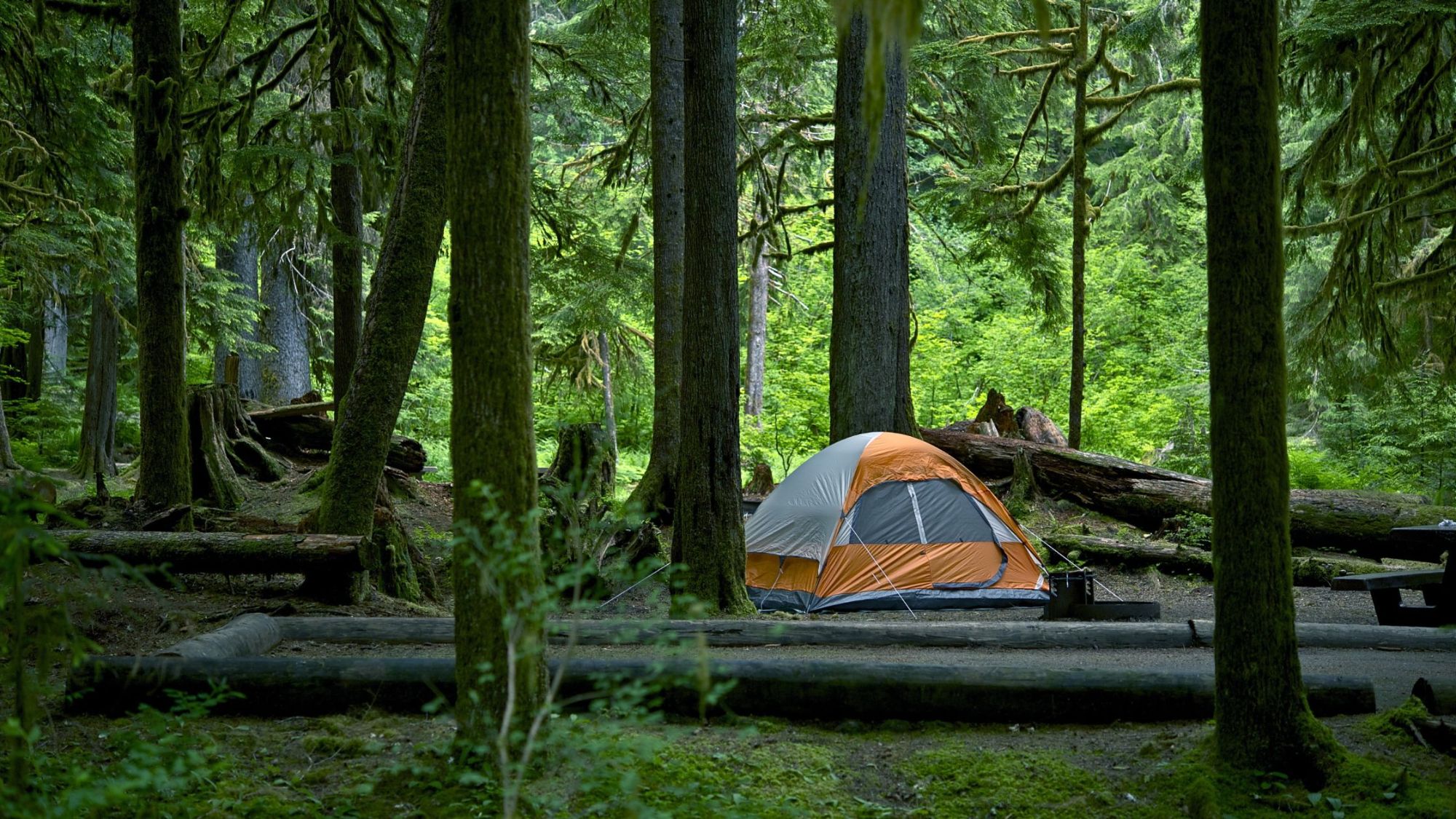
Here's the truth a lot of camping guides gloss over: you cannot assume you'll be able to have a campfire this summer, even at a developed campground with a metal fire ring. Restrictions change week to week depending on drought conditions, wind, and how dry the fuels are in a given forest or county.
Are Campfire Restrictions the Same at Every Washington Campground?
- Never assume a campfire is allowed, even in an established fire pit. Many national forests and state parks move to "no wood fires" restrictions well before a full burn ban is announced.
- Propane isn't automatically exempt. A lot of campers assume a propane fire pit or stove is always fine because it doesn't throw sparks the way wood does - and it's usually the safer, more permitted option - but "usually" isn't "always." Some agencies restrict propane appliances too at the highest fire danger levels.
- Camp stoves with a shutoff valve are typically the safest bet when a full burn ban is in place, but confirm locally before you rely on it.
- Fireworks and open smoking are commonly restricted under the same conditions that trigger a campfire ban.
How Do You Check Current Fire Conditions Before a Camping Trip?
Don't rely on last year's blog post - mine included - or a Facebook group for current fire status. Use these instead, every time you plan a trip:
I don't take fire season lightly - I live it every summer in Clark County. I wrote more about why this matters, including how a wildfire actually unfolded near my own property, in Wildfire Season in Vancouver, Washington, and I go deep on defensible space, evacuation levels, and the propane alternative for campers in my 2026 wildfire safety guide. Worth a read either way, whether you're protecting a home or just planning a weekend trip.
What Is Dispersed Camping, and Is It Legal in Washington?
If developed campgrounds feel too crowded - or too booked up - backcountry and dispersed camping is Washington's best-kept secret. But it comes with its own set of rules that trip up a lot of first-timers.
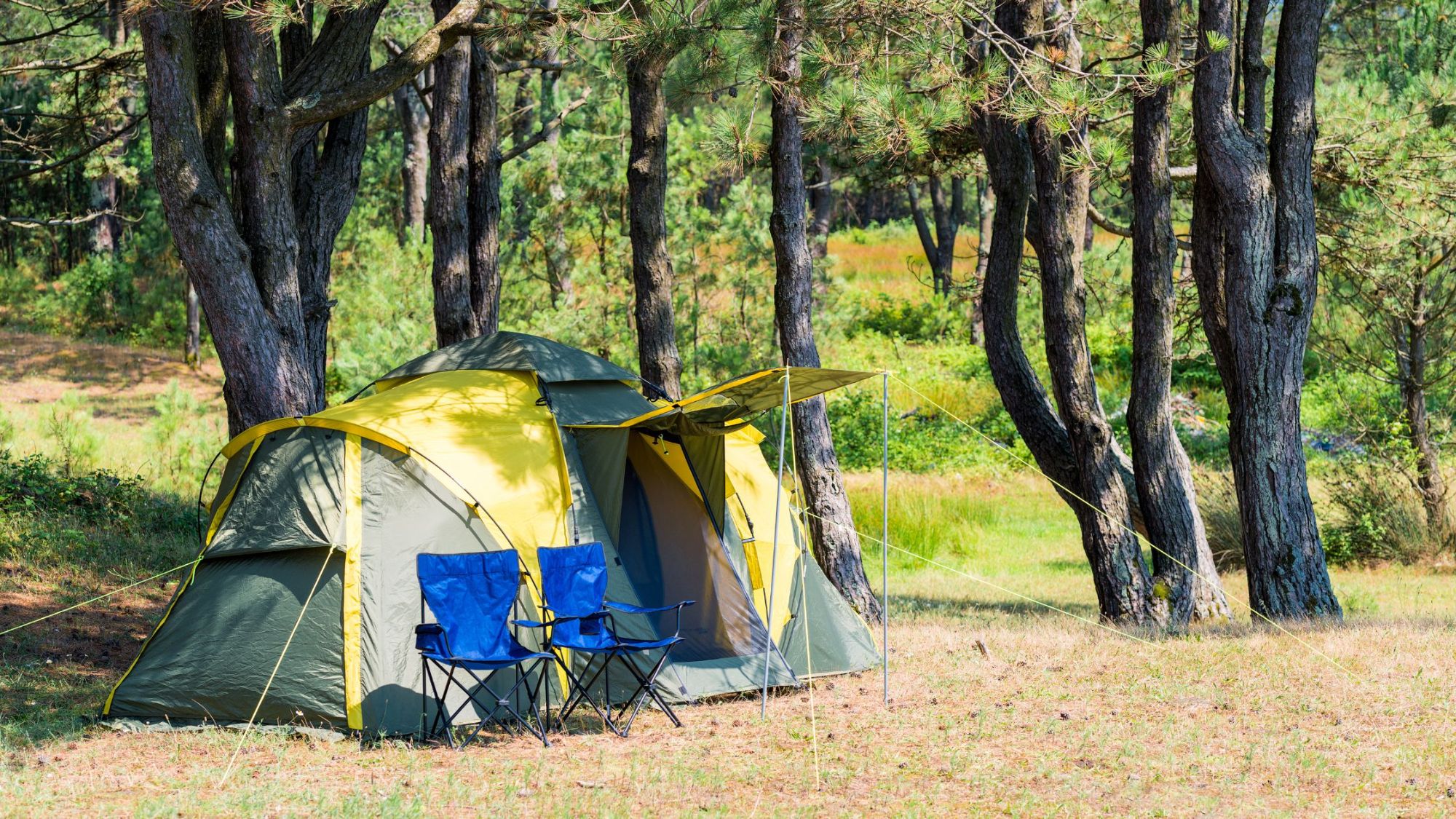
"Dispersed camping" generally means camping outside a designated campground, on public land, at no cost - most commonly in national forests. "Backcountry camping" usually refers to hike-in or more remote camping, often inside a national park or wilderness area, and it almost always requires a permit even though there's no fee for the site itself.
Do You Need a Permit or Pass for Backcountry Camping in Washington?
- Know whose land you're on. National forest land generally allows dispersed camping unless posted otherwise. National parks and state parks do not - you need a permit and a designated site. Private land requires permission, full stop.
- You may need a pass just to park. A Northwest Forest Pass is required at many trailheads and day-use sites in Washington and Oregon national forests, and a Discover Pass is required to park at Washington state park and DNR-managed lands - even when the camping itself is free.
- Backcountry permits are often separate from your parking pass. Places like the Enchantments, North Cascades National Park, and Olympic National Park's wilderness zones require their own permits, and some are quota-based, needing reservation months in advance.
- Check road and trail conditions, not just fire status, using the same USFS visitor map - snowpack and washed-out forest roads can close dispersed camping areas well into summer at higher elevations.
What Are the Best Apps for Finding Free Camping Spots?
Figuring out where dispersed camping is actually allowed used to mean a lot of guesswork and blindly following pins on a map. A few tools make this a lot easier now:
- Land-ownership and public-land overlay apps (like OnX Offroad, the US Public Lands App, or Regrid) let you confirm you're actually on public land before you commit to a spot - this is the step people skip most often, and the one that keeps you from accidentally camping on private property or getting asked to leave.
- Crowd-sourced camping apps (like iOverlander and FreeCampsites.net) show where other campers have found free or low-cost spots, with notes on road conditions and cell service. Great for identifying a general area worth exploring, though popular pins can get crowded fast near national parks.
- Topo and trail-focused mapping apps (like Gaia GPS) are useful if you're combining dispersed camping with a longer hike or need offline navigation once you lose signal.
What Are the Newest Campgrounds to Try in Washington This Year?
⛺ Deception Pass State Park - Whidbey Island
One of the most photographed spots in the state for a reason - the bridge views over Deception Pass are stunning, and the park has both forested and beach-adjacent sites. Over 300 campsites means it rarely feels impossible to find a spot, though summer weekends still book out months ahead on Washington State Parks' reservation site.
Best for: First-time visitors, families, anyone who wants coastal views without the drive to the outer coast.
⛺ Lake Wenatchee State Park - Chelan County
A true four-season destination on the east side of the Cascades, with two campground areas split by the lake. Drier, sunnier weather than the west side makes it a solid backup plan when coastal or Cascade campgrounds are socked in with rain - though it also means fire restrictions here tend to kick in earlier in summer, so check conditions closely.
Best for: Boating, fishing, mountain biking on nearby trails, and anyone chasing sunshine.
⛺ Moran State Park - Orcas Island
Camping on Orcas Island means a ferry ride is part of the trip, but Moran State Park delivers with old-growth forest, five lakes, and a summit drive up Mount Constitution with 360-degree San Juan Islands views. Reservations are essential - this one fills up fast every summer.
Best for: A true getaway feel, hiking, freshwater swimming, and travelers willing to plan a bit further ahead.
⛺ Iron Creek Campground - Near Mount St. Helens
Tucked along the Cispus River in Gifford Pinchot National Forest, Iron Creek is a good basecamp for exploring the Mount St. Helens area, including Ape Cave and the Windy Ridge viewpoint. Large old-growth trees provide shade most riverside spots don't have.
Best for: Groups, RVs, and anyone splitting their trip between the volcano and the river.
⛺ Steamboat Rock State Park - Grand Coulee
If you want real solitude and dark skies, head east. Steamboat Rock sits on Banks Lake in the middle of the dramatic Grand Coulee landscape - basalt cliffs, open desert terrain, and a completely different Washington than the green, forested west side. It's a long drive from Vancouver or Portland, but it's a genuinely different experience.
Best for: Stargazers, boaters, solitude-seekers, and anyone who's "done" the Cascades for a while.
What Are the Best Hidden Camping Gems in Washington?
A few reminders from last year's list that are still worth the trip, especially if you're staying closer to home in Southwest Washington:
- Lewis River Campgrounds (Gifford Pinchot National Forest) - riverside sites, waterfall hikes, primitive but peaceful.
- Panther Creek Campground (near Carson) - right on the Pacific Crest Trail, no cell service, real quiet.
- Sunset Falls Campground (near Yacolt) - a waterfall inside the campground itself, open year-round.
- Battle Ground Lake State Park - a spring-fed volcanic lake just 30 minutes from downtown Vancouver, great for a last-minute weekend.
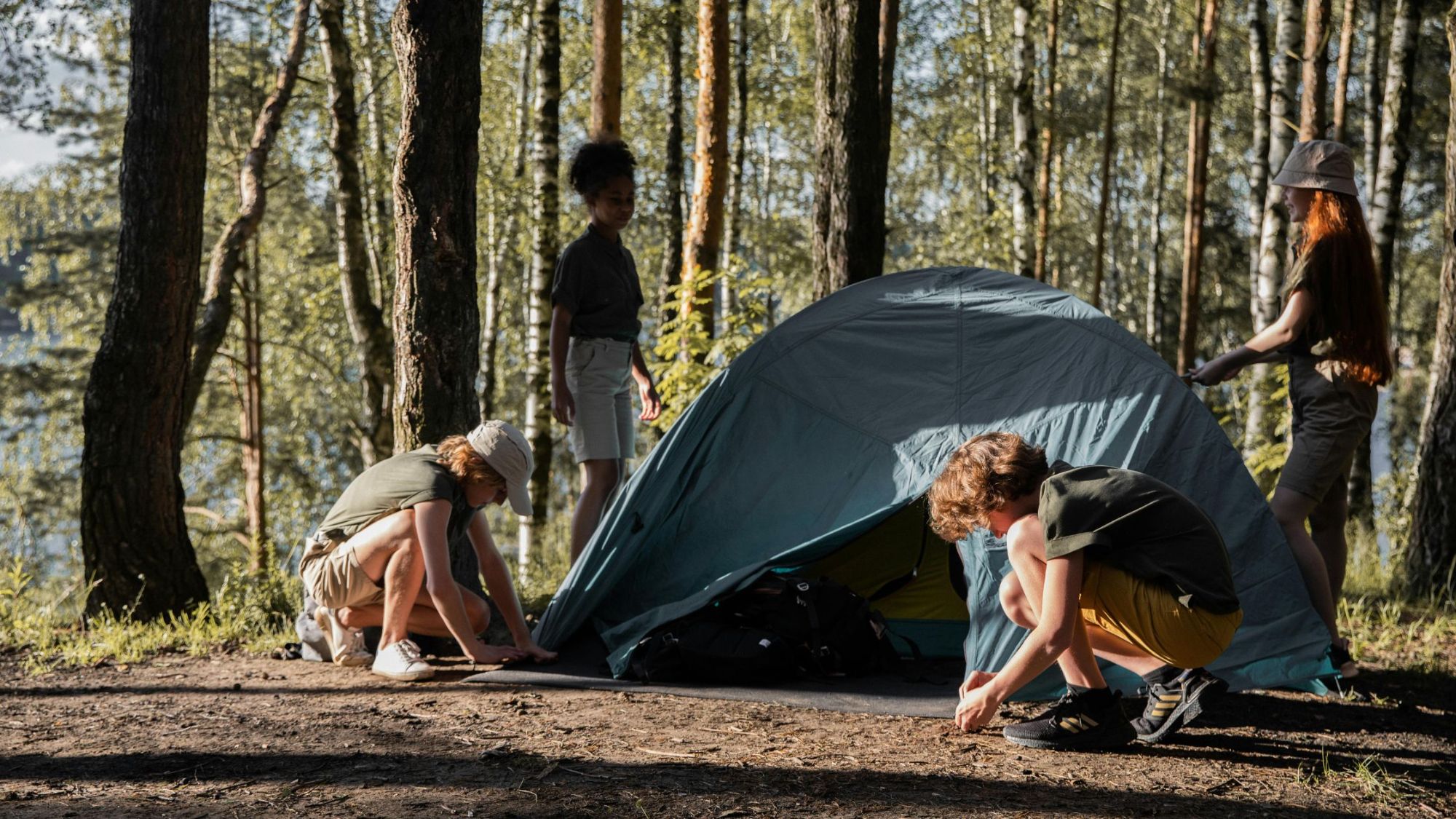
Several of these spots sit close to Ridgefield, one of the fastest-growing suburbs in Clark County and home to its own wildlife refuge - worth a look if easy weekend access to spots like these is on your wish list for a future home.
How Do You Choose the Best Campground for Your Trip?
With this many options, the real question isn't "what's the best campground in Washington" - it's "what's the best campground for what you actually want to do." A few ways to narrow it down:
- Camping with kids? Look for flush toilets, showers, and a swim beach or shallow water access - Battle Ground Lake, Deception Pass, and Cape Disappointment all fit that bill.
- Want to fall asleep to moving water? Prioritize river campgrounds like Lewis River or Iron Creek over lake campgrounds - the sound and the swimming holes are different experiences.
- Planning to fish, paddle, or swim? Lake campgrounds like Lake Wenatchee, Battle Ground Lake, or Trillium Lake (just over the Oregon line, from last year's guide) are built around the water, not just near it.
- Bringing mountain bikes? Look for national forest campgrounds near existing trail systems - the Mount St. Helens area near Iron Creek has solid options, and it's worth checking trail conditions on the USFS map before you load up the bikes.
- Craving actual solitude? Skip the big-name parks entirely and either go dispersed or backcountry, or head east to somewhere like Steamboat Rock, which sees a fraction of the west-side crowds.
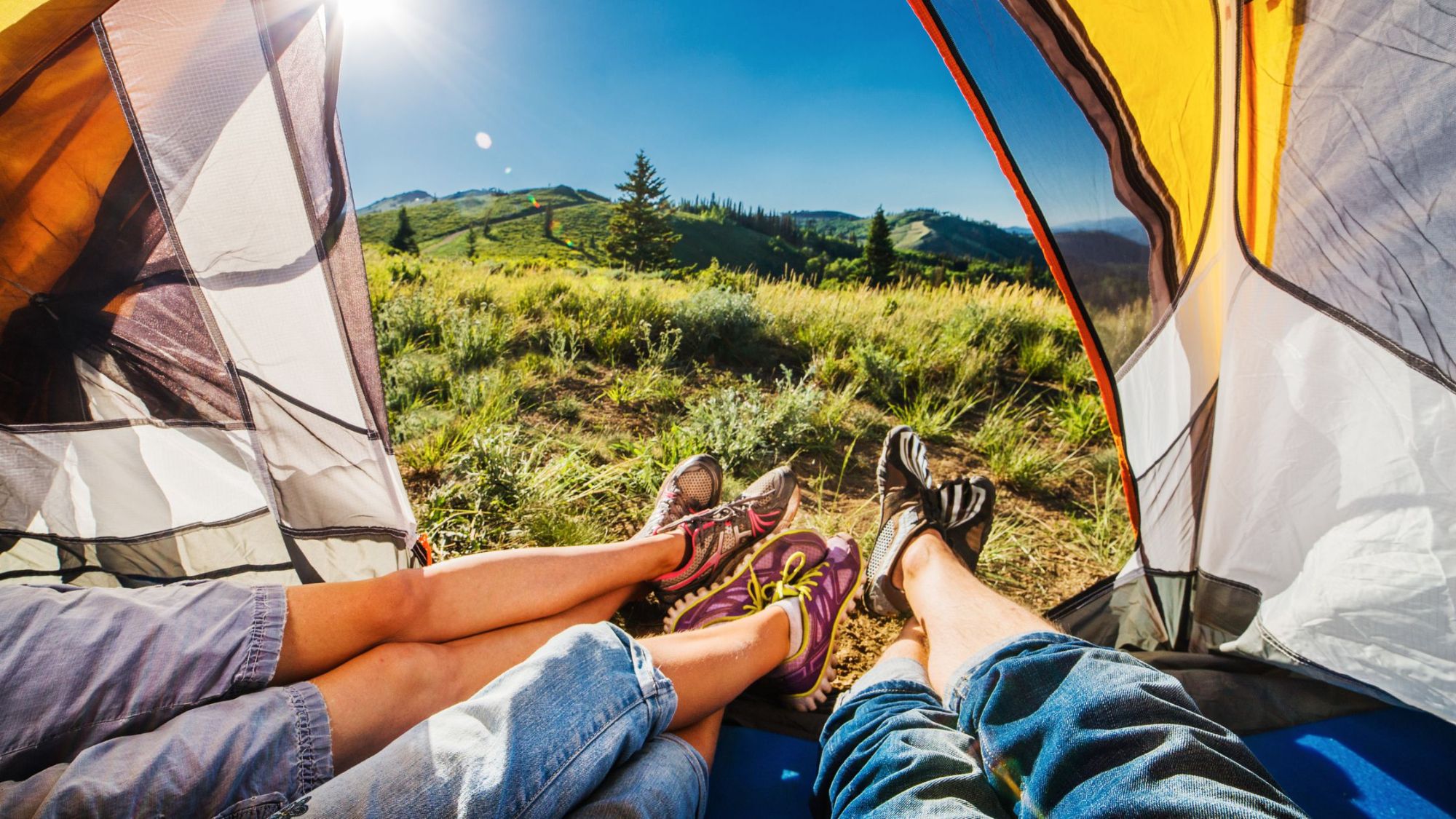
Funny enough, picking the right campground and picking the right home come down to the same exercise - matching a place to what you actually want your day-to-day to look like. I walk through that same process for house hunting in Location IS Everything: How to Choose Your Dream Home Location in Vancouver and Portland.
Which Washington Campgrounds Require Reservations?
| Campground | Region | Reservation Needed? | Good For |
|---|---|---|---|
| Deception Pass State Park | Whidbey Island | Yes, book early | Families, coastal views |
| Lake Wenatchee State Park | Chelan County | Yes | Boating, sunshine, biking |
| Moran State Park | Orcas Island | Yes, essential | Solitude, hiking, island getaway |
| Iron Creek Campground | Mount St. Helens area | Partially FCFS / reservable | Groups, RVs, river access |
| Steamboat Rock State Park | Grand Coulee | Recommended | Solitude, stargazing, boating |
| Lewis River Campgrounds | Gifford Pinchot NF | Mixed FCFS / reservable | Waterfalls, quiet, primitive |
| Panther Creek Campground | Carson, WA | Seasonal FCFS window | PCT access, disconnecting |
| Sunset Falls Campground | Yacolt, WA | Seasonal FCFS window | Waterfall views, year-round |
| Battle Ground Lake State Park | Clark County | Yes, book ahead | Families, last-minute trips |
| Mount Rainier (Cougar Rock / Ohanapecosh) | Mount Rainier NP | Yes, months ahead | Hiking, iconic views |
| Cape Disappointment State Park | SW WA Coast | Yes, especially summer | Coastal camping, families |
| Beacon Rock State Park | Columbia River Gorge | Yes, limited sites | Gorge views, weekend trips |
Thinking About Life Outside the City?
If easy weekend access to spots like these has you thinking more seriously about where you live, these guides are a good next stop:
Washington Camping 2026 - Common Questions Answered
Can I have a campfire while camping in Washington right now?
Are propane fire pits and stoves always allowed during a burn ban?
Do I need a pass or permit for dispersed camping in Washington?
What's the difference between dispersed camping and backcountry camping?
What apps help find legal dispersed camping spots?
Do most Washington campgrounds require reservations?
Ready to Plan Your Next Washington Camping Trip?
Whatever you're chasing this summer - a lakeside weekend with the kids, a quiet backcountry trip off the grid, or just a break from the smoke and the crowds - check conditions before you go. And if a weekend at Lake Wenatchee or Deception Pass has you thinking more seriously about life outside the city, that's exactly the kind of conversation I love having.
Let's Talk Join My NewsletterCategories
Recent Posts



GET MORE INFORMATION

Cassandra Marks
Realtor, Licensed in OR & WA License ID: 201225764
Realtor, Licensed in OR & WA License ID: 201225764