
Wildfire Safety in Clark County WA (2026 Guide) | Vancouver WA Home Protection Tips
Wildfire Safety in Clark County WA (2026): Is Your Home Ready?
Mowing risks, parking dangers, and the 30-foot rule — how to protect your property and community this season
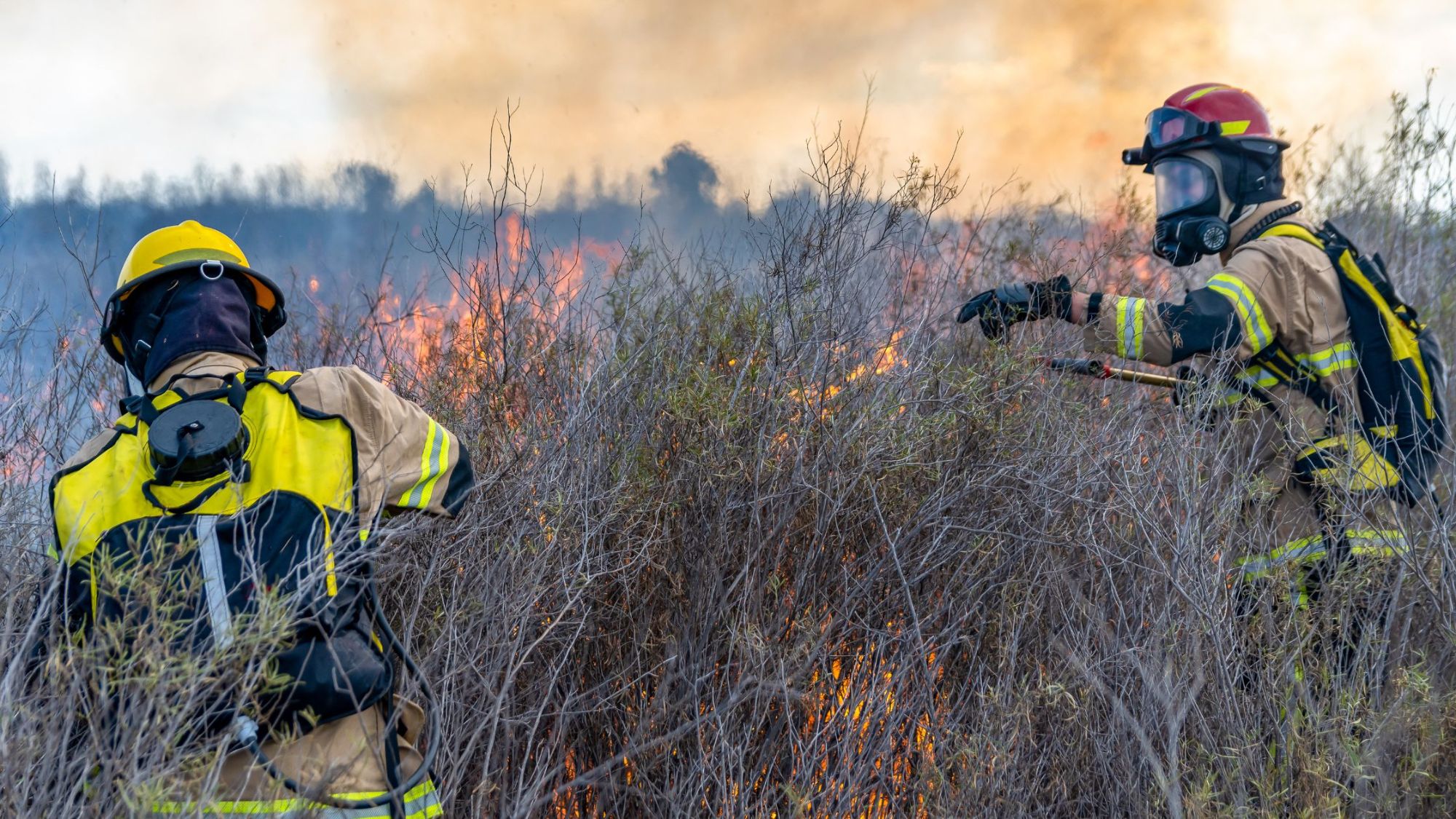
Wildfire safety in Clark County is a critical priority for every homeowner, especially as we move into the hot, dry summer months. Whether you're already living in the area or moving to Vancouver WA, understanding local fire risks is essential. Many common activities — from mowing your lawn to parking your car — can inadvertently spark a fire that threatens your home and the wider community.
Quick answer: To protect your Clark County home, focus on three pillars: Defensible Space (a 30-foot clear zone ), Spark Prevention (avoid mowing on hot/dry days or parking on dry grass), and Burn Ban Compliance (always check the SWCAA Interactive Burn Map). Proactive measures like switching to a propane fire pit for camping can significantly reduce your fire risk while still enjoying the PNW outdoors.
As a local real estate expert and someone who raises chickens right here in Clark County, I've seen firsthand how quickly conditions can change. This guide isn't just about general safety; it's about the specific tradeoffs and regulations we face in Southwest Washington. Let's make sure your property is a safe haven, not a hazard.
💡 Local tip: Wildfire preparedness is a key part of responsible homeownership in our region. If you're exploring the area, check out my guide on Portland vs. Vancouver WA home prices to see how lifestyle and safety factors influence the local market.
The Hidden Dangers: Mowers, Cars, and Fireworks
Many wildfires aren't started by lightning; they're started by everyday actions that create unintended sparks. In Clark County, where dry winds can quickly whip a small flame into a major fire, these risks are amplified.
Mowing Your Lawn: A High-Risk Activity
Mowing on a hot, dry afternoon is a major fire hazard. A single rock hitting a metal blade can create a spark that ignites dry grass instantly. The Strategy: Only mow before 10 AM when the grass is damp with dew, and never mow during high winds or extreme heat.
Parking on Dry Grass
Your vehicle's exhaust system can reach temperatures over 1,000 degrees. Parking on tall, dry grass can ignite a fire in seconds. Always stick to paved or gravel surfaces during the summer months.
⚠️ Fireworks Warning: Fireworks are often restricted or banned in Clark County during peak fire season. Always obey local ordinances to avoid massive fines and community risk. Check Clark County's official safety page for updates.
Clark County Burn Bans: Know the 2026 Rules
Burn bans are legally enforced by the Clark County Fire Marshal and the Southwest Clean Air Agency (SWCAA ). Adherence is not optional.
Urban & Southern Zones
Residential and land-clearing burning are permanently banned in the Southern Clark County no-burn area and urban growth areas including Vancouver, Camas, and Washougal.
Rural Clark County
Burning is limited to natural vegetation. A free permit is required for small fires (up to 10x10x6). Larger piles require a written permit from the Fire Marshal.
💡 Action Step: Before lighting any fire, check the SWCAA Interactive Burn Map. It's the only way to be 100% sure you're compliant with daily air quality and fire safety rules.
Camping & Campfires: The Propane Solution
Traditional wood campfires are one of the biggest challenges during wildfire season — because let’s be honest, camping and campfires go hand in hand. Cooking, warmth, and the whole experience usually revolve around that fire. But during peak summer months in the Pacific Northwest, many campgrounds and recreation areas move to strict fire restrictions or full bans.
⚠️ Important: During high-risk periods, wood-burning campfires are often completely banned — even in designated campground fire rings. Always check the rules for your specific campground before you go.
This is where a lot of campers get caught off guard. No campfire means no easy way to cook, stay warm, or enjoy that classic camping setup. That’s exactly why many experienced campers have shifted to propane.
The Propane Solution: A portable propane fire pit or camp stove is often allowed even during fire bans because it creates no sparks and can be shut off instantly. It’s one of the safest ways to keep cooking and still enjoy a flame during restricted conditions.
We learned this firsthand on a trip to Glacier National Park. We didn’t have propane at the time, but noticed other campers using it while we couldn’t have a fire. At one point, someone nearby even called out thinking we had a campfire going — until we showed it was propane. Even campground staff checked, and once they confirmed it was propane, we were good to go.
Since then, we always bring a propane setup with us. It’s become a staple for camping anywhere in the PNW.
Just keep expectations realistic: propane flames are great for cooking and ambiance, but they don’t put off nearly the same heat as a traditional wood fire. Think of it as a safe substitute, not a full replacement.
💡 Pro Tip: Always check with your campground or ranger station before your trip. Some locations allow propane fire pits during bans, while others may still restrict them depending on conditions.
Creating Defensible Space: Your 30-Foot Shield
Defensible space is a buffer zone where vegetation is managed to reduce fire risk. This gives firefighters a chance to defend your home effectively.
Your Defensible Space Checklist
Protecting your home zone by zone
Homeowners Insurance & Emergency Preparedness: Insider Tips
You may or may not need specific wildfire insurance depending on where you live — a home in Vancouver proper faces very different risk than a rural property out toward the foothills. But regardless of your location, what happens after a disaster often comes down to how prepared you were before it. My husband has spent significant time working in natural disaster insurance response, including on the ground after the 2018 Camp Fire in Paradise, California — and what he saw there shaped everything on this list.
📹 Video Inventory: Your Most Important 30 Minutes
Walk through your entire home with your phone and record everything — and we mean everything. Open cabinet doors and film inside. Open dresser drawers. Show the contents of your closets, your garage shelves, your utility room. This video inventory is what allows you to make a complete and accurate insurance claim if you lose everything. Without it, most people drastically underestimate the value of what they owned.
⚠️ Critical: Don't save your inventory video only to your computer or a USB drive. If your house burns, those go with it. Upload your video to Google Drive, iCloud, or another cloud service immediately so you can access it from any device, anywhere — even if you evacuate with nothing but your phone.
The best time to do this? Right after the new year, once the holidays are done and your home reflects its full contents. Make it an annual tradition.
📐 Blueprints & Important Documents
If you have blueprints or architectural plans for your home, keep a digital copy in cloud storage. For physical copies of important documents — deeds, insurance policies, birth certificates — a fireproof safe is a reasonable backup, but come with an important caveat: after working in Paradise following the 2018 wildfire, my husband witnessed firsthand how few of those safes survived. In many cases, the only things left standing were the concrete perimeter of the home and the chimney. A fireproof safe is rated to a certain temperature — and a wildfire can exceed it. Cloud storage is your most reliable option.
🎒 Know the Three Stages of Evacuation
If you live in a higher-risk or rural area, understanding how evacuations work could save your life. Clark County uses a three-stage system:
Level 1: Get Ready
A fire is in the area. This is the time to pack your go bag, fuel up your car, and confirm your family's plan — where you'll meet if you get separated, who picks up the kids, what route you'll take. Don't wait until Level 2 to start thinking about this.
Level 2: Get Set
The fire is approaching. Your go bag should be in the car, your documents should be in hand, and you should be ready to leave within minutes. Do not wait to see how close the fire gets.
Level 3: Go
Leave immediately. You may have less than 10 minutes. In some fast-moving fire situations, you may not receive a formal warning at all — do not wait for one. Your life is worth more than anything in that house.
💡 Family Communication Plan: In a wildfire evacuation, cell service may be unavailable. Decide in advance where your family will meet if you can't reach each other by phone. Choose a location outside your immediate neighborhood that everyone knows and can find independently.
📱 Set Up Wildfire Alerts on Your Phone
Two apps are worth downloading right now:
Recommended Alert Apps
Stay informed when every minute matters
Go Bag Essentials: Water and food for 72 hours, medications, copies of important documents (ID, insurance, deed), phone charger, cash, a change of clothes, and anything irreplaceable like photos. Keep it packed during fire season.
Looking for a Safe Haven in Clark County?
Whether you're buying a home with defensible space or selling your property, I provide the local, data-driven guidance you need. No pressure. Just honest answers.
Let's Talk About Your Move Browse Clark County HomesCategories
Recent Posts









GET MORE INFORMATION

Cassandra Marks
Realtor, Licensed in OR & WA License ID: 201225764
Realtor, Licensed in OR & WA License ID: 201225764