
Winter Solstice 2026 in Vancouver, WA: The Shortest Day, the Earliest Sunset & When the Days Get Longer
Clocks fall back this Sunday, November 1, and the winter solstice arrives Monday, December 21, 2026, when Vancouver gets less than 8 hours and 45 minutes of daylight. Here’s what the time change does to our evenings, exactly when the light comes back, why the earliest sunset isn’t on the solstice, and how to make the most of the darkest weeks of the year.
If you’ve lived in Vancouver for even one winter, you know the feeling. You leave for work in the dark, you come home in the dark, and by mid-December you start wondering if the sun has quietly moved to Arizona without telling anyone.
And the first big step into the dark is this weekend. On Sunday, November 1, Daylight Saving Time ends and we “fall back” an hour. Saturday’s sunset is around 6:01 PM. Sunday’s is around 5:00 PM. From there, the evenings keep shrinking a minute or two a day all the way to the solstice.
But here’s the good news: the turnaround is closer than you think. Let’s start with the time change, then follow the light all the way down to the shortest day of the year, and back up again, with real numbers for Vancouver and my favorite ways to celebrate the darkest week of the year.
Fall Back 2026: Clocks Change Sunday, November 1
Daylight Saving Time ends on Sunday, November 1, 2026 at 2:00 AM, when clocks roll back to 1:00 AM. Your phone will handle it automatically. Don’t forget the microwave, the oven, and the car.
The upside: an extra hour of sleep and brighter mornings, at least for a little while. The downside: sunset jumps from about 6:01 PM on Saturday to about 5:00 PM on Sunday. That first week of 5 PM darkness is when a lot of us really feel winter arrive.
Where it goes from here: After the time change, sunset keeps slipping earlier until it bottoms out around 4:27 PM in early to mid-December. The bright mornings fade too, and sunrise drifts back toward 7:50 AM by the solstice. That’s why the stretch from Fall Back to the winter solstice feels like the long slide into the dark. And it’s why December 21 is worth celebrating.
What Happens on the Winter Solstice in Vancouver, WA?
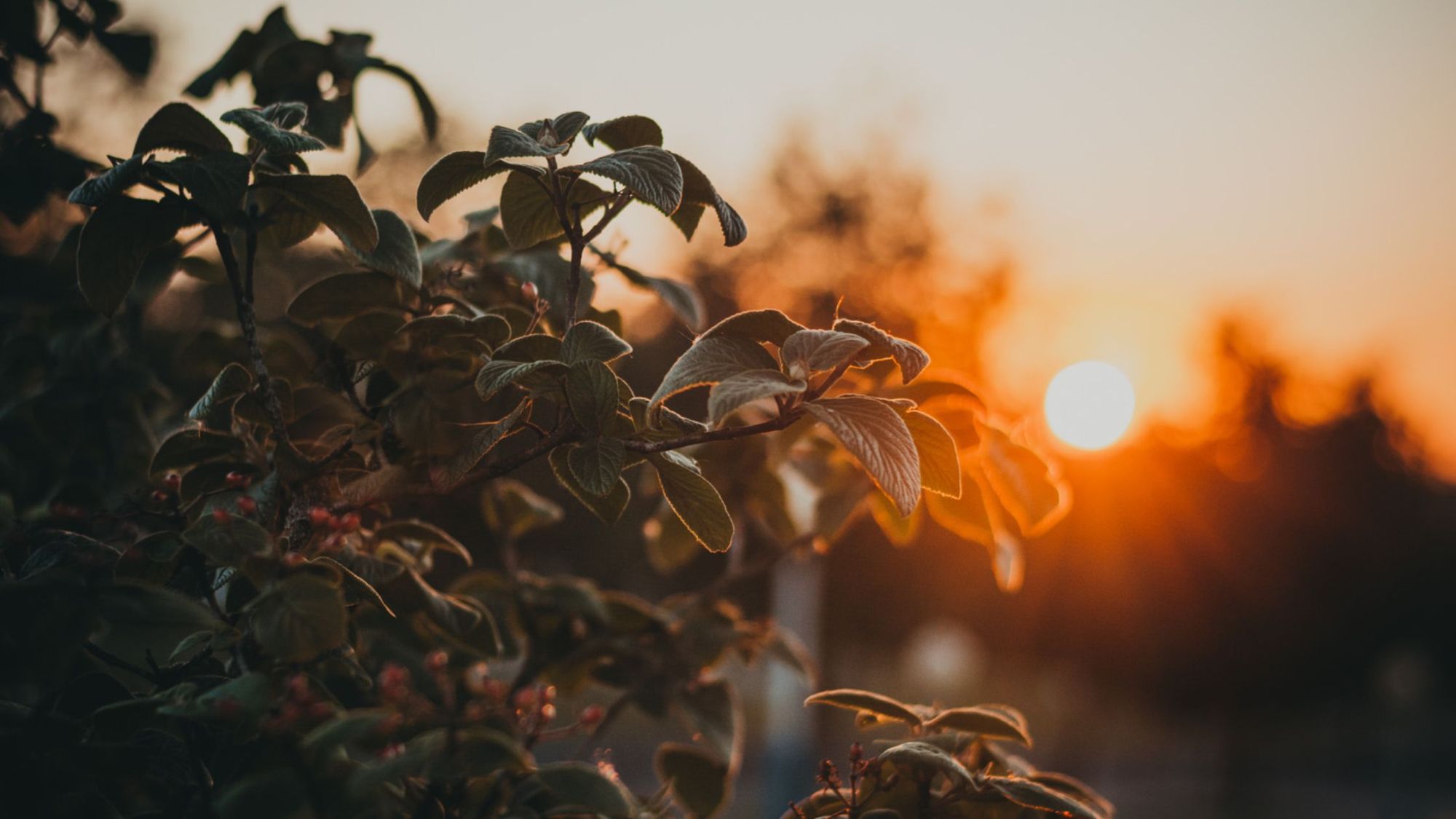
Seven weeks after we fall back, we hit the bottom. The winter solstice is the moment the Northern Hemisphere is tilted farthest from the sun. In 2026, it happens on Monday, December 21 at 12:50 PM Pacific Standard Time. That makes December 21 the shortest day and longest night of the year.
In Vancouver, the sun rises around 7:48 AM and sets around 4:29 PM on the solstice, for about 8 hours and 41 minutes of daylight. Compare that with about 15 hours and 42 minutes at the summer solstice in June. That’s a swing of roughly 7 hours, which explains a lot about why Pacific Northwesterners act so giddy every June.
The days right around the solstice barely change, only a few seconds at a time, which is why the week before Christmas feels like one long, dim afternoon. But after the solstice, the gains start adding up, slowly at first and then faster by late January.
Why the Earliest Sunset Isn’t on the Shortest Day
Here’s a fun fact most people don’t know: in Vancouver, the earliest sunset of the year is about 4:27 PM, and it happens from roughly December 4 to December 15, a week or two before the solstice. Meanwhile, the latest sunrise, about 7:51 AM, doesn’t arrive until late December and early January, after the solstice.
Why? Earth’s orbit is slightly oval, and its axis is tilted, so “solar noon” (when the sun is highest in the sky) drifts a little later each day in December. That shifts both sunrise and sunset later on the clock. The day is still getting shorter until December 21, but the whole window of daylight is sliding toward the evening.
What it means for you: By the time the solstice arrives, your evenings are already a little brighter than they were in early December. Mornings keep getting darker until early January, then they finally start catching up. If you’re an evening person, the worst is behind you sooner than you think.
How Fast the Light Comes Back: November to March in Vancouver, WA
Approximate times for Vancouver, WA. Times may vary by a minute or two depending on your exact location and the horizon.
| Date | Sunrise | Sunset | Daylight |
|---|---|---|---|
| November 1, 2026: Clocks fall back 🕐 | ~6:50 AM | ~5:00 PM | ~10 hrs 10 min |
| December 1, 2026 | ~7:31 AM | ~4:28 PM | ~8 hrs 57 min |
| December 10 (earliest sunsets) | ~7:40 AM | ~4:27 PM | ~8 hrs 46 min |
| December 21: Winter solstice 🌑 | ~7:48 AM | ~4:29 PM | ~8 hrs 41 min |
| December 31 | ~7:51 AM | ~4:37 PM | ~8 hrs 45 min |
| January 5, 2027 (latest sunrises) | ~7:51 AM | ~4:41 PM | ~8 hrs 50 min |
| January 15 | ~7:47 AM | ~4:53 PM | ~9 hrs 6 min |
| January 31 | ~7:33 AM | ~5:16 PM | ~9 hrs 42 min |
| February 14 | ~7:14 AM | ~5:36 PM | ~10 hrs 22 min |
| February 28 | ~6:51 AM | ~5:56 PM | ~11 hrs 5 min |
| March 14: Daylight Saving Time begins ☀️ | ~7:25 AM | ~7:15 PM | ~11 hrs 50 min |
From Fall Back to the solstice, Vancouver loses about an hour and a half of daylight. Then the trend flips. From the solstice to Valentine’s Day, we gain more than an hour and a half back, and sunset moves from about 4:29 PM to about 5:36 PM. By the end of February, the sun is setting close to 6 PM again. Then on March 14, 2027, Daylight Saving Time kicks in and sunset jumps past 7 PM overnight. My March daylight guide has everything you need for that glorious stretch.
Things to Do on the Winter Solstice in Vancouver, WA
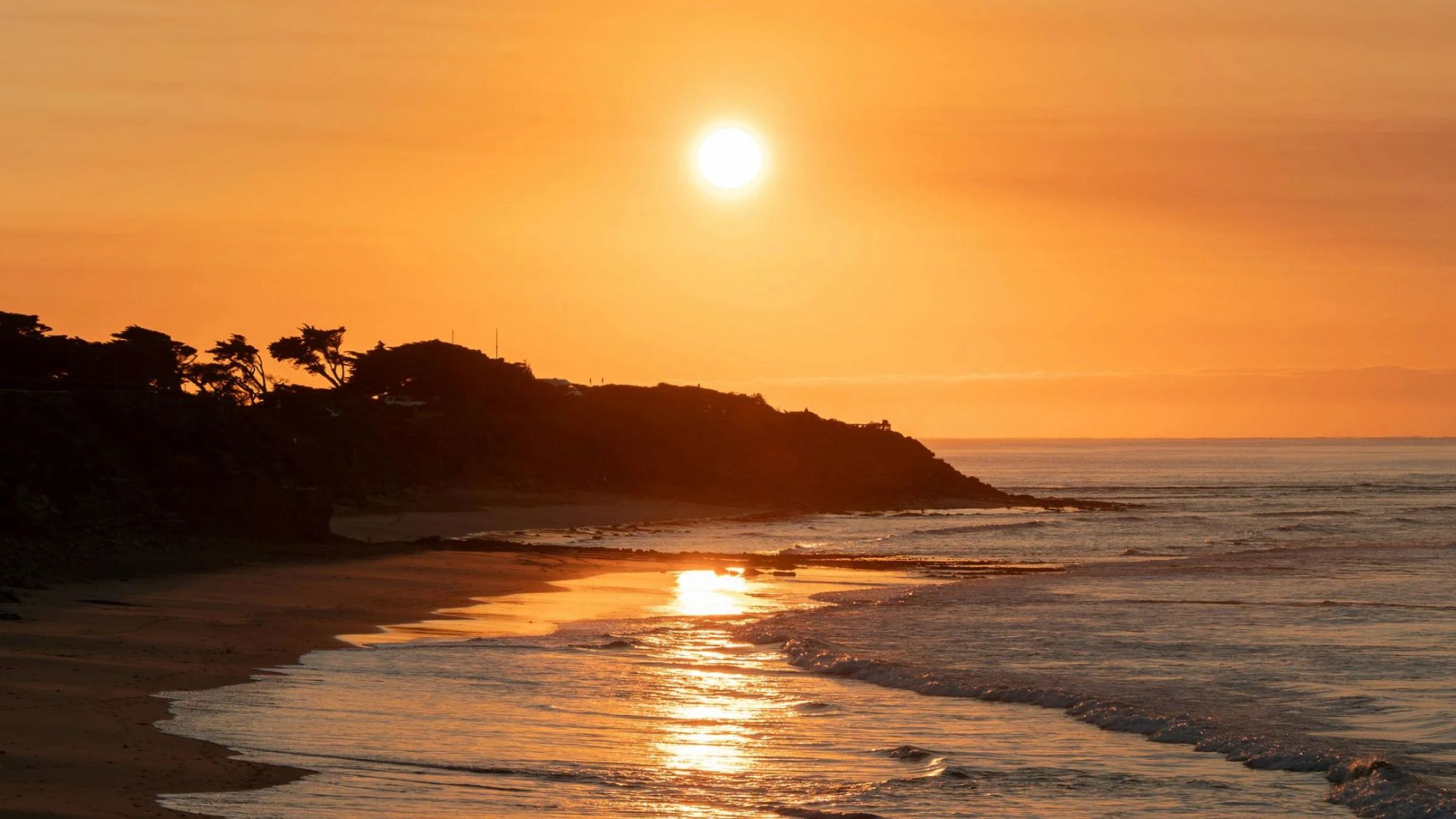
People have celebrated the return of the light for thousands of years. Here are a few local ways to mark the shortest day.
- 🌅 Catch an easy sunrise: With sunrise around 7:48 AM, this is the one week of the year you can watch the sun come up without a brutal alarm. Bundle up and head to Wintler Community Park or the Columbia River Renaissance Trail with a thermos of coffee.
- 🌇 Take a 4:30 PM sunset walk: Stroll Vancouver Waterfront Park and the Grant Street Pier as the sun goes down, then duck into a waterfront restaurant or tasting room to warm up. My guide to downtown Vancouver’s wine scene has great options.
- 🎄 Go see the holiday lights: The longest night of the year is the perfect excuse to tour neighborhood light displays and holiday events. Check my holiday activities guide for Vancouver and Portland and my weekly event roundups on the blog.
- 🔭 Stargaze on the longest night: Clear December nights are rare here, but when you get one, you get hours of darkness to enjoy it. The Geminid meteor shower also peaks in mid-December each year. Get away from city lights for the best view.
- 🕯️ Host a solstice dinner: Light every candle you own, make a big pot of soup, and invite the neighbors. Need inspiration? Try my cozy Dutch oven recipes or find the best soup in Vancouver.
- 🏔️ Chase the snow: If you’d rather embrace winter than hide from it, Mt. Hood and Mt. St. Helens are both within reach. See my guide to snow and mountain activities near Vancouver.
Getting Through the Dark Days in Vancouver
Short, gray days are real here, and lots of locals feel them, especially in the first week or two after we fall back. A few things that genuinely help:
- Get outside at midday: Even on cloudy days, a lunchtime walk gets you more natural light than you’ll get indoors.
- Brighten your home: Swap in brighter, warmer bulbs, open the blinds, and consider a light therapy lamp. I wrote about light lamps for the dark and rainy season.
- Make plans on purpose: Put fun on the calendar so the dark doesn’t keep you home. My rainy day things to do and rainy day date night ideas are full of indoor ideas.
- Remember it’s temporary: Every day after December 21 gets a little longer. Count the minutes if it helps.
For my full playbook, read the Vancouver, WA winter darkness survival guide. And if the winter blues feel heavier than usual, it’s worth talking with your doctor. You don’t have to just push through it.
House Hunting in the Darkest Month? Here’s What to Know
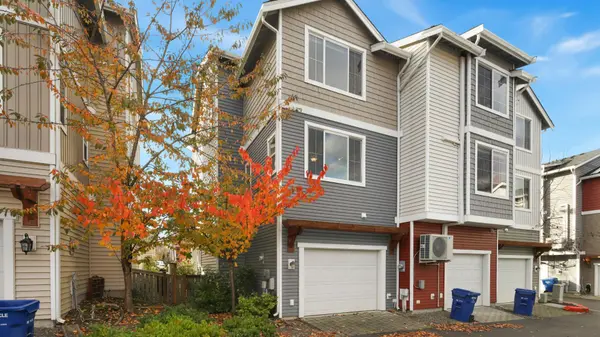
Buying in winter has real perks, including less competition and motivated sellers (here’s why winter home buying in Vancouver is a smart move). But once the clocks fall back and sunset slides toward 4:30 PM, you need a slightly different game plan.
- Schedule showings midday: Seeing a home between about 10 AM and 2 PM gives you the best sense of its natural light.
- Pay attention to window direction: South-facing windows get the most winter sun in our part of the world. If natural light matters to you, it’s worth asking which way the main living spaces face.
- Visit after dark, too: Drive by in the evening to check street lighting, porch lights, and how the neighborhood feels at 5 PM in December.
- Watch the drainage: Winter rain shows you how a yard and gutters really handle water. That’s useful information you can’t get in August. Here’s my winter home checklist for the Pacific Northwest.
More Guides for Winter in Vancouver, WA
Fall Back & Winter Solstice in Vancouver, WA: Common Questions
When do clocks fall back in 2026?
When is the winter solstice in 2026?
How much daylight does Vancouver, WA get on the winter solstice?
When do the days start getting longer in Vancouver, WA?
What is the earliest sunset in Vancouver, WA?
What is the latest sunrise in Vancouver, WA?
When does Daylight Saving Time start in 2027?
The Light Always Comes Back ☀️
Dark Decembers are the price of glorious Pacific Northwest summers, and most of us think it’s worth it. If you’re thinking about making Vancouver home, let’s talk about the neighborhood that fits you in every season.
Book a Free Discovery Session Moving to Vancouver Guide Join My Newsletter
Categories
Recent Posts


GET MORE INFORMATION
Cassandra Marks
Realtor, Licensed in OR & WA License ID: 201225764
Realtor, Licensed in OR & WA License ID: 201225764