
Does New Construction Hold Its Value? | Realtor Cas
Does New Construction Hold Its Resale Value as Well as People Think?
Usually, over time. But the first few years are where it gets complicated, and where most of the avoidable mistakes happen.
Does new construction hold its resale value? Over the long run, usually yes, because land and location drive appreciation more than the age of the house. In the first few years it's less certain: part of what you pay for a new home is a newness premium, and that premium can soften once the home is no longer new. The owners most exposed are the ones who sell early, especially while the builder is still selling similar homes next door with incentives a resale seller can't match. Plan on holding about five years or more, pick the location carefully, and keep good records.
When clients ask me whether a new build will "hold its value," they usually mean one of two things: will I lose money if I have to sell soon, and will this house be worth more than an older one down the road. Those are different questions with different answers, and most of what you'll read online blends them together.
I'll be upfront about one limit: I don't have a Clark County dataset that shows new builds consistently beating or trailing comparable resale homes, and I'd be skeptical of anyone who says they do. What I can do is walk through what drives resale value, where new construction has a real advantage, and where it has a real disadvantage. If you're still comparing what each costs today, start with what it costs to buy new versus resale in Vancouver, WA, then come back for the question of what happens later.
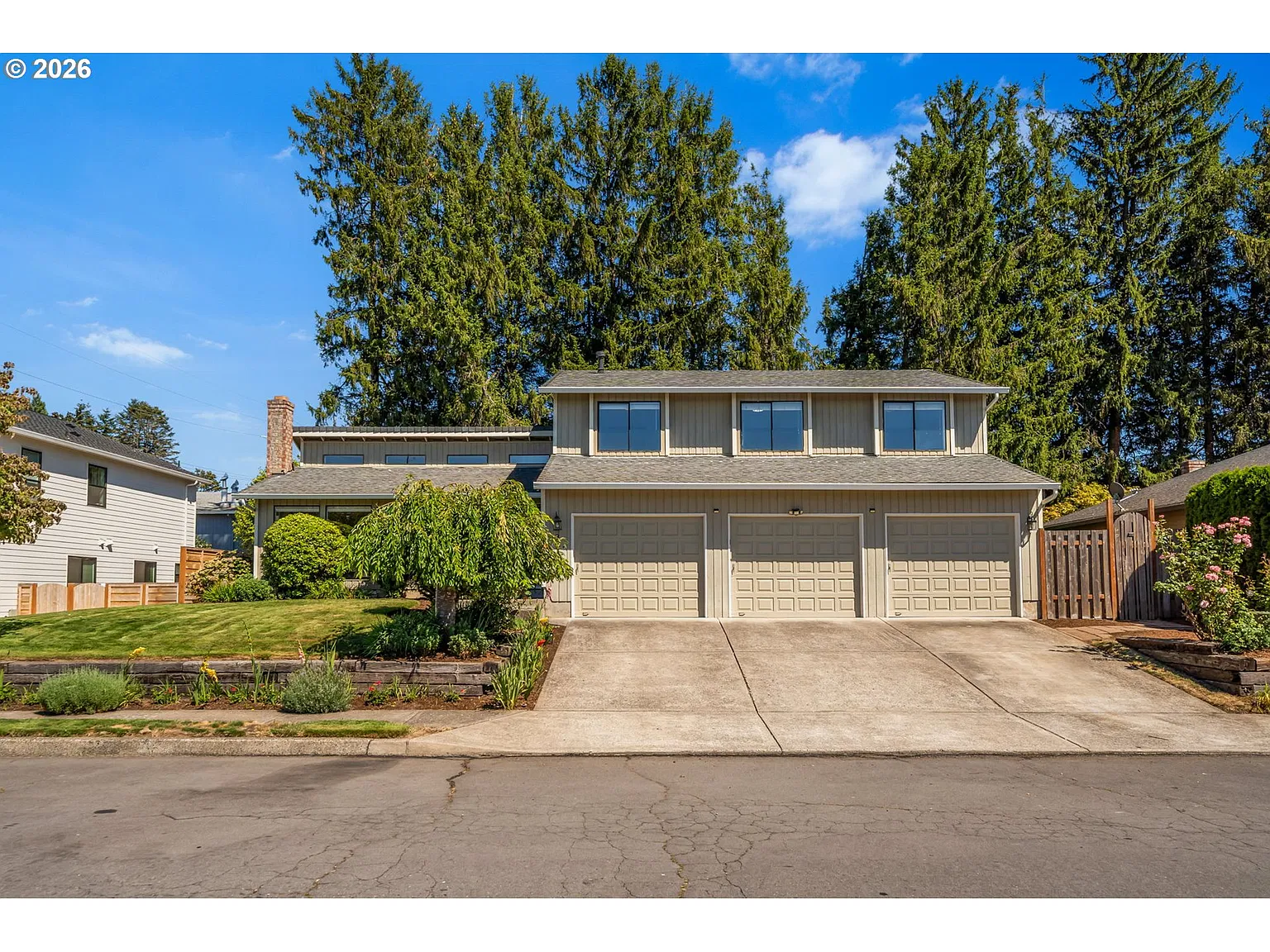
Does a New Construction Home Lose Value the Day You Move In?
Not the house, exactly. The premium is what's at risk
A builder prices a new home for what the market will pay for a brand-new house, with new everything and a warranty behind it. That price includes a premium for "new." The day you close and move in, your home becomes a used home, and the question is how much of that premium a future buyer will still pay for.
The sources I reviewed describe the same general pattern: the premium tends to soften in the first few years, then the home's value converges with comparable homes nearby as the community matures. That isn't the structure losing value, it's the "new" markup fading. In a rising market the fading may be invisible. In a flat market it can mean a seller in year one or two gets back less than they hoped.
What Actually Drives Resale Value: Location or the House?
Mostly location, and it's easy to get wrong
Over 10 or 20 years, the land and its surroundings do most of the work. The house depreciates, the location appreciates, and a new home in a strong location tends to do better than a new home in a weak one, regardless of how nice the finishes are. In Clark County, a big part of "strong location" is the school district, which is why I'd put real time into which Clark County school districts carry the strongest reputations before you pick a community, and into confirming the district for the exact address.
The same goes for the city itself. The gap between Camas, Ridgefield, Vancouver, and the more rural cities is large and has been for years, and I broke down how prices vary city by city in Clark County. A new build in a lower-demand area shouldn't be expected to behave like one in a higher-demand area just because both are new.
Why Is Selling Within the First Few Years the Hardest Part?
You may be competing against the builder
This is the part that surprises people. If you buy in a community that's still building out, the builder is still selling brand-new versions of your house, often a street or two over, with a warranty and incentives you can't offer. The Census Bureau and HUD's New Residential Sales report for August 2026 counted about 483,000 new single-family houses for sale nationally, roughly 8.5 months of supply at the current sales pace. That's a national figure, not a Clark County one, but the dynamic is the same anywhere builders are carrying inventory: a lot of new product competing for the same buyers.
A builder can pair a new home with a closing credit or a lower rate, and may be especially motivated near the end of a quarter. A resale seller can't match that, which is the reason how builder incentives really work matters even if you never plan to use one on your own purchase, since it's what your future buyer will be comparing your home against.
Which Choices Protect the Resale Value of a New Build?
Most of them are made before you close
How Long Should You Plan to Stay in a New Build?
A rule of thumb, with the reasoning behind it
The commonly cited rule of thumb is about five years or more, and the logic holds up. Selling costs take a real bite out of any early appreciation. The new-home premium may not have fully worked itself out. And a newer home also carries its own ongoing costs, including property taxes based on the home's full value, which I walk through in new construction property taxes and closing costs in Clark County. Stay long enough for appreciation to outrun all of that.
That said, life doesn't follow rules of thumb. If you do end up needing to sell within the first couple of years, price realistically against both the resale homes and the builder's current inventory, and plan your approach with someone who knows the community, which is exactly what I do when selling a Vancouver home. The goal is to avoid being surprised, not to avoid selling.
Frequently Asked Questions
New construction resale value, common questions
Does new construction lose value after you buy it?
Do new construction homes appreciate faster than resale homes?
How long should I stay in a new construction home to avoid losing money?
Why might a new build be hard to sell while the builder is still selling?
Do design center upgrades add resale value?
Does an ENERGY STAR certified home sell for more?
Weighing a New Build, or Wondering What Yours Is Worth?
Let's look at the specific community, the builder's current inventory, and what you're likely to be competing against if you ever sell.
Book Your Free Discovery Session Run the Affordability Calculator Join Our Facebook GroupCategories
Recent Posts








GET MORE INFORMATION

Cassandra Marks
Realtor, Licensed in OR & WA License ID: 201225764
Realtor, Licensed in OR & WA License ID: 201225764