
Is an Inspection Necessary on New Construction?
Yes. City code inspections and an independent buyer's inspection aren't the same thing. Here's what each one actually checks, and why the gap between them matters.

I hear a version of this question from almost every new construction buyer at some point. "It's brand new, why would I need an inspection?" It's a fair question, honestly. The answer isn't obvious unless you know what a city or county inspector is actually checking for versus what an independent inspector is looking at. They're not the same job, even though it sounds like they should be.
This one pairs directly with a question I get just as often, do I need my own Realtor when buying from a builder. Your agent is usually the one making sure this inspection actually happens on schedule, not after you've already lost your leverage.
If you're still getting oriented to the process overall, my overview of new construction homes in the Pacific Northwest and my full walkthrough of buying new construction in Vancouver, WA are good starting points before you get into the inspection specifics below.
Get Up on My Soapbox for a Second
Before we go too far into the actual inspections and the process, I would like to take a second and get up on my soapbox. If you are hiring a buyer's agent to represent you, they should be at all of your inspections. Foundation, pre-drywall and framing, whole home inspection, blue tape walk-through/homeowner orientation, and final walk.
There are times that the builder will insist that the only one who should be at these appointments is the buyer, but if that's the case, are you truly representing your buyer to your full ability? You need to advocate and tell your client that you will be there, and then show up regardless of what the builder says.
I have a great relationship with many community reps, construction superintendents, and builders throughout the county. I go to all of the inspections with my clients, and I'll also spend a half-day in the design center with them as well, because that's what I've been hired to do. Not a single one of my clients has ever said, "Oh, I wish you wouldn't have been here with me, Cas."
There are many Realtors who will put you in contract to build your new home, insist that they're not allowed to come to these inspections, and then you'll never hear from them again until they collect their paycheck at closing. I've heard of that exact thing happening, from clients buying their second new construction home who had me represent them the second time around.
So if you have an agent helping you preview new construction, ask them if they attend these appointments. If they say they can't attend any of them with you, you have the wrong person representing you.
Doesn't the City Already Inspect New Construction Homes?
Yes, but it's checking a different thing than you'd expect. Throughout construction, city or county inspectors visit the site at specific, required stages: footings before concrete is poured, framing before it's covered up, rough-in plumbing and electrical, and a final inspection before a Certificate of Occupancy is issued. Here in Clark County, you can see the full list of required stages on the county's own building inspections page.
What they're confirming is code compliance. Did the work meet the minimum standard required by law. What they're not doing is evaluating overall workmanship, finish quality, or whether something was installed correctly but sloppily. A municipal inspector might be responsible for dozens of active sites in a single week, so a pass doesn't mean every detail got a close look. It means the visible, required items met code at that moment.
This is one of the biggest differences between new construction and a typical resale purchase. If you're weighing the two, buying a home in Vancouver, WA generally means an existing property with years of use to inspect against, not a single code pass.
What Do Independent Inspectors Actually Catch in Brand-New Homes?
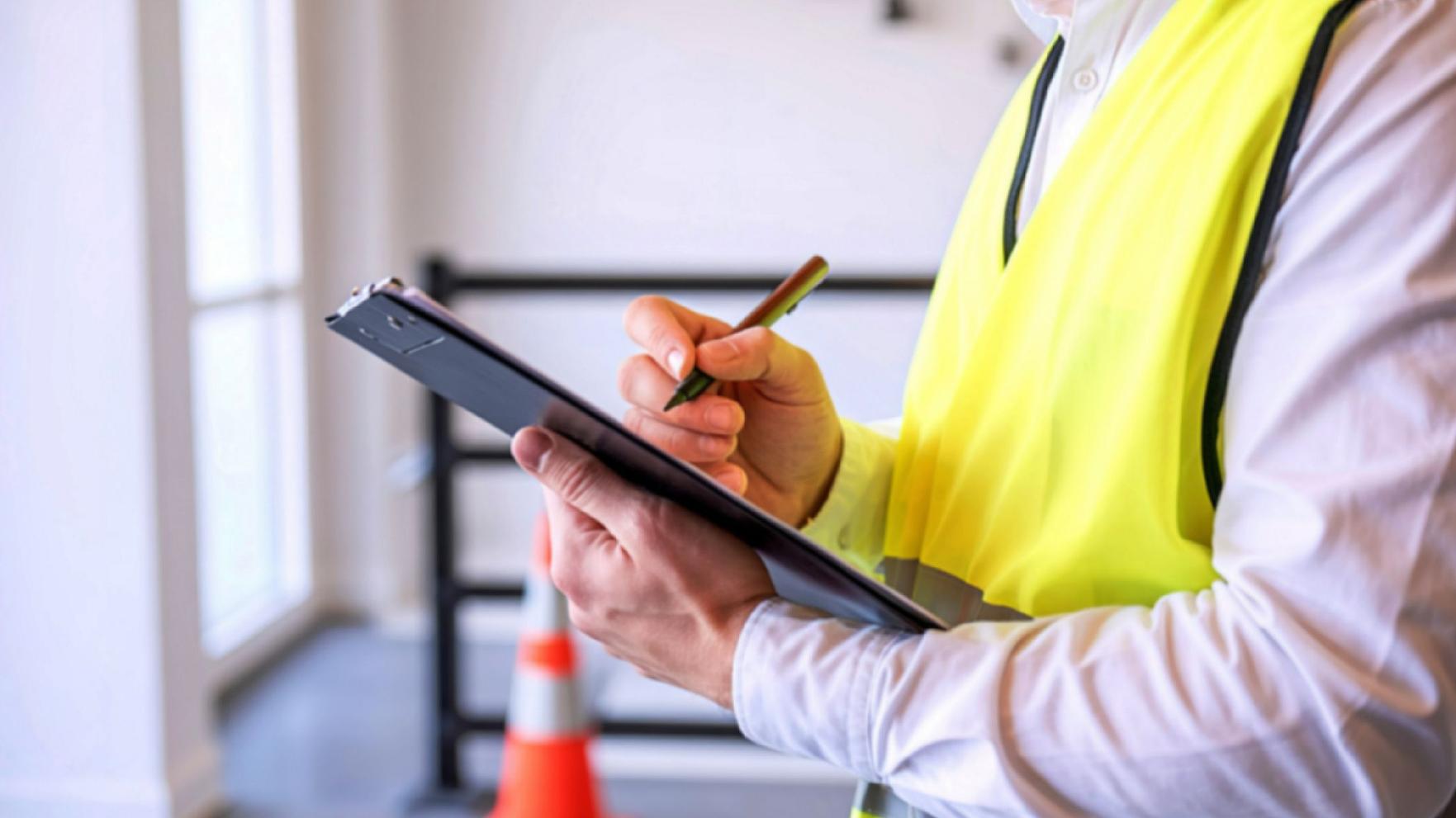
None of these are usually visible during a standard builder walkthrough, and none of them mean the home failed its code inspections. They're the kind of detail a code pass just doesn't rule out.
Individually, most of these are inexpensive to fix, but only if they're caught while the builder is still on-site and still responsible for the home. Once you've closed and moved in, the same fix becomes your problem and your bill.
What Are the Different Phases of a New Construction Inspection?
A thorough independent inspection isn't a single event. Ideally it happens at a few key points, though even a single pre-closing inspection is far better than none at all.
| Phase | When It Happens | What Gets Checked |
|---|---|---|
| Foundation / Pre-Pour | Before concrete is poured | Layout, reinforcing steel, site conditions |
| Pre-Drywall / Framing | Before insulation and drywall go up | Framing, rough-in plumbing, electrical, HVAC, while it's all still visible |
| Whole Home Inspection | After finishes are complete, before the final walkthrough | An independent inspector spends about four hours going through the home's systems and finishes and builds the punch list used for the final walkthrough |
| Final Walkthrough | Before closing | Confirming punch list items from the whole home inspection have been completed |
| 11-Month Warranty Inspection | Just before the builder's warranty expires | Settling cracks, seasonal HVAC issues, anything that surfaced after move-in |
Why Does the 11-Month Warranty Inspection Matter So Much?
Most builders offer a one-year warranty on new construction. Some issues don't show up right away. A settling crack, a door that starts sticking, an HVAC system that struggles once it hits its first real summer or winter. Those tend to surface only after the home has gone through a full season cycle, which is exactly why the timing of this inspection matters.
An inspection performed a month or so before that warranty expires catches those issues while the builder is still contractually obligated to fix them at no cost to you. Wait past that window, and the same repair becomes entirely your responsibility.
This matters even more if you're buying new construction specifically to simplify maintenance down the road. See my guide on new construction for retirees in Vancouver, WA for what else to plan around.
What Happens to the Inspection Findings Before Closing?
Once the inspection is done, it's less about negotiating and more about making sure nothing in the report gets lost. Your agent reviews the inspection report with you and turns it into a clear, specific punch list the builder can act on.
This is one of the places where having your own representation pays off directly. An agent experienced with new construction knows how to read that report and translate it into a punch list the builder is expected to complete in full, rather than letting the builder simply promise to "get to it later." I cover the rest of what a buyer's agent handles on a builder deal in do I need a Realtor when buying new construction from a builder, and how closing cost credits typically work in my guide on builder incentives and what to check before you sign.
It also helps to have someone standing next to you when the report is being walked through, not just reading it after the fact. Questions come up in the moment, and a builder's team doesn't always leave much room for that during a scheduled visit. Which is really the whole point: who you choose to work with on a build makes a real, tangible difference in how well your interests get looked after.
Is a Home Inspection the Same Thing as an Appraisal?
No, and this mix-up trips up a lot of first-time buyers. An appraisal is for your lender. It estimates the home's market value to confirm the loan amount is justified. A home inspection is for you. It evaluates the physical condition of the structure and its systems. HUD lays out this exact distinction in its own homeownership guidance, and it's worth reading if you want the plain-language version straight from a federal source.
Passing an appraisal says nothing about whether the plumbing was installed correctly. The two serve completely different purposes, and having one done is never a substitute for the other.
What Should I Do to Make Sure My New Build Gets Properly Inspected?
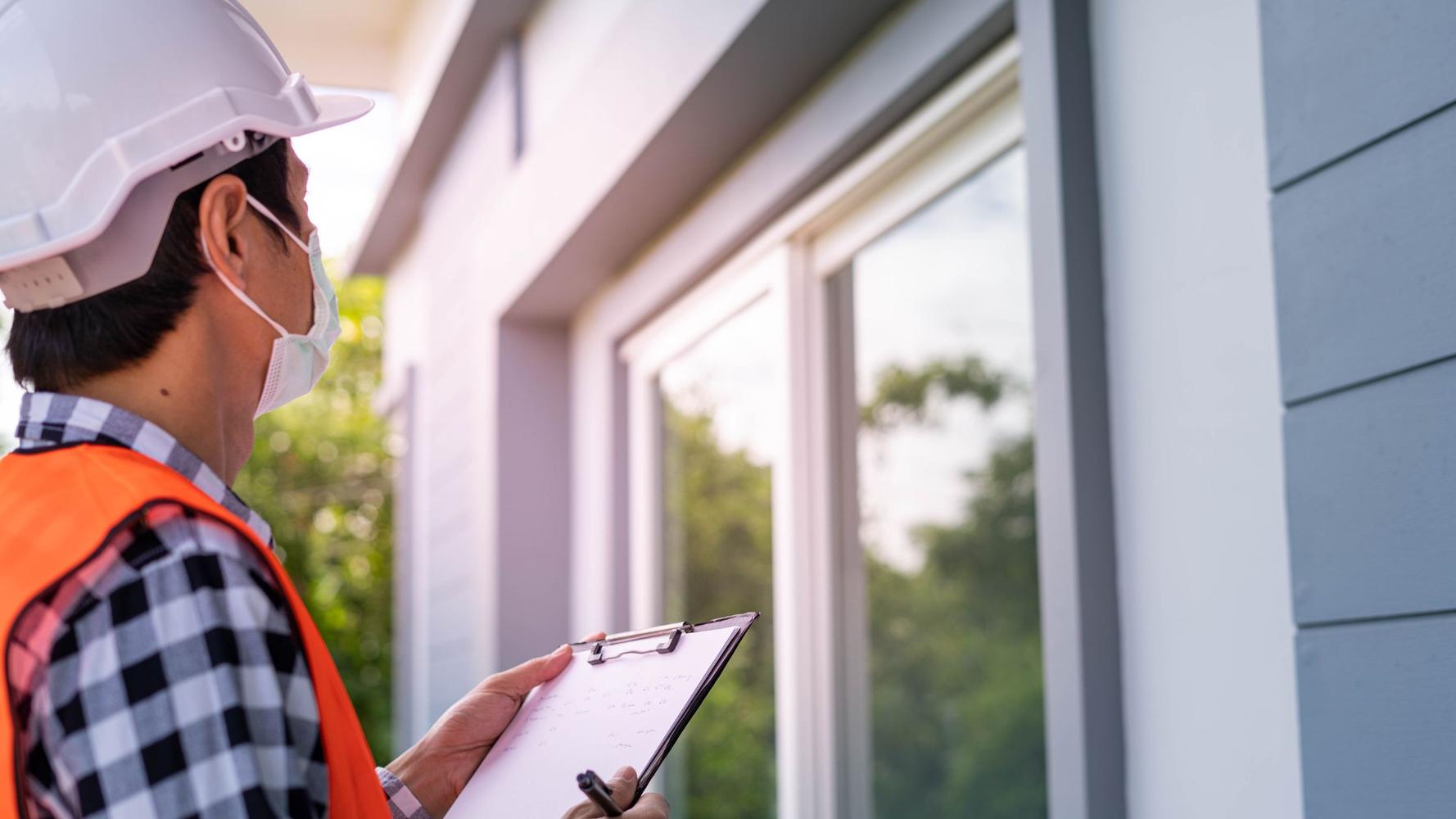
- Schedule an independent inspection before closing. Never rely on the city inspections or the builder's own walkthrough alone.
- Ask about a pre-drywall inspection if your builder's timeline allows it, since framing, plumbing, and electrical are only visible before drywall goes up.
- Bring an inspector who works new construction regularly. The punch list they generate should be specific enough for the builder to act on.
- Get everything in writing before closing, and confirm punch list items are completed before, not after, you take possession.
- Set a reminder for your 11-month warranty inspection the same day you close. This is the step almost everyone forgets.
- Keep all communication about your findings with your buyer's agent. They'll turn the report into a punch list and stay on top of the builder completing it before you close.
Buying New Construction? Start Here
A few resources that pair directly with this one:
Plan Ahead
Browse New Construction Homes For Sale
New Construction Inspections: Common Questions Answered
Is an inspection necessary on new construction?
Doesn't the city already inspect new construction homes?
What's the difference between a home inspection and an appraisal?
What is a builder's 11-month warranty inspection?
What do inspectors typically find in brand-new homes?
What happens to inspection findings before closing?
Does my Realtor need to be at my inspection?
Buying New Construction? Don't Skip This Step.
Let's talk about what an inspection timeline should look like for your specific build, and make sure nothing gets missed between pre-pour and your final walkthrough.
Book Your Free Discovery Session Explore Buying New Construction