
New Construction Landscaping: What's Included | Realtor Cas
New Construction Landscaping: What's Included, What You'll Pay Extra For
The budget line most buyers skip, and the one that shows up the week after closing.
What landscaping comes with a new construction home? Usually the basics: grading, front yard seed or sod, and minimal foundation plantings. Backyard grass, trees, fencing, irrigation, and patios are typically a buyer expense, and every builder is different, so never assume. In western Washington there's one added protection: builders are required to restore the soil in landscaped areas to a post-construction standard of about 8 inches of quality soil, which is why "the yard is just dirt" isn't the whole story. Ask what's included in writing, and ask how the soil depth was verified.
It's the week after closing. The house is perfect, the boxes are stacked, and then you look out the back window at a rectangle of bare dirt and realize nobody told you the yard was your job. It's one of the most common new-build surprises I see, and it's almost always avoidable with a few questions asked before signing.
This covers what builders typically include, what usually costs extra, one local rule about soil that works in your favor, and what to get in writing. If you haven't toured yet, what to ask on your first builder model home tour includes landscaping in the list of things to ask beyond the base price.
What Landscaping Is Usually Included With a New Construction Home?
The basics, and not much more

Across the builders and landscapers I looked at, the standard package is consistent: grading, front yard grass (seed or sod, depending on the builder), and a few foundation plantings. Anything beyond that, including full backyard grass, extra planting beds, trees, fencing, irrigation, and patios, is usually a separate buyer expense.
Some builders include more, and a few include less. That's the point: it varies, and it's easy to assume your builder is the generous one. Treat landscaping the way you'd treat any other line item, which means it should be spelled out in the builder's purchase agreement, not described in a brochure or promised at the sales desk.
Is the Soil in a New Build Yard Really Just Dirt?
In western Washington, there's a standard it has to meet
Construction strips and compacts a lot of ground, and in the past builders sometimes left yards with very little topsoil, planted on compacted layers of subsoil. That's changed here. According to WSU Extension's guide to landscaping in Washington, builders in western Washington are now required to stockpile existing topsoil during grading and replace it before landscaping, or bring in and amend soil, to meet the state's post-construction soil quality and depth standard, known as BMP T5.13.
The numbers are specific: at least 8 inches of soil, with at least 5% organic matter for lawn areas and 10% for planting beds. Where the native topsoil isn't there, the builder adds compost to reach that standard. Clark County publishes its own implementation procedure for builders on how to meet that requirement with on-site soils, including a minimum 8 inches of topsoil at the time of home completion, certified by a qualified soil professional.
What Will You Pay Extra For After Closing?
The list is longer than most buyers expect
Costs vary widely. The sources I reviewed put a basic backyard of sod and a few plantings in the low-to-mid thousands, and a fuller project with a patio and irrigation far higher, but those are mostly national figures. For a real local number, get two or three bids before closing and add the total to your move-in budget, alongside the other costs in new construction closing costs, property taxes, and HOA fees. Run the combined total through the new construction home affordability calculator so it doesn't surprise you.
What Should You Know About Drainage Before You Landscape?
Plan water first, plants second
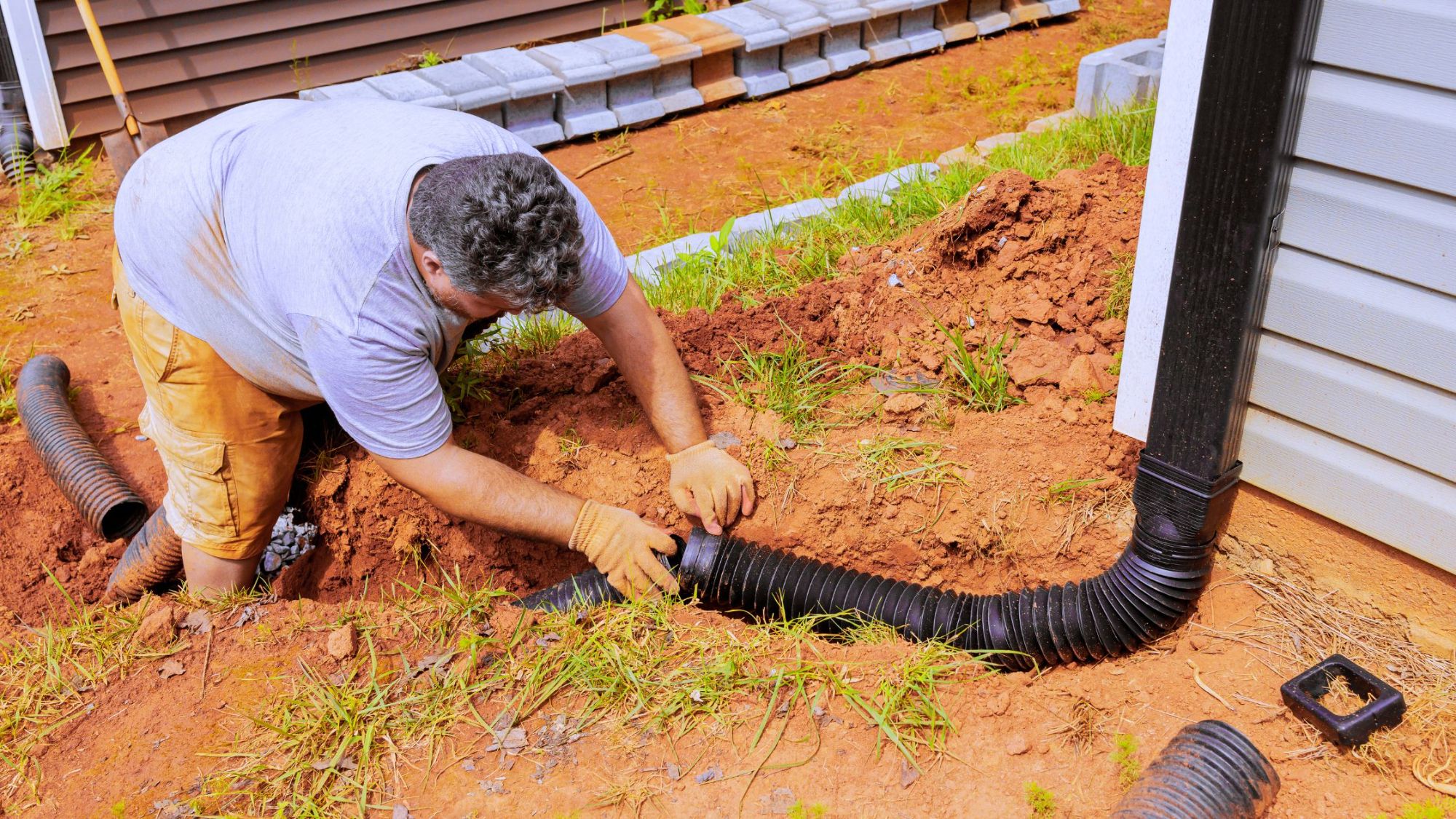
In our wet climate, where water goes matters more than what you plant. Before you add a patio, raised beds, or a new lawn, find out how your lot drains and whether it has drainage easements or stormwater features. Don't regrade, block swales, or build over anything you're not sure about. Ask your builder for the lot's drainage plan and what you can and can't build over.
Walk the yard after the first heavy rain and see where water collects. I cover that check in the first-year maintenance checklist. If water pools against the foundation because the grading was done incorrectly, that can be a builder issue, not a landscaping one, which is covered in what the builder's warranty covers. Document it and report it in writing early.
What Should You Ask Your Builder About Landscaping Before You Sign?
Seven questions, answered in writing
If you plan a fence, outdoor kitchen, or patio lighting, tell the builder before construction gets far along. Exterior outlets and a gas line stub are cheap to add early and expensive later, the same logic as the infrastructure choices in Design Center 101.
Frequently Asked Questions
New construction landscaping, common questions
Does a new construction home come with landscaping?
Do builders in Washington have to provide topsoil?
Is sod or seed better for a new construction yard?
How much should I budget for landscaping a new build?
Can I change my yard's grading or drainage?
Weighing a New Build and Wondering About the Yard?
Let's go through what's included, what isn't, and what to get in writing before you sign.
Book Your Free Discovery Session Run the Affordability Calculator Join Our Facebook GroupCategories
Recent Posts







GET MORE INFORMATION

Cassandra Marks
Realtor, Licensed in OR & WA License ID: 201225764
Realtor, Licensed in OR & WA License ID: 201225764