New Construction Costs: Closing Costs, Property Taxes & HOA Fees
Three separate costs that get lumped together and shouldn't be. What each one actually runs in Vancouver, WA & Clark County, and why new construction handles all three differently than resale.
On new construction in Vancouver, WA and Clark County, expect closing costs of 2–5% of the purchase price, property taxes that often run higher than a comparable resale home because new builds are assessed at their full completed value, and HOA fees that vary significantly by community, some charge none at all. These three costs get bundled together in casual conversation, but they're governed by different rules and worth understanding separately.
"What does it actually cost, after the purchase price?" is a fair question, and the honest answer has three separate parts that don't always move together. Closing costs are a one-time expense at purchase. Property taxes and HOA fees are ongoing, and they can meaningfully change your real monthly payment compared to what the sticker price implies.
This covers all three specifically for new construction, since each one works a little differently than it does on a resale purchase. For the cost of the build itself, see what it typically costs to build a house in Vancouver, WA & Clark County.
What Are Typical Closing Costs on New Construction?
A one-time cost, paid at purchase
Closing costs on new construction typically run 2% to 5% of the purchase price, in line with what the CFPB's own guidance on budgeting for a home purchase states generally. That range covers things like loan origination fees, title insurance, escrow fees, and prepaid property taxes and insurance. The specific line items and amounts appear on your Closing Disclosure, which the CFPB's Closing Disclosure explainer breaks down section by section if you want to know what you're actually looking at before you sign.
What's Different About New Construction Closing Costs?
Are Property Taxes Higher on New Construction Than Resale?
An ongoing cost, and yes, often meaningfully higher
Property taxes in Clark County run around 1% of assessed value annually, but new construction gets assessed at its actual built value, which is usually higher than an older resale home nearby with the same square footage, since older homes are often assessed below current market value until they sell. The Clark County Assessor's office confirms this directly: new construction is physically inspected and valued each year, while most existing homes are only adjusted based on prior-year sales data. That means a new build's property tax bill can come in noticeably higher than a similarly priced resale home in the same neighborhood.
Real Estate Excise Tax (REET)
Washington's real estate excise tax also applies on the sale itself, on a tiered scale from 1.1% to 3% based on price, combining a state rate with a local jurisdiction rate; the Department of Revenue's page above has the current general rate table. As the buyer, this generally isn't a cost you need to budget for out of pocket: REET is paid by the seller, deducted from their proceeds at closing, not charged to you. It's still worth knowing about, since it's part of why a seller's net proceeds are lower than their sale price, but it's not a line item that adds to your side of the closing costs.
Why Loan Estimates Sometimes Get This Wrong
Because the home doesn't exist yet at the time a loan estimate is prepared, lenders sometimes base the property tax figure on land value alone or an outdated assessment, rather than the home's full completed value. Once the county assesses the finished home, the actual tax bill can be significantly higher than what was estimated, which can increase your monthly mortgage payment once escrow adjusts. I cover a real client example of exactly this happening in builder incentives and what to know before you sign. Always ask a second, independent lender to sanity-check the property tax line on a new construction loan estimate before you lock in.
Do New Construction Communities Have HOA Fees?
An ongoing cost that varies more than most buyers expect
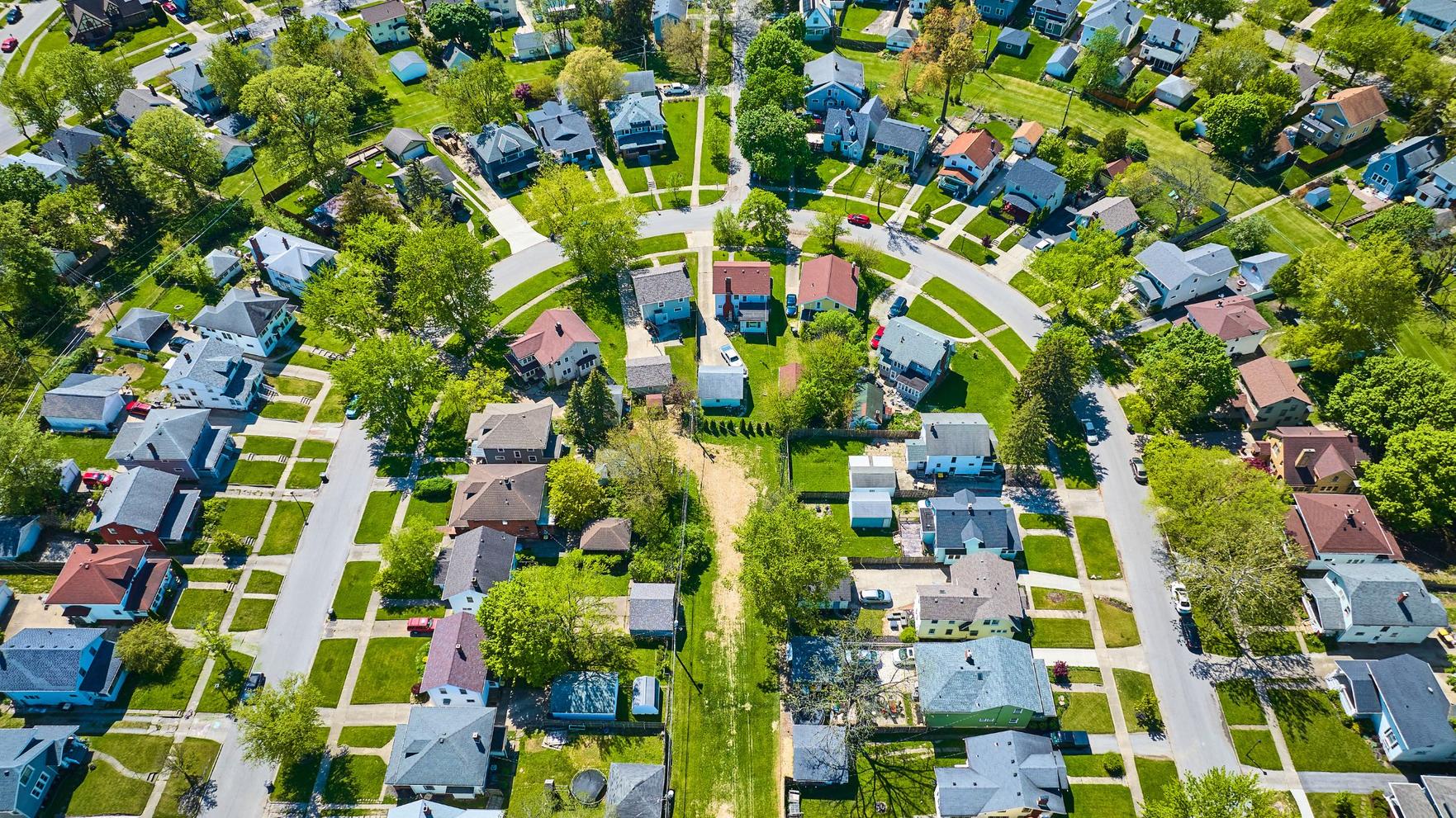
Whether a new construction community carries an HOA fee, and how much, varies significantly by community and directly affects your ongoing monthly costs, not just your purchase price. Some communities typically don't carry HOA fees at all, while others do, often tied to shared amenities like parks, entrances, or landscaping in larger master-planned communities. Two communities at a similar price point can have very different real monthly costs once HOA dues are factored in.
What Do HOA Fees Typically Cover?
What to Ask Before You Assume the Cost
Always confirm the current HOA cost and exactly what it covers before signing, ask whether the fee is likely to increase once the community reaches full build-out, and ask to see the HOA's reserve study if one exists. A community with a suspiciously low fee and no meaningful reserves can mean a special assessment down the road.
How Do These Three Costs Add Up to a Real Monthly Number?
Putting closing costs, taxes, and HOA fees together
Closing costs are a one-time hit at purchase. Property taxes and HOA fees are ongoing, and together they can shift your real monthly payment noticeably compared to just principal and interest. Two homes at the same list price, in different communities, can have meaningfully different true monthly costs once taxes and HOA dues are factored in, which is exactly why comparing on price alone is incomplete. Run your own numbers with the new construction home affordability calculator, and factor in what you learned above about your target community's specific tax and HOA situation, not just a citywide average.
Buying New Construction? Start Here
Frequently Asked Questions
New construction closing costs, property taxes & HOA fees, common questions
What are typical closing costs on new construction?
Are property taxes higher on new construction than resale homes?
What is the real estate excise tax in Washington?
Why do new construction loan estimates sometimes underestimate property taxes?
Do new construction communities in Vancouver, WA have HOA fees?
What does an HOA fee typically cover in a new construction community?
Are there property tax exemptions available for seniors in Clark County?
Comparing the Real Cost of a Few Communities?
Let's run the actual numbers, closing costs, property taxes, and HOA fees included, before you decide on price alone.
Book Your Free Discovery Session Run the Affordability Calculator