Downtown Vancouver, WA Living: Is Urban Life Right for You?
Waterfront condos, walkable historic streets, and Main Street coffee shops. Here's the honest guide to living in Downtown and Uptown Vancouver, WA: what it costs, what it's like day to day, and who it fits.

When people picture Vancouver, Washington, they usually picture suburbs: cul-de-sacs, new construction, and a two-car garage. But some of my favorite clients want the exact opposite. They want to walk to dinner, grab coffee without starting the car, and watch the sunset over the Columbia River from their own balcony.
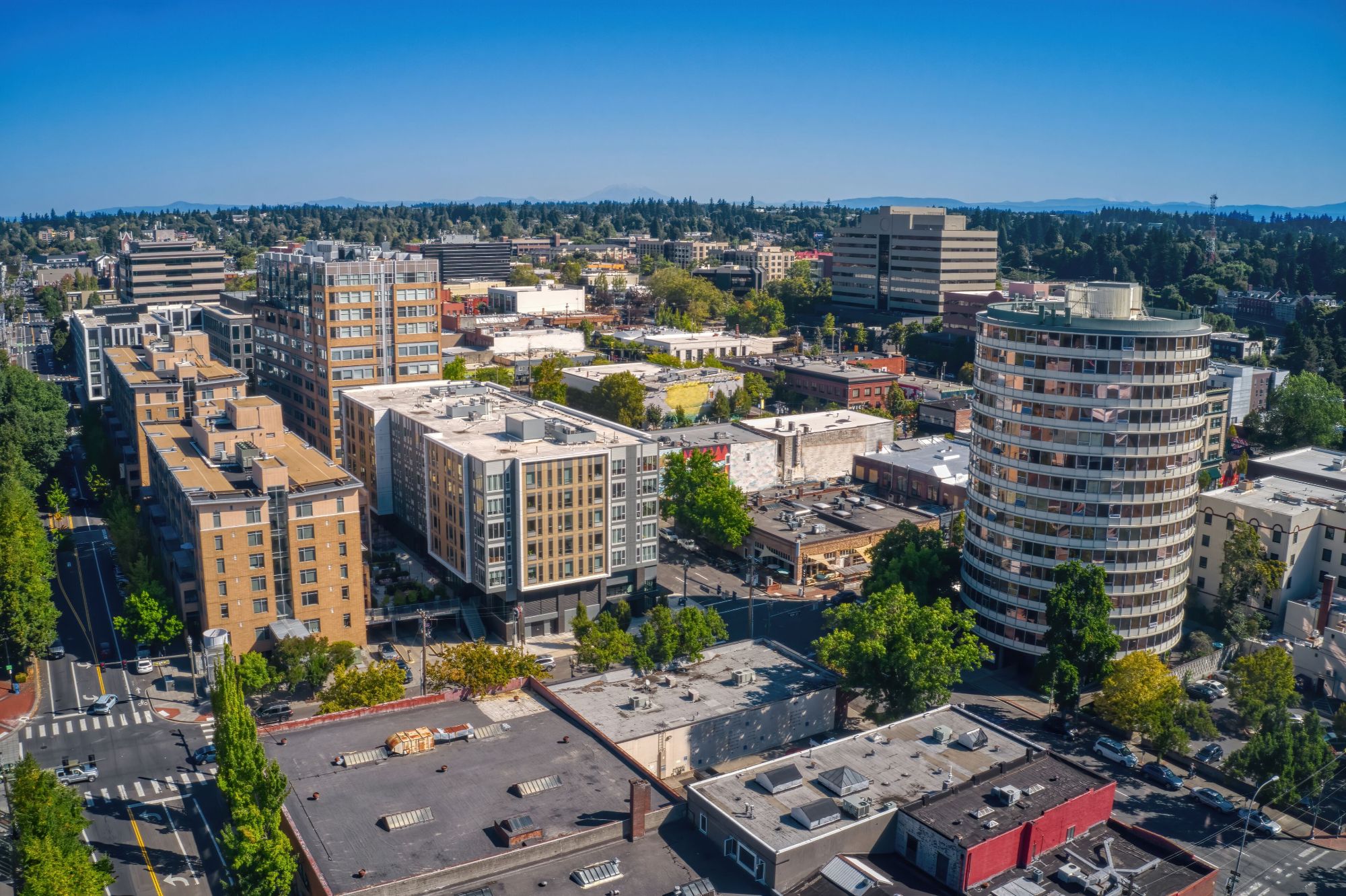
That's what Downtown and Uptown Vancouver offer, and the area has changed a lot in the last decade. The waterfront went from industrial land to restaurants, a pier, and condos. Main Street filled up with bakeries, breweries, and boutiques. And more is coming, including a public market at the Port of Vancouver's Terminal 1.
Urban living isn't for everyone, though, and I'd rather you know the tradeoffs now than after you've signed an HOA document. So here's the honest breakdown: how I define each area, what the housing looks like, what it costs, and the questions to ask before you buy.
Downtown vs. Uptown Vancouver: How I Define Them
Ask five locals where "downtown" ends and you'll get five answers. For this guide, here's the line I use with clients, because the housing and lifestyle change noticeably once you cross it:
- Downtown Vancouver: Everything south of East 15th Street and Mill Plain Boulevard, down to the Columbia River. This includes the Esther Short neighborhood, which the City of Vancouver describes as the city's commercial, cultural, financial, and municipal center, plus the Vancouver Waterfront.
- Uptown Vancouver: The historic residential neighborhoods just north of downtown, centered on Main Street and the Uptown Village business district: Hough, Arnada, Carter Park, Shumway, and Lincoln.
| Area | Typical housing | The vibe | Best for |
|---|---|---|---|
| Downtown & Waterfront | Condos, apartments, lofts, townhomes | City energy, river views, events | Lock-and-leave living, walking everywhere |
| Hough | 1890s to 1940s bungalows, Foursquares, Victorians | Historic, tree-lined, steps to Main Street | Historic-home lovers who want walkability |
| Arnada | Vintage homes, some newer infill | Quiet streets, close to downtown and uptown | Walking and biking to everyday errands |
| Carter Park | 1920s to 1950s Craftsman bungalows, 2000s infill | Alley garages, big street trees | A classic neighborhood feel near Main Street |
| Shumway | Early to mid-1900s bungalows and Foursquares | Quiet, residential, active neighborhood association | More space for the money, easy I-5 access |
| Lincoln | Historic homes and Victorians | Peaceful, residential, near trails | A quieter street a bit farther from the bustle |
Living in Downtown Vancouver, WA
Downtown is where you live if you want the most walkable lifestyle in Clark County. Redfin gives the Downtown Vancouver neighborhood a Walk Score of 95, which means daily errands don't require a car.
Esther Short Park and the downtown core
Esther Short Park, dedicated in 1855, is the oldest public square in the Pacific Northwest according to the City of Vancouver, and it's the heart of downtown. You'll find the bell tower, a playground, summer concerts, and the Vancouver Farmers Market on weekends during the market season. The streets around it are full of restaurants, wine bars, coffee shops, and local shops. If you love that scene, here's my guide to downtown Vancouver's wine scene and a walking tour of downtown murals and public art.
Just east of downtown, across I-5, the Fort Vancouver National Historic Site and tree-lined Officers Row are an easy walk or bike ride away.
The Vancouver Waterfront
The Waterfront is the newer side of downtown: river-view condos and apartments, restaurants, tasting rooms, Vancouver Waterfront Park, and the Grant Street Pier hanging out over the Columbia. It connects to the Columbia River Renaissance Trail, so you can walk or bike east along the river toward the Old Apple Tree Park and beyond. For a deeper look, read Living Near the Vancouver Waterfront: Is It Worth It? and my waterfront development update.
What's coming: the Terminal 1 public market
Just east of the waterfront and right next to the I-5 bridge, the Port of Vancouver is rebuilding its original Terminal 1 dock to support a planned public market. Crews installed 198 piles for the new dock and moved to above-water work in 2026. The port has described a roughly 40,000-square-foot market with local food, drinks, and crafts, designed to complement the existing farmers market. If you buy downtown now, you're buying ahead of that.
Downtown housing and prices
Downtown housing is mostly condos, apartments, lofts, and townhomes, with very few detached single-family homes. When I researched this post, Homes.com showed downtown condos listed from about $189,900 to $1,297,000, with a condo median around $330,000. Older condo buildings near the core tend to sit at the lower end, while newer waterfront buildings with river views and amenities sit at the top.
Before you fall in love with a view, read the HOA documents closely. More on that below, and in my pros and cons of condo living in Vancouver and affordable condos in Vancouver guides. You can browse current homes and condos for sale in Vancouver, WA to see what's on the market right now.
Living in Uptown Vancouver: The Historic Neighborhoods
Uptown is where you go if you want walkability and a house with a porch. Main Street is the spine, lined with bakeries, breweries, restaurants, boutiques, antique shops, and food carts. The residential streets around it hold some of the oldest and most charming homes in the city.
Hough
Hough sits just northwest of downtown, roughly between 15th Street and Fourth Plain on the west side of Main. It's one of the city's oldest neighborhoods, and in 2003 much of it was listed on the Washington Heritage Register as the largest collection of pre-World War II housing in Vancouver, built mostly between about 1890 and 1945. Expect bungalows, American Foursquares, and Victorians on tree-lined streets, with John Ball Park and Hough Elementary in the middle of the neighborhood. Main Street is your front yard for coffee and dinner.
Arnada
Arnada sits on the east side of Main Street, across from Hough. The City of Vancouver describes it as one of the city's oldest neighborhoods, with vintage homes, mature trees, and Arnada Park as a neighborhood gathering spot. Bike routes along McLoughlin Boulevard and F Street make it easy to get around on two wheels, and you can walk to both Uptown and downtown.
Carter Park
Carter Park is north of Hough, with Memorial Medical Center on its northern edge. It's known for Craftsman bungalows from the 1920s through the 1950s, plus some 2000s infill homes. The city notes sidewalks on almost every block, garages on alleys, and large street trees. Neighborhood parks include the small Carter Park and Brickyard Park at Lincoln and 31st. One thing to know: Main Street and Fourth Plain on its edges carry real traffic, including large trucks.
Shumway
Shumway is about 10 blocks north of downtown, near Uptown Village, with I-5 on-ramps at both its north and south ends. It's a quiet, residential neighborhood of early to mid-1900s homes, and its neighborhood association is known for being very active. Homes.com's local guide puts many Shumway homes between about $450,000 and $750,000, with larger restored Foursquares reaching $800,000 to $1 million.
Lincoln
Lincoln sits north of Hough and Arnada and has a more tucked-away, residential feel, with a mix of historic homes and Victorians. Hidden Park and the Burnt Bridge Creek Trail are nearby for walks. If you want a historic home but a little more distance from the Main Street crowds, Lincoln is worth a look. Keep heading north and you reach Hazel Dell, which has a more suburban feel.
The Pros of Downtown and Uptown Vancouver Living
- True walkability. Coffee, dinner, the farmers market, the waterfront, and parks are on foot. That's rare in Clark County.
- Character you can't build new. Original hardwoods, built-ins, front porches, and leaded glass. These homes have stories.
- Easy Portland access. You're right at the I-5 bridge. For anyone who works or plays in Portland, the location is hard to beat, and Washington still has no state income tax on wages.
- Less driving. With The Vine and a walkable grid, some households drop down to one car, which changes your monthly budget. See my 2026 Vancouver cost of living update for the full picture.
- Lock-and-leave options. A downtown condo means no yard work and an easy home base if you travel.
- Room to grow in value. The Terminal 1 market, new transit, and waterfront development are still in progress.
The Honest Downsides of Urban Living in Vancouver
- Noise and activity. Events, traffic, trains along the river, and late-night neighbors come with the territory.
- Parking. Many condos include limited parking, and guests may need to pay. Older Uptown homes often rely on alley garages or street parking.
- Visible homelessness. Like most downtowns on the West Coast, downtown Vancouver has people experiencing homelessness, particularly near some service providers. The City of Vancouver has a dedicated homelessness response team and opened a new 120-bed shelter near Vancouver Mall. Walk the blocks around any home at different times of day and look at the city's homelessness response updates so you can decide for yourself. My guide to safety in SW Washington explains how to read the data.
- Years of bridge construction. The Interstate Bridge Replacement now has federal environmental approval, and construction of the new bridge is expected to start in 2028 and last six to seven years. Plan for detours and noise near I-5, and expect tolling on the bridge. Read my take on Clark County's I-5 bridge crisis.
- Old homes, old systems. A 1920s bungalow is charming, but it may come with old wiring, plumbing, sewer lines, and lead paint. Budget for it.
- Smaller lots and less storage. Most Uptown homes sit on small city lots, and many condos have limited storage.
Is Urban Life in Vancouver Right for You?
Downtown or Uptown is probably a great match if most of these sound like you:
- You'd rather walk to dinner than drive to it.
- You want less yard work, or none at all.
- You travel a lot and want a home that's easy to lock up and leave.
- You commute to Portland or the waterfront and want to be close to the bridge.
- You love older homes and don't mind a little maintenance in exchange for character.
It may not be the best fit if you want a big yard, a three-car garage, a quiet cul-de-sac, or brand-new construction. In that case, look at areas like Salmon Creek, Felida, Ridgefield, or Camas. My Vancouver neighborhood guide and pros and cons of living in Vancouver are good next reads.
What to Know Before You Buy in Downtown or Uptown Vancouver
Buying a downtown condo
- Read the HOA documents. Look at the budget, reserve study, meeting minutes, and any planned special assessments. A low monthly fee isn't a deal if a big roof or siding bill is coming.
- Check what the dues cover. Water, sewer, garbage, insurance, and amenities vary a lot between buildings.
- Confirm loan eligibility. If you're using an FHA or VA loan, the condo project itself may need to be approved. You can search FHA-approved projects on HUD's condo lookup, and ask your lender before you write an offer.
- Ask about rental rules. Some buildings cap rentals or ban short-term rentals, which matters if you might rent it out later. See my breakdown of Vancouver's short-term rental rules.
- Understand parking and storage. Find out whether your space is deeded, assigned, or extra.
Buying a historic home in Uptown
- Get a sewer scope. Older homes often have aging clay or cast iron sewer lines, and repairs can run into the thousands.
- Look closely at electrical and plumbing. Your inspector should check for outdated wiring, undersized panels, and old galvanized pipes.
- Plan for lead paint safety. Homes built before 1978 may have lead-based paint, which matters for any renovation. The EPA's lead resources explain what to know before you sand or scrape.
- Ask about historic status and tax incentives. Homes on the National Register of Historic Places or the Clark County Heritage Register, or contributing homes in a county-registered historic district, may qualify for Washington's special valuation program. If approved, the cost of a substantial rehabilitation is left out of the home's assessed value for up to 10 years. Being in an area on the state's Washington Heritage Register doesn't automatically qualify a home, and registered properties can have rules for exterior changes. Confirm the details for the specific address with Clark County.
- Think about future flexibility. The city has been planning for more "middle housing" options, like ADUs and duplexes, through its Comprehensive Plan update. If adding a backyard unit matters to you, check current zoning for the lot.
For the full process, see my home inspections guide for buyers and buyer's guide.
More Guides for Downtown and Uptown Living
Downtown Vancouver, WA Living: Common Questions
Is downtown Vancouver, WA a good place to live?
How much does a condo cost in downtown Vancouver, WA?
What neighborhoods are in Uptown Vancouver, WA?
Where does downtown Vancouver, WA end?
Is downtown Vancouver, WA walkable?
Is downtown Vancouver, WA safe?
What is the Hough neighborhood known for?
How will the I-5 bridge replacement affect downtown Vancouver?
Want to Tour Downtown or Uptown Vancouver? 🏙️
Let's walk it together. I'll show you a few condos and historic homes, point out the blocks I love, and help you figure out whether urban life fits the way you actually want to live.
Book a Free Discovery Session Browse Homes for Sale Call (503) 884-2387
Categories
Recent Posts






GET MORE INFORMATION

Cassandra Marks
Realtor, Licensed in OR & WA License ID: 201225764
Realtor, Licensed in OR & WA License ID: 201225764