
What is Included in a Builder's Rate Buydown in 2026?
What is Included in a Builder's Rate Buydown in 2026?
What the builder is actually paying for, what you still have to qualify for, and what happens to your payment when the discount ends.
What's included in a builder's rate buydown? Money the builder pays toward lowering your mortgage payment, instead of cutting the home's price. A temporary buydown, like a 2-1, lowers your rate 2 points in year one and 1 point in year two, then it returns to the full rate in year three. A permanent buydown uses discount points to lower the rate for the life of the loan. What it usually doesn't include: a lower qualifying payment (you generally still qualify at the full note rate), freedom to pick any lender (it's typically tied to the builder's preferred lender), or protection if your closing date slips past your rate lock.
"Rates as low as 4.99%" on a builder's sign is one of the most effective things in new construction marketing, and it's also one of the least explained. Buyers see the number and mentally lock it in. Then, about 18 months after move-in, the payment jumps, and nobody warned them it would.
Builders have been doing this for a while. When I wrote about the market heading into 2025, I noted builders offering up to $30,000 in incentives to bring buyers' rates back toward 5% or 6%, and it hasn't gone away. This page is the part my guide to verifying builder incentives only touches on: what a buydown actually is, what's inside one, and what the real numbers look like.
What Is a Builder Rate Buydown?
The builder pays, you get a lower payment, and it isn't free
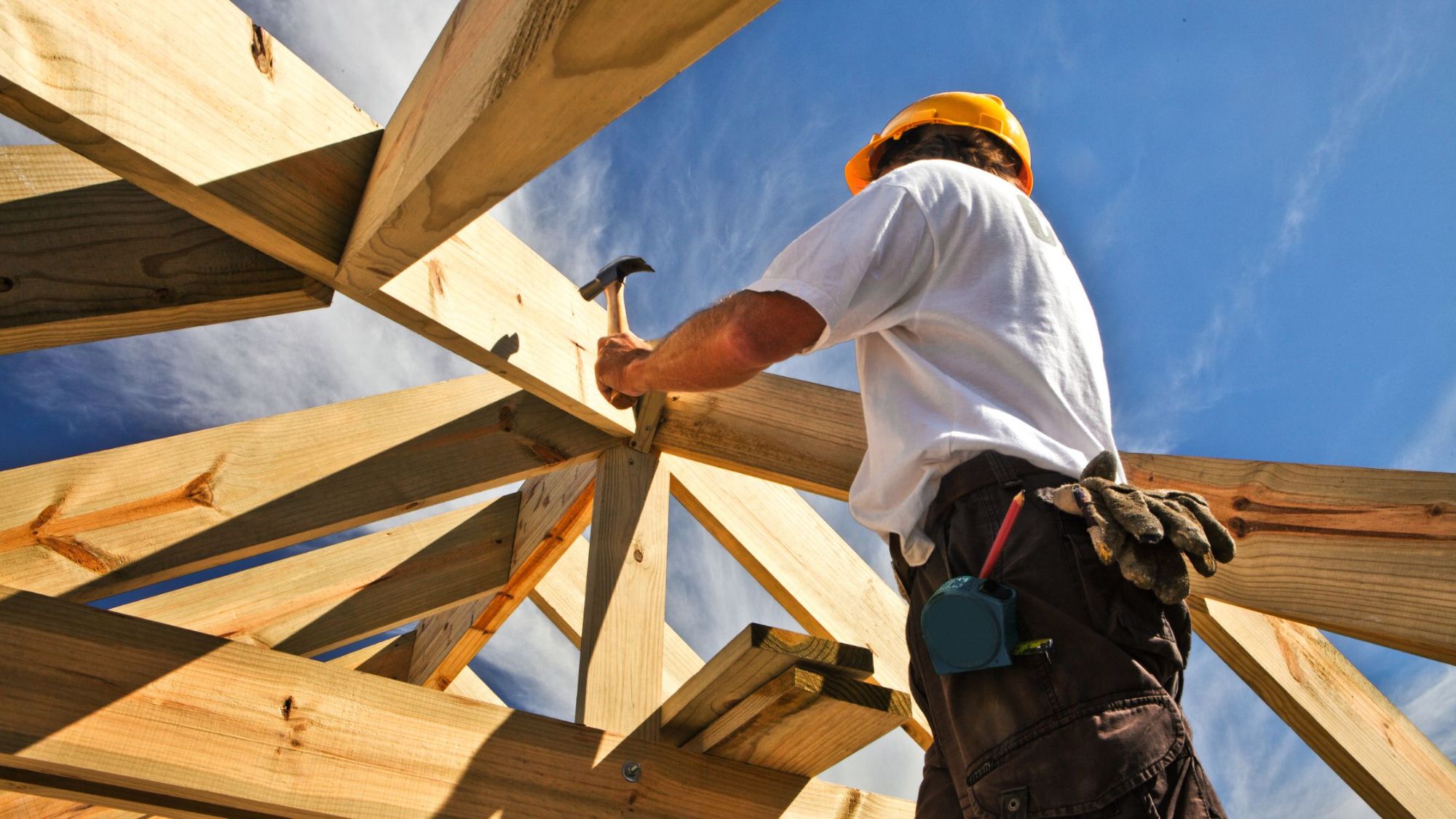
A rate buydown is a payment made at closing to reduce what you owe each month on your mortgage. On a new build, the builder usually funds it out of the profit on the home, which is why builders prefer it to a price cut: they get to advertise a lower payment without lowering the number on the contract.
The Consumer Financial Protection Bureau confirms this is a normal arrangement: discount points are typically paid by the borrower, but they can be paid by the home seller or a third party such as a homebuilder. The money isn't a gift. It's value the builder has already worked into their pricing, which is the exact question my incentives guide tells you to check.
What's the Difference Between a Temporary and a Permanent Buydown?
Two very different products with the same marketing language
With a temporary buydown, the underlying interest rate on your loan never actually changes. The builder's money sits in an account and covers the difference between the lower payment and the real one for the first one to three years. When that money is gone, you pay the full amount. A permanent buydown is different: the points lower the rate itself, so the savings continue for as long as you have that loan.
Whichever one is advertised, ask the first question I ask every client: "Is this temporary or permanent?" A banner rate can be either, and they are not close to the same deal.
What's Actually Included in a Builder's Buydown, and What Isn't?
The fine print that decides whether it's worth it
What Do the Numbers Actually Look Like?
One worked example, so you can see the step-up coming
Here's an illustrative example, not a quote. Say you're borrowing $500,000 on a 30-year fixed loan with a 6.5% note rate, and the builder offers a 2-1 buydown. Principal and interest only, rounded:
Over the two years, the builder funds roughly $11,400 to cover that gap. The part that catches people: your payment jumps about $627 a month between year one and year three. Nothing went wrong. That's the product working exactly as designed.
Should You Take the Buydown or Ask for a Lower Price?
Same dollars, three very different outcomes
Take that same roughly $11,400 and spend it three different ways on the same example loan:
The permanent-points figure assumes about 0.25% off the rate per point, which varies by lender and by day. Points also take time to pay off: in this example, about five years. The CFPB makes the same point in plain terms, most borrowers only benefit from discount points if they keep their mortgage long enough for the monthly savings to outweigh the upfront cost.
None of these is automatically the best. A temporary buydown helps most if cash flow is tight right now and you expect your income to rise or plan to refinance. Points help most if you'll keep the loan five-plus years. A price cut helps least per month, but it's the only option that isn't tied to a specific lender, a rate lock, or a loan type. This is a real negotiation, which is one reason having your own agent in the room matters, since the builder's rep has no reason to volunteer the price-cut option. For the bigger picture of how builder incentives change the math against buying existing, see new construction versus resale in Vancouver, WA.
Does Your Loan Type Change the Rules?
Yes, especially how much a builder is allowed to contribute

Every loan program caps how much a builder or seller can put toward your costs. For FHA, HUD lets what it calls "interested parties," a group that includes builders, contribute up to 6% of the sales price, and that 6% limit counts payments for both permanent and temporary buydowns. If a builder's offer is large, ask whether it fits inside your loan type's limit.
Conventional and VA loans have their own limits, so confirm yours with your lender rather than assuming they match FHA. If you're a veteran weighing a buydown, the VA side has additional quirks covered in using a VA loan on new construction, including how construction loans work differently from a standard purchase.
What Happens to the Buydown If Closing Gets Delayed?
The risk that has nothing to do with the discount itself
A buydown is tied to a locked rate, and a lock has an expiration date. A production home typically runs the 6 to 10 month build timeline we've covered, and many standard locks are much shorter than that. If the builder's schedule slips past your lock, you may pay to extend it or re-lock at whatever the rate is that day, and a buydown tied to the old rate can shrink or go away.
This is exactly the scenario I walk through in what happens if a builder misses the completion date. Ask before you sign: how long is the lock, what does an extension cost, and who pays if the delay is the builder's.
What Should You Ask for in Writing Before You Agree to a Buydown?
Eight questions, answered on paper and not at the sales desk
The CFPB's own advice when comparing loans is to ask each lender to show you two options, one with points or credits and one without, so you can see what you're really paying for. Do that with the builder's lender and with an outside lender, and compare. If you're still deciding whether to buy now or wait on rates, buy now or wait on mortgage rates in 2026 is a good place to start.
Frequently Asked Questions
Builder rate buydowns, common questions
What is a builder rate buydown?
How does a 2-1 buydown work?
Does a temporary buydown help me qualify for a bigger loan?
Is it better to take a rate buydown or a lower price?
Is there a limit on how much a builder can contribute toward a buydown?
What happens to my buydown if my closing is delayed?
Looking at a Builder's Rate Buydown Offer?
Let's run the real numbers, including the year-three payment, and compare it against a price reduction before you sign.
Book Your Free Discovery Session Run the Affordability Calculator Join Our Facebook GroupCategories
Recent Posts






GET MORE INFORMATION

Cassandra Marks
Realtor, Licensed in OR & WA License ID: 201225764
Realtor, Licensed in OR & WA License ID: 201225764