
Design Center 101: What to Expect When Choosing Finishes
Design Center 101: What to Expect When Choosing Finishes
Exciting, overwhelming, and exactly where budgets quietly go off the rails. Here's how to walk in prepared.
What should you expect at a builder's design center? Typically one or two multi-hour appointments where you select finishes room by room, and it's the point in the whole process where budgets most commonly go off track. The priority order that protects you: structural and infrastructure choices first (electrical outlet placement, plumbing rough-ins, gas lines), since these are nearly impossible or very expensive to add after the walls go up; big-ticket finishes next (flooring, countertops, cabinets), since they're costly to change later; and cosmetic items last (paint, hardware), since those are the easiest and cheapest to update after move-in. Get an itemized list of standard features and upgrade pricing before you go, and get change-order cutoff dates in writing.
Every buyer walks into their design center appointment excited. Most walk out either thrilled or a little dazed, sometimes both, because it's a lot of decisions made quickly, with real money attached to each one. I've sat through enough of these with clients to know the appointments that go well share a few things in common, and the ones that don't usually share the same mistake: no plan going in.
This covers what actually happens at the appointment, which choices deserve your attention and budget first, and the traps worth knowing about before you sit down. If you're still deciding between build types, production, semi-custom, or custom affects how much design center flexibility you'll actually have.
What Actually Happens at a Design Center Appointment?
More hands-on, and longer, than most buyers expect
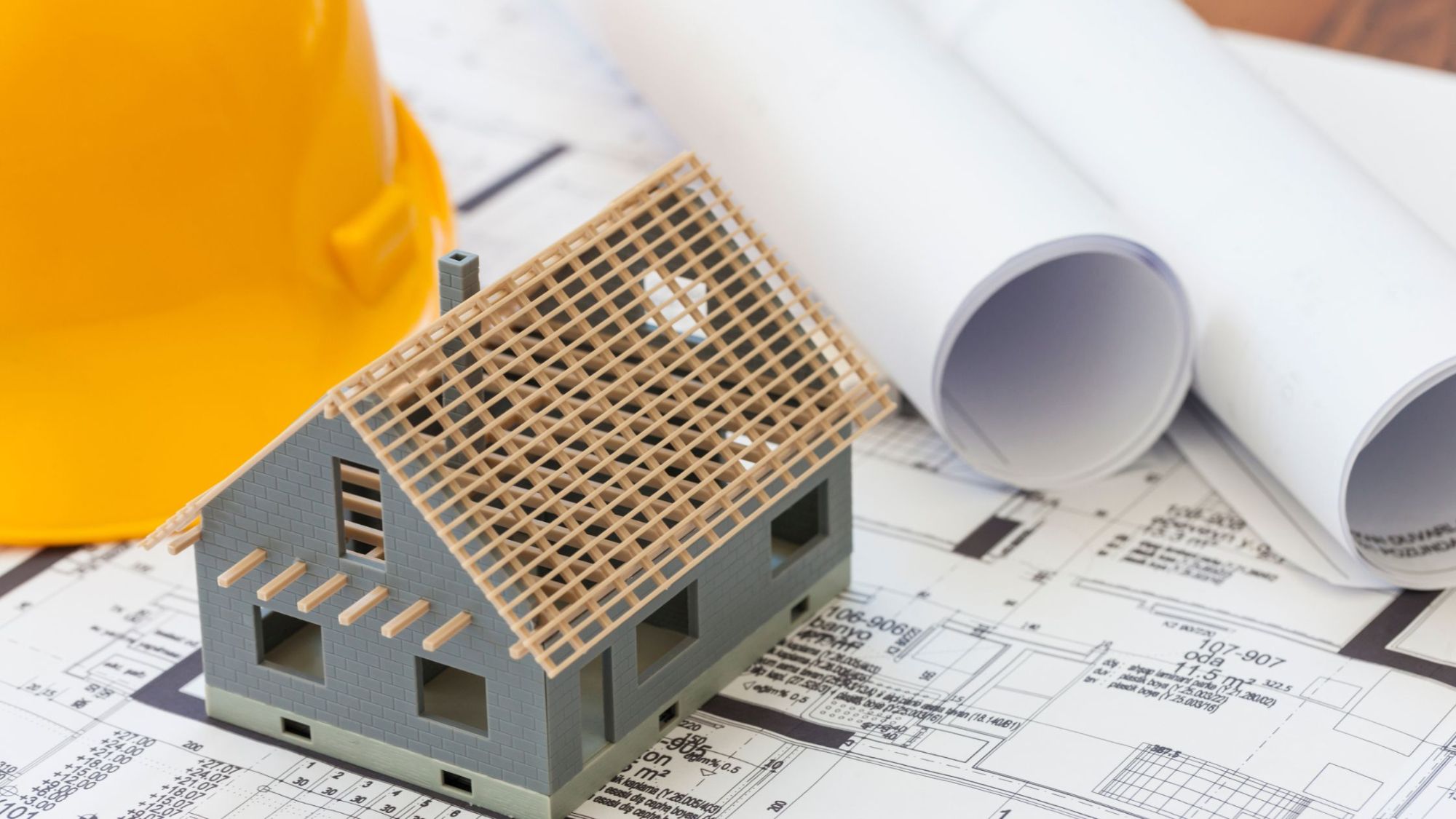
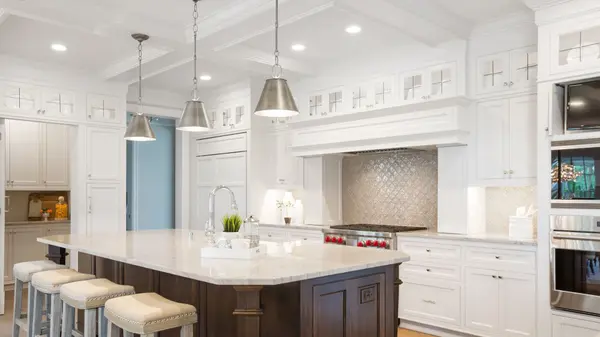
Most builders schedule this as one long session or split it into two appointments a week or so apart, often four hours each. It's genuinely hands-on: you'll typically review countertop and cabinet samples in person, walk through flooring and tile options, and go through plumbing and lighting fixtures together with a design consultant, since seeing materials next to each other is far more useful than scrolling through isolated photos online.
Come with a general sense of style already formed. Walking model homes, browsing your builder's own photo galleries, and noting what you keep gravitating toward before your appointment saves real time and decision fatigue once you're actually sitting across from a consultant with a clock running.
Which Choices Should You Prioritize, and Why?
Structural first, cosmetic last, not the other way around
One nuance worth knowing: fixture finishes are worth deciding as a set before you arrive, oil-rubbed bronze, chrome, satin nickel, since mixing them isn't wrong but is easy to do accidentally if you're picking room by room without a plan.
What's the Difference Between "Included," "Upgrade," and "Not Available"?
Ask for this in writing before you sit down
Request an itemized list of standard features and upgrade pricing before your appointment, not during it. This gives you a real starting point and helps you tell the difference between something that's genuinely included, something that costs extra, and something you'd need to source and install yourself after closing. This is the same gap covered in what to ask on your first builder model home tour, the model home you toured almost certainly isn't showing you the standard package.
Track the running total as you go, not just the price of each individual selection. It's easy to approve a $600 upgrade here and a $900 upgrade there and lose track of how it's adding up until you see the combined number at the end.
How Do Design Center Credits and Incentives Actually Work?
The terms matter as much as the headline number
Builders sometimes offer a design center credit as an incentive, a flat dollar amount or a percentage off once you spend a certain threshold. Ask specifically which selections the credit applies to, whether it expires by a certain date, and whether any unused portion has cash value or simply disappears. Builder incentives and what to check before you sign covers how to verify an incentive is a real discount rather than value already built into the price somewhere else.
What's the Change-Order Cutoff, and What Happens If You Change Your Mind Later?
Get the specific dates in writing, not a general timeframe
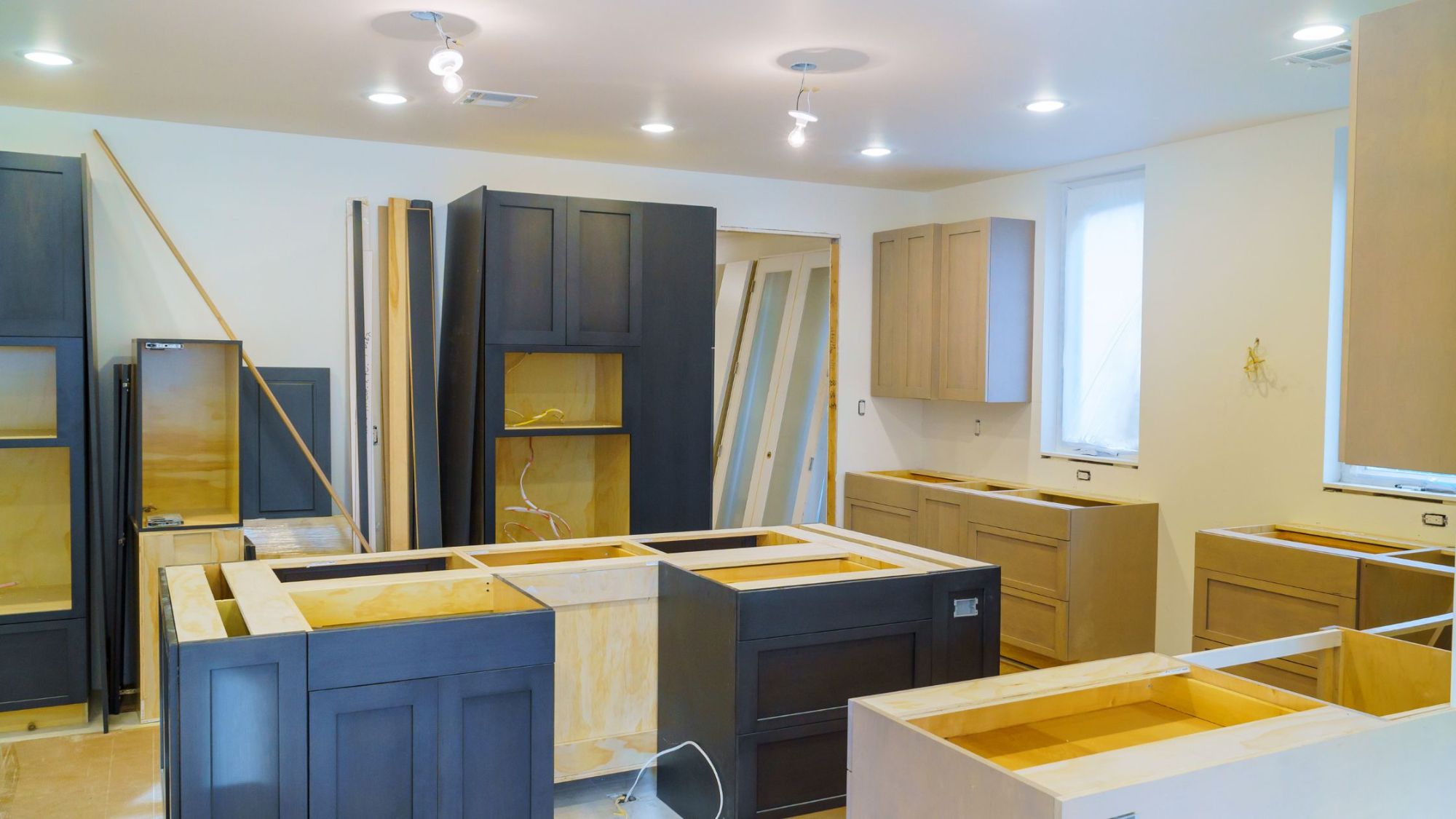
Most builders allow changes up to a certain point in construction, a countertop color before cabinets are installed, a tile choice before the bathroom is tiled, but that window isn't infinite, and it varies selection by selection. After a given stage passes, changes become expensive or simply impossible. Ask your design consultant for the specific cutoff dates at the time of your appointment, and get them in writing rather than relying on a verbal "you'll have time."
Some builders charge a change-order fee, commonly in the $250 to $500 range, once a selection is officially locked in. This ties directly into two things worth reading if you haven't already: what's actually in a builder's purchase agreement covers the change-order clause itself, and can I back out of a new construction contract covers what happens to design center deposits specifically if you cancel after selections are finalized.
Is It Smart to Roll Every Upgrade Into Your Mortgage?
Worth pausing on before you approve the running total
It's tempting to fold every upgrade into your construction loan and think about it later, but that upgrade total isn't just added to your purchase price, it's financed at your mortgage rate over the life of the loan, commonly 30 years. A $15,000 flooring upgrade financed that way costs meaningfully more than $15,000 by the time it's paid off. That doesn't mean skip every upgrade, it means run the real number through the affordability calculator before you approve a big one, rather than discovering the true cost on your first mortgage statement.
Energy-efficient upgrades are worth weighing a little differently, since they can pay you back over time rather than just costing more. Added insulation, for instance, can reduce heating and cooling costs by up to 20% according to the U.S. Department of Energy, which is a genuinely different calculation than a purely cosmetic upgrade with no ongoing return.
Are You Over-Upgrading for the Neighborhood?
A home also exists inside a market, not just your own taste

It's genuinely possible to spend well past what the neighborhood supports. Highly personal, ultra-high-end selections can create a value gap that doesn't fully come back at resale, since future buyers are comparing your home against others nearby, not against your personal taste alone. A useful gut-check before approving a major upgrade: would a buyer expect this finish at this price point in this specific community, or does it make the home harder to compare to what's around it?
This doesn't mean playing it safe on everything, it means being intentional about where personal style is worth the premium and where a broadly appealing, well-executed standard choice actually serves you better, both to live in and to eventually sell.
Buying New Construction? Start Here
Frequently Asked Questions
Builder design center appointments, common questions
What should I bring to my design center appointment?
Which design center choices matter most?
Can I change my design center selections after I've made them?
Should I finance my design center upgrades into my mortgage?
Can I over-upgrade a new construction home?
Getting Ready for Your Design Center Appointment?
Let's map out your priorities and budget before you sit down, so the exciting part stays exciting.
Book Your Free Discovery Session Run the Affordability Calculator Join Our Facebook GroupCategories
Recent Posts





GET MORE INFORMATION

Cassandra Marks
Realtor, Licensed in OR & WA License ID: 201225764
Realtor, Licensed in OR & WA License ID: 201225764