
Your First Year in a New Build: A Maintenance Checklist
Your First Year in a New Build: A Maintenance Checklist
A brand-new home isn't maintenance-free, it's going through a settling phase, and what you do (or skip) in the first twelve months affects what your builder's warranty will still cover.
What actually needs maintenance in the first year of a new build? More than most buyers expect. A new home goes through a genuine "settling phase" as framing lumber dries out and every material adjusts to the local climate for the first time, which is different from a resale home that's already settled. Priorities: change HVAC filters monthly rather than the usual every-three-months rule, since construction dust clogs them fast; monitor indoor humidity between 30% and 50%, per EPA indoor air quality guidance; document settling cracks and nail pops as they appear rather than requesting individual fixes; and check exterior grading after heavy rain. Most cosmetic items are best batched and addressed together at your 11-month warranty inspection.
"It's brand new, what could possibly need maintenance?" is a fair assumption, and it's also not quite right. A new build is a massive assembly of wood, concrete, and synthetic materials meeting the local climate for the very first time, and that first year is when it does most of its adjusting. Skip the small stuff now, and some of it turns into something you're paying for out of pocket later, after the warranty window closes.
This walks through what to do the week you move in, what's actually normal versus what's worth flagging, and how the whole first year builds toward one specific date: your 11-month warranty inspection, covered in more detail in what does the warranty actually cover. If something didn't get fixed from your closing walkthrough and you're not sure what to do about it, how to handle punch list items after you've already moved in covers that specific situation.
Why Does a Brand-New Home Need Maintenance in the First Year?
Because it's still "settling," literally

Every new home goes through a "settling phase" during its first twelve months. Framing lumber that arrived at the job site with some moisture content continues to dry out after the home is finished, which is exactly why minor drywall cracks and small gaps in trim show up during year one on homes that were built correctly. It's not a sign of a bad build, it's wood behaving like wood.
None of this makes a new home high-maintenance. If anything, a new build starts every system at zero: nothing is worn out, nothing needs replacing yet. The first year is less about repairs and more about learning your home, establishing a few good habits, and making sure nothing slips through before your warranty window narrows.
What Should You Do the Week You Move In?
A short list, before the boxes are even fully unpacked
How Often Should You Change HVAC Filters in a New Build?
More often than the standard rule you've heard
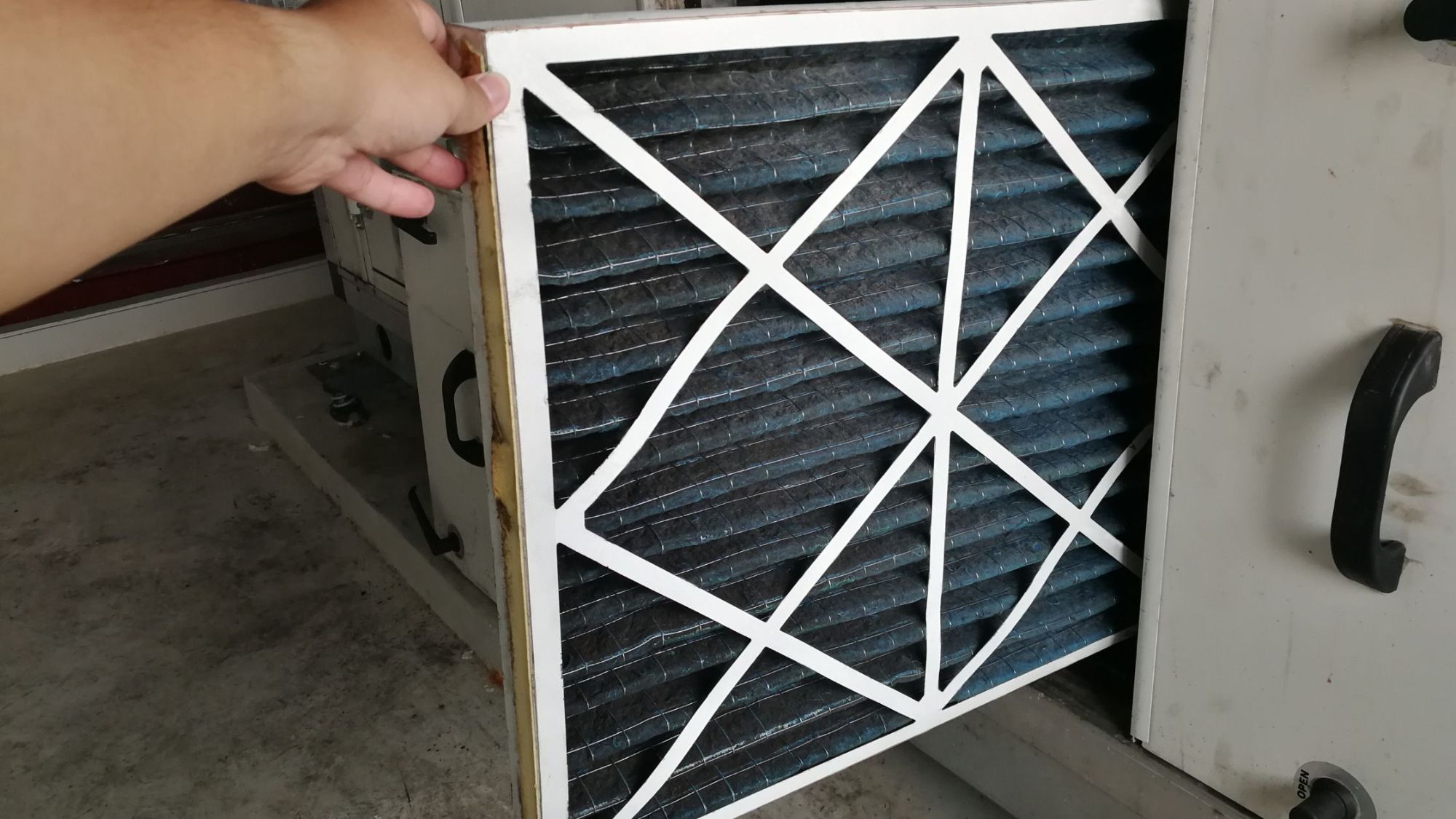
The usual guidance is every 60 to 90 days, but that assumes a home that's already been lived in for a while. During your first year, construction dust that settled into ductwork during the build gets stirred up as the system runs, clogging filters faster than normal. Check monthly for at least the first six months, and replace as needed rather than waiting for a calendar reminder that assumes a resale home's conditions.
The EPA's consumer guide to HVAC filters is worth a quick read if you're choosing a replacement filter, since filter ratings (MERV) vary in how much they actually capture versus how much they restrict airflow, and higher isn't automatically better for every system.
Are Settling Cracks and Nail Pops Normal?
Yes, and there's a specific reason to wait before fixing them
Minor drywall cracks near corners, small nail pops in trim, and hairline gaps where two materials meet are a normal part of the settling phase, not a construction defect. This is exactly the category of item covered under "normal wear and tear" exclusions on most builder warranties, detailed in what does the warranty actually cover.
The practical tip most buyers don't know: it's often worth waiting until closer to your 11-month mark to actually request these fixed, rather than calling your builder every time one appears. Fixing a settling crack too early, before the house has finished its full first-year cycle, sometimes means it reopens later and needs to be fixed twice. Mark the location, note the date, and let your running list build toward one coordinated warranty visit instead.
What Seasonal Checks Matter Most in Clark County?
Our specific climate has its own priorities
For a fuller picture of what maintenance actually costs locally, not just what to do, home maintenance costs in Vancouver, WA breaks down real local numbers for the bigger-ticket items.
How Do You Know What's Urgent vs. What Can Wait for the Warranty Visit?
A simple three-tier way to sort it

Sorting issues this way takes most of the anxiety out of the first year, since every discovery has an obvious next step instead of feeling like a decision you're not sure how to make.
Buying New Construction? Start Here
Frequently Asked Questions
First-year new construction maintenance, common questions
Does a brand-new home really need maintenance in the first year?
How often should I change my HVAC filter in a new construction home?
Should I get settling cracks fixed right away?
What indoor humidity level should I maintain in a new build?
How do I know if a first-year issue is urgent or can wait?
Just Moved Into Your New Build?
Let's make sure your first year, and your 11-month warranty inspection, actually go the way they're supposed to.
Book Your Free Discovery Session Run the Affordability Calculator Join Our Facebook Community GroupCategories
Recent Posts






GET MORE INFORMATION

Cassandra Marks
Realtor, Licensed in OR & WA License ID: 201225764
Realtor, Licensed in OR & WA License ID: 201225764