Can a Duplex or Fourplex Be Built Next to Your New Home?
Can a Duplex or Fourplex Be Built Next to Your New Home? What Vancouver's New Zoning Code Means for Buyers
It's the question neighbors are asking out loud right now. Here's what the rules actually allow, what they don't, and how to check an address before you buy.
Can a duplex or fourplex be built next to your new home in Vancouver, WA? In many cases, yes. Since the City's updated zoning code took effect July 31, 2026, middle housing can be built in Low-Scale and Medium-Scale Neighborhood zones, because state law requires Vancouver to allow it wherever detached single-family houses are allowed. The City also says most homes will likely remain unchanged, and whether anything gets built depends on the specific lot, the zoning, the economics, and any private covenants. Check all four before you buy.
If you've been to a neighborhood meeting or read the comments on a local news story lately, you've heard the worry: "What if they put a fourplex next to my house?" It's a fair thing to wonder about when you're about to make the biggest purchase of your life. It's also a question where the honest answer is "it depends," and where fear and facts get mixed together pretty quickly.
I'm not here to tell you whether the new rules are good or bad. People I respect disagree. What I can do is lay out what the City and the state have actually published, and give you a way to check any address you're considering. If you're still weighing the housing types themselves, my guide to condos and townhomes in Vancouver covers how they compare.
What Did Vancouver's New Zoning Code Actually Change?
More housing types, in more places
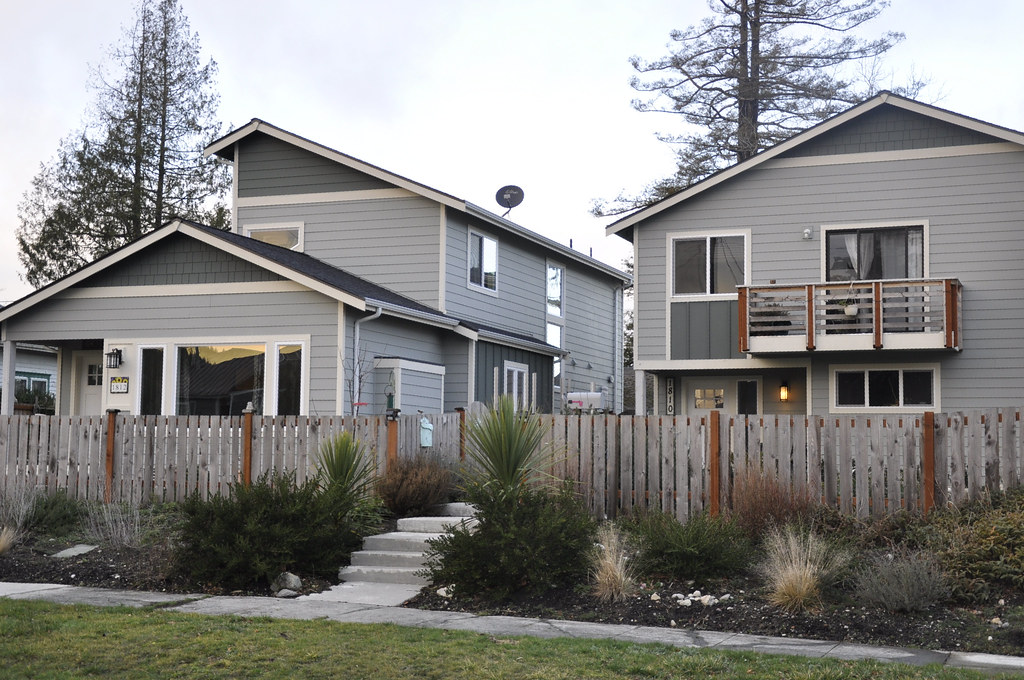
According to the City's middle housing FAQ, property owners can build middle housing in areas zoned Low-Scale Neighborhood and Medium-Scale Neighborhood. It could also happen in Mixed-Use Neighborhood and Regional Activity Center zones, though the City says that's less likely because of higher density requirements. Middle housing means duplexes, triplexes, fourplexes, sixplexes, rowhouses and townhouses, stacked flats, courtyard apartments, and cottage housing.
The driver is state law. Under 2023's HB 1110 and 2025's HB 2321, Vancouver and many other Washington cities must allow middle housing wherever detached single-family houses are allowed. Detached single-family houses are still allowed too, including in those same zones. The updated plan and code took effect July 31, 2026, and apply only within Vancouver's city limits, as covered in my breakdown of how prices and communities compare across Clark County. Outside the city, including its urban growth area, Clark County's own plan applies.
Will Your Neighborhood Actually Change?
The City's own answer is more measured than the headlines
The City's FAQ says it will be up to individual property owners whether to make changes, that most homes will likely remain unchanged, and that modest changes, if any, might look like a small house in a backyard or a single vacant lot developed with a duplex or triplex. It adds that neighborhoods with larger undeveloped properties may see new development, including middle housing options.
That matches how development tends to work: it has to pencil out. The Columbian has reported that local developers point to interest rates and land availability as major forces on how much gets built. I don't have local data showing how nearby infill affects the value of a specific home, and I'd be skeptical of anyone who claims they do. What I can say is that the places most likely to change are vacant or underused parcels, not fully built-out blocks.
Can an HOA or Neighborhood Covenant Stop a Fourplex Next Door?
It depends on when the covenant was created
This is the part most buyers don't know, and it cuts in a surprising direction. The Washington Legislature's House Bill Report on HB 1110 explains that governing documents of HOAs created after the bill took effect may not prohibit the construction or development of the housing types and density that cities must permit. The public-sector advisory group MRSC summarizes the result the same way: newer covenants generally can't restrict middle housing, with some exceptions, while a city permit doesn't override older private covenants.
Here's what that means for a buyer. An older community with recorded covenants limiting each lot to one single-family home may still be able to enforce them as a private contract. A brand-new community whose covenants were recorded after the law took effect generally can't use them to ban middle housing nearby. In other words, a new neighborhood can have less private protection than an older one, not more. That doesn't mean something will be built, it means you shouldn't assume the covenants will prevent it.
What Rules and Costs Still Apply to Middle Housing?
Allowed doesn't mean automatic
The City is explicit that other codes, requirements, and fees still apply. Maximum height and minimum density depend on the zoning district, and standards like setbacks, impervious area, and street-facing transparency depend on the building type the owner chooses. Vehicle parking is not required but is still allowed, and bicycle parking is required when there are more than six units on a lot.
The City also describes how projects are processed: one to six housing units on one lot and three or fewer floors above grade go through a residential building permit, while seven or more units or four or more stories require a land use process in addition to a commercial permit. I couldn't find a neighbor notice step described on the City's page for the smaller projects, so ask the City what notice applies to a specific address instead of assuming either way.
How Do You Check What Could Be Built Near a Home You're Buying?
Six things to do before you're under contract
The HOA documents and disclosures are worth a careful look either way, and I cover what else to review in what's actually in a builder's purchase agreement and new construction closing costs, property taxes, and HOA fees. Having your own agent run this checklist with you is part of what having a Realtor on a new construction purchase is for.
Should This Change Whether You Buy New Construction in Vancouver?
It's a reason to do your homework, not a reason to panic
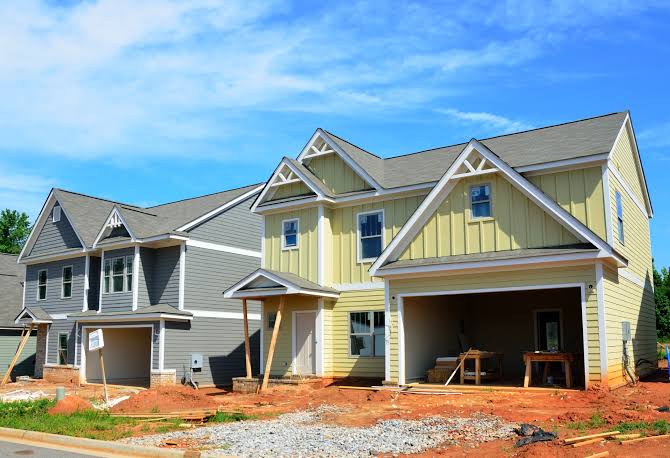
For most buyers, no. The rules are new, the City itself expects most homes to stay as they are, and building anything still has to make financial sense. But it should change one habit: don't treat "quiet street, single-family neighborhood" as a permanent guarantee about the land around you. Treat it as the current state, and check what the zoning and covenants allow.
Some buyers will see this as a reason to look at established communities with older covenants. Others see more housing options as a plus for affordability and for how they might use their own lot someday. Both are reasonable. If you're comparing communities across the county, new construction homes for sale in Vancouver, WA is a good place to see what's available, and I'm happy to walk through the zoning for any address you're considering.
Frequently Asked Questions
Middle housing and your neighborhood, common questions
Can they build a fourplex next to my house in Vancouver, WA?
When did Vancouver's new zoning code take effect?
Can my HOA prohibit duplexes or fourplexes?
Will my neighborhood change a lot because of middle housing?
How do I find out what's allowed next to a specific address?
Does this apply outside the city of Vancouver?
Looking at a Specific Address and Want a Second Opinion?
Send me the address and I'll walk through the zoning, the neighboring parcels, and what to ask before you commit.
Book Your Free Discovery Session Run the Affordability CalculatorCategories
Recent Posts







GET MORE INFORMATION

Cassandra Marks
Realtor, Licensed in OR & WA License ID: 201225764
Realtor, Licensed in OR & WA License ID: 201225764