
Why New Homes Cost What They Do: Impact Fees and Permit Costs in Clark County
Why New Homes Cost What They Do: Impact Fees and Permit Costs in Clark County
Before a builder pours a foundation, thousands of dollars in government fees are already part of the math. Here's what they are and what they cost.
What are impact fees on new construction in Vancouver, WA? One-time charges builders pay to help fund the roads, parks, and schools that growth requires. According to the City of Vancouver's published schedule, the park fee is $6,130 per single-family unit, the school fee ranges from $0 to $10,760 depending on school district, and the traffic fee ranges from $2,006 to $3,750 depending on transportation district. Together that's roughly $8,100 to $20,600 per new single-family home, before permit, plan review, and utility connection fees. Builders pay these, and they factor them into what a new home costs.
When buyers ask me why new homes cost what they do, the usual answers are land, lumber, and labor. There's a fourth bucket that almost never gets mentioned, and it's government fees, charged before the first shovel hits the ground. They're not a secret. They're published. They just don't show up on a brochure.
This breaks down what impact fees are, what the City of Vancouver actually charges right now, how builders can defer them, and what they do and don't mean for your price. For the construction side of the cost, what it costs to build a house in Vancouver, WA & Clark County covers per-square-foot numbers, and this page fills in the government piece.
What Are Impact Fees, and Who Pays Them?
One-time charges tied to growth
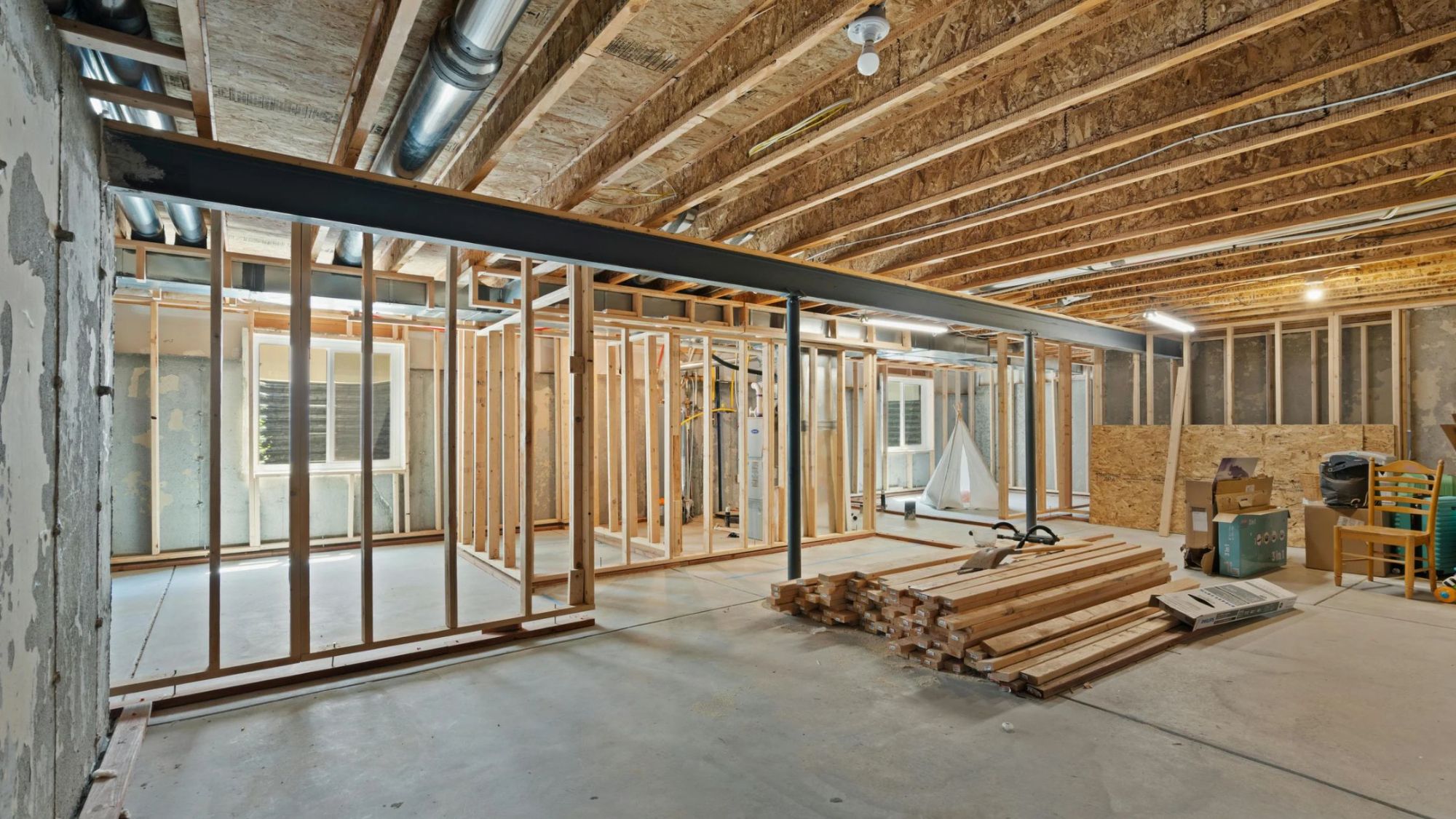
Under Washington's Growth Management Act, counties, cities, and towns can charge impact fees on new development to help pay for the public facilities growth requires. The authority comes from RCW 82.02.050, and the fees go toward things like roads, parks, schools, and fire protection. The City of Vancouver describes them as one-time charges imposed by local governments to help fund new or expanded public services, infrastructure, and transportation facilities.
They're charged to the builder or developer, typically when the building permit is issued. You won't see an "impact fee" line on your loan estimate. They're a cost the builder carries, which is exactly why they're easy to miss.
What Do Impact Fees Cost in Vancouver, WA Right Now?
Straight from the City's published schedule
Here's what the City of Vancouver lists per new single-family unit. These apply within city limits only.
School Impact Fees (by School District)
Park and Traffic Impact Fees
Add the park fee, one school fee, and one traffic fee for a given address and you get the total. By my math from the City's own schedule, the low end is about $8,136 (Evergreen school district plus the Columbia transportation district) and the high end is about $20,640 (Battle Ground school district plus Pacific). That's before plan review, permit, and utility connection fees, and it's my addition of published figures, not a number the City publishes as a total.
Notice how much the school district matters. That's one more reason to know exactly which district an address falls in, which I cover in which Clark County school districts carry the strongest reputations. In the City's own code, school fees are calculated separately for each participating district using that district's capital facilities plan, which is why they vary so much.
Can Builders Defer Impact Fees?
Yes, and state law requires jurisdictions to allow it
Under RCW 82.02.050, jurisdictions that collect impact fees must offer a deferral process for new single-family detached and attached homes if the builder asks. The fees can be deferred until final inspection, the certificate of occupancy, or the closing of the first sale, and the deferral can't run longer than 18 months from the date the building permit is issued. The Washington Legislature's own JLARC report on impact fee deferral programs summarizes how this works, including that local governments can withhold final inspection or the certificate of occupancy until deferred fees are paid.
Why it matters to you: if a home's fees are deferred to closing, they're being paid out of the builder's side of that transaction. It's worth confirming with your escrow officer that any deferred impact fees on your home are settled as the seller's obligation and aren't showing up as a charge to you. The City's 2026 schedule lists no charge for the administrative impact fee deferral on single-family housing, which makes deferral an easy, common option for builders.
Do Impact Fees Raise the Price of a New Home?
They're part of the cost, but no one can say how much comes back to you
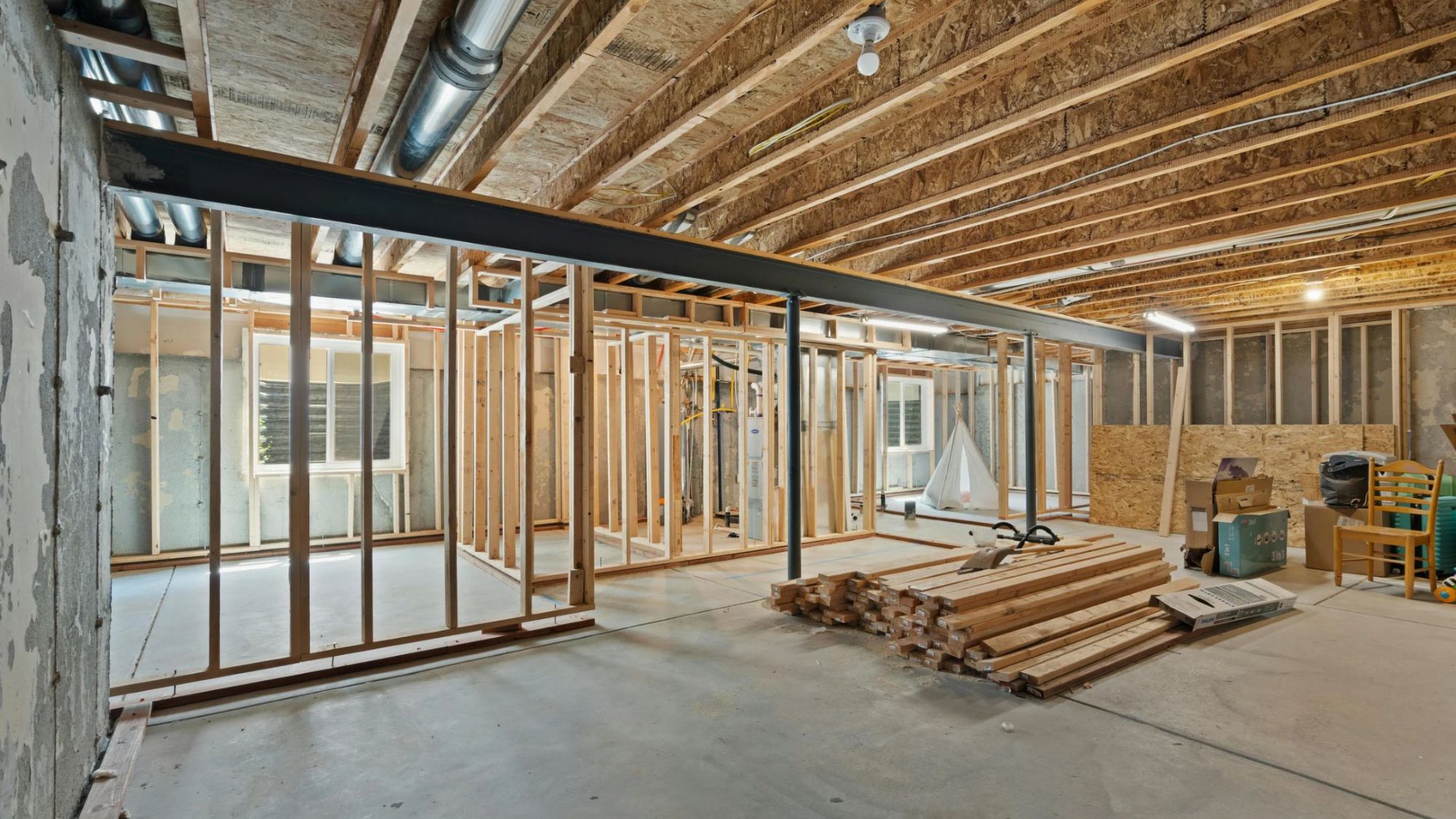
Builders weigh their costs when they price a home, and fees are a known cost. Take the roughly $565,000 median price I cite for Vancouver's top new construction areas in buying new construction in Vancouver, WA: the fee range above works out to roughly 1.4% to 3.7% of that price. That's meaningful, but it isn't the whole story, and it doesn't mean a builder passes fees through dollar for dollar. Prices are set by what the market will pay, and builders absorb or adjust depending on demand.
The direction of costs is worth knowing. The Columbian reported that Clark County approved 6 to 7 percent increases to land use and wetland and habitat review fees starting in 2027, plus a 2.5 percent technology fee, following similar increases in 2024 and 2025. The same story notes about 30 percent of building permits submitted to the county fall under those reviews, and the increases are expected to raise about $163,000 a year, so these specific fees are small next to impact fees. Local developers have also pointed to interest rates and land availability as bigger forces on how much gets built, so fees are one piece of a larger picture.
What Should You Do With This as a Buyer?
Mostly, know where the money goes and ask the right questions
If you want to see how the full picture compares, new construction versus resale in Vancouver, WA covers the price side, and how long it takes to close on new construction covers the permit timeline, including Clark County's 60-day review program.
Frequently Asked Questions
Impact fees and permit costs on new construction, common questions
What are impact fees on new construction?
How much are impact fees in Vancouver, WA?
Who pays impact fees, the builder or the buyer?
Can builders defer impact fees until closing?
Why are school impact fees different by district?
Do impact fees make new homes more expensive than resale homes?
Comparing New Construction Prices Across Cities?
Let's look at what's driving the difference between communities, fees, schools, and location, before you pick one.
Book Your Free Discovery Session Run the Affordability Calculator Join Our Facebook GroupCategories
Recent Posts








GET MORE INFORMATION

Cassandra Marks
Realtor, Licensed in OR & WA License ID: 201225764
Realtor, Licensed in OR & WA License ID: 201225764