
What Happens If a Builder Misses the Completion Date?
What Happens If a Builder Misses the Completion Date?
That "estimated" completion date in your contract isn't a promise. Here's what your agreement likely allows, and how to protect yourself before you sign.

You signed your builder's purchase agreement, picked your finishes, and circled a completion date on the calendar. Then it comes and goes. No move-in. No firm new date, either - just "we're a few weeks out." If this sounds familiar, or you're trying to understand your contract before it happens to you, this one's for you.
This is one of the more common new construction mistakes buyers run into - not because they did anything wrong, but because this specific clause is easy to skim past when you're deciding between new construction and resale and getting excited about floor plans. Today we're zooming in on the one clause that trips up more buyers than almost anything else in that contract: the completion date, and what actually happens when it slips.
Quick note: I'm a REALTOR®, not an attorney. This is meant to help you understand the general landscape and ask the right questions - always have a real estate attorney review your specific purchase agreement before you sign.
"Estimated" Completion Date: The Two Words That Matter Most
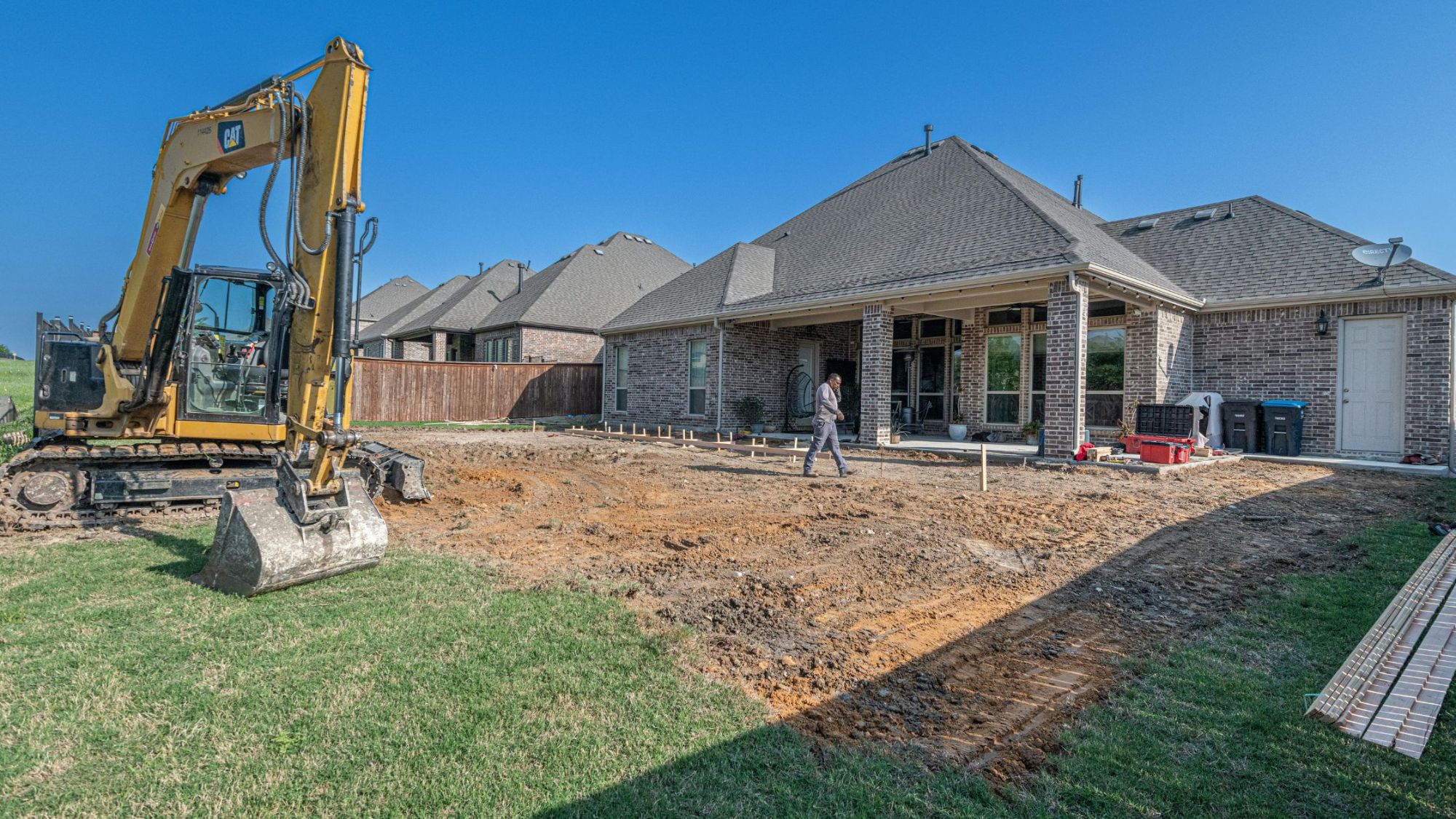
Here's the thing almost nobody clocks at signing: that completion date on page three usually has the word "estimated" or "anticipated" sitting right in front of it. That single word does a lot of legal work. It means the builder isn't promising you a move-in day - they're giving you their best guess based on where the project stands today.
Most builder agreements go a step further and explicitly reserve the right to extend that estimate for a defined list of reasons. It's not hidden, exactly - it's usually right there in the contract. It's just easy to skim past when you're three pages deep in exhibits and excited about your new kitchen layout.
Why Builders Actually Miss Completion Dates
Delays are rarely about a builder being careless. In Clark County specifically, a few causes come up again and again.
There's also a fifth cause worth naming honestly: your own change orders. If you upgraded a finish, moved an outlet, or swapped a fixture after construction started, that request went into a queue and may have pushed your own completion date back. It's worth asking your builder directly whether any current delay is weather- or supply-related, or tied to a change order you approved.
What Your Specific Contract Probably Says - and Why It Varies
This is the part where I have to be honest: there's no single universal answer, because builder contracts genuinely differ from one builder to the next, and sometimes from one community to the next within the same builder. That said, most agreements fall into a version of these patterns.
An "Outside Date" or Drop-Dead Date
Many contracts include a final outside date - often 60, 90, or 180 days beyond the original estimate - past which the buyer gains the right to cancel. Whether that cancellation actually gets you your earnest money back depends on the exact wording of that clause, which is why it's worth locating and understanding before signing, not after a delay is already underway.
Per Diem Delay Penalties (Sometimes)
Some agreements include a small daily credit paid to the buyer once a delay crosses a certain threshold. Where this exists, the amounts are usually modest and rarely cover the buyer's actual out-of-pocket costs, but it's a real contractual protection worth checking for.
No Hard Cancellation Right at All
And then there are contracts that simply don't include a firm outside date or cancellation trigger - the builder can extend more or less indefinitely as long as they're making documented progress. This is more common than buyers expect. If you're wondering whether you have any way out of a contract like this, I've covered that question directly in can I back out of a new construction contract - and it's exactly the kind of language a buyer's agent or attorney will flag before you sign, when you still have leverage to negotiate it.
The Delay Risk Most Buyers Don't See Coming: Your Rate Lock

Of everything in this article, this is the one that catches new construction buyers most often - and it has nothing to do with the builder's contract at all. It's about yours with your lender.
Mortgage rate locks are time-limited, typically somewhere in the 30–90 day range depending on your lender and loan product. When you locked your rate, it was almost certainly built around the estimated completion date you were given. If the builder's timeline slips and your closing pushes past your lock expiration, you're generally looking at one of a few outcomes: paying an extension fee to hold your locked rate longer, re-locking at whatever the current market rate is (which could be higher or lower than your original lock), or floating the rate until closing.
How to Protect Yourself Before You Ever Sign
Every one of these issues is far easier to handle proactively than reactively. A few concrete steps:
Have your own agent review the contract. The builder's on-site sales rep represents the builder, not you - that's true even when they're friendly and helpful, which most are. A buyer's agent reads the completion date, extension, and cancellation clauses specifically looking out for your interests. This is also when your agent can help you evaluate any builder incentives you're being offered against the risk of a longer timeline, and in most new construction transactions, the builder pays that agent's commission, so it doesn't cost you anything extra to have that protection.
Ask about extended or float-down rate lock options early. Don't wait until a delay is already underway to find out what your lender offers for exactly this scenario.
Build in a housing buffer if you're selling your current home. If your closing timeline is tight against a home sale or lease end date, build in a cushion, or talk through a bridge or rent-back option with your agent before you're under time pressure.
Ask the builder directly what's causing any active delay. Weather and permitting delays are largely outside anyone's control. A pattern of vague or shifting answers is worth paying attention to.
The Bottom Line
Completion date delays are one of the most common frustrations in new construction, and they're rarely a sign that anything has gone wrong - they're usually just permitting, weather, or supply chain reality catching up with an optimistic early estimate. The real risk isn't the delay itself. It's not knowing what your specific contract allows for, and not having a rate lock plan in place, until you're already living it.
If you're still deciding where to build, my breakdown of the best new construction neighborhoods for 2026 is a good place to start. And if you're considering new construction in Clark County and want a second set of eyes on a purchase agreement before you sign - or you're mid-build and trying to understand your options - reach out. This is exactly the kind of question I help buyers work through every day.
New Construction Completion Delays - Common Questions Answered
Is the completion date in a new construction contract guaranteed?
Can I cancel my contract if the builder misses the completion date?
What happens to my mortgage rate lock if closing is delayed?
Do builders ever pay penalties for missing the completion date?
What are the most common reasons builders miss completion dates?
Should I have my own agent when buying new construction?
Buying New Construction? Let's Review the Contract Together.
Whether you're about to sign or already mid-build and navigating a delay, I'll help you understand exactly what your contract allows and how to protect yourself - at no added cost, since builders typically cover the buyer's agent commission.
Schedule a New Construction Consultation Contact CassandraCategories
Recent Posts










GET MORE INFORMATION

Cassandra Marks
Realtor, Licensed in OR & WA License ID: 201225764
Realtor, Licensed in OR & WA License ID: 201225764