
Earnest Money on New Construction: Refundable?
Earnest Money on New Construction: How Much, and Is It Refundable?
Typical deposit amounts, how escrow works differently on a builder purchase, and when your earnest money stops being refundable, before you write the check.
How much earnest money do you need for new construction? Typically 1% to 5% of the purchase price, higher than the 1% to 3% typical on a resale home, and sometimes up to 10% on custom or high-end builds. Whether it's refundable depends entirely on the contingencies in your specific purchase agreement, not a blanket rule. Washington law (RCW 64.04.005) generally caps a seller's forfeiture remedy at 5% of the purchase price when the contract's remedy clause meets the statute's requirements. Unlike most resale transactions, some builders hold the deposit directly rather than placing it in neutral third-party escrow, and many builder contracts make earnest money, along with design center selections, non-refundable once construction starts.
This question comes up right after "can I back out of the contract," and for good reason, they're really the same conversation. Earnest money is the first real money on the table in a new construction purchase, and new construction handles it differently than a resale deal does, in ways that catch a lot of first-time builder buyers off guard.
This covers how much builders typically ask for, how escrow works (or doesn't) on a new construction deposit, and exactly when that money stops being refundable. If you haven't read it yet, can I back out of a new construction contract covers the broader legal picture, including Washington's specific rules on forfeiture, that this page builds directly on.
How Much Earnest Money Do You Need for New Construction?
Typically higher than a resale purchase
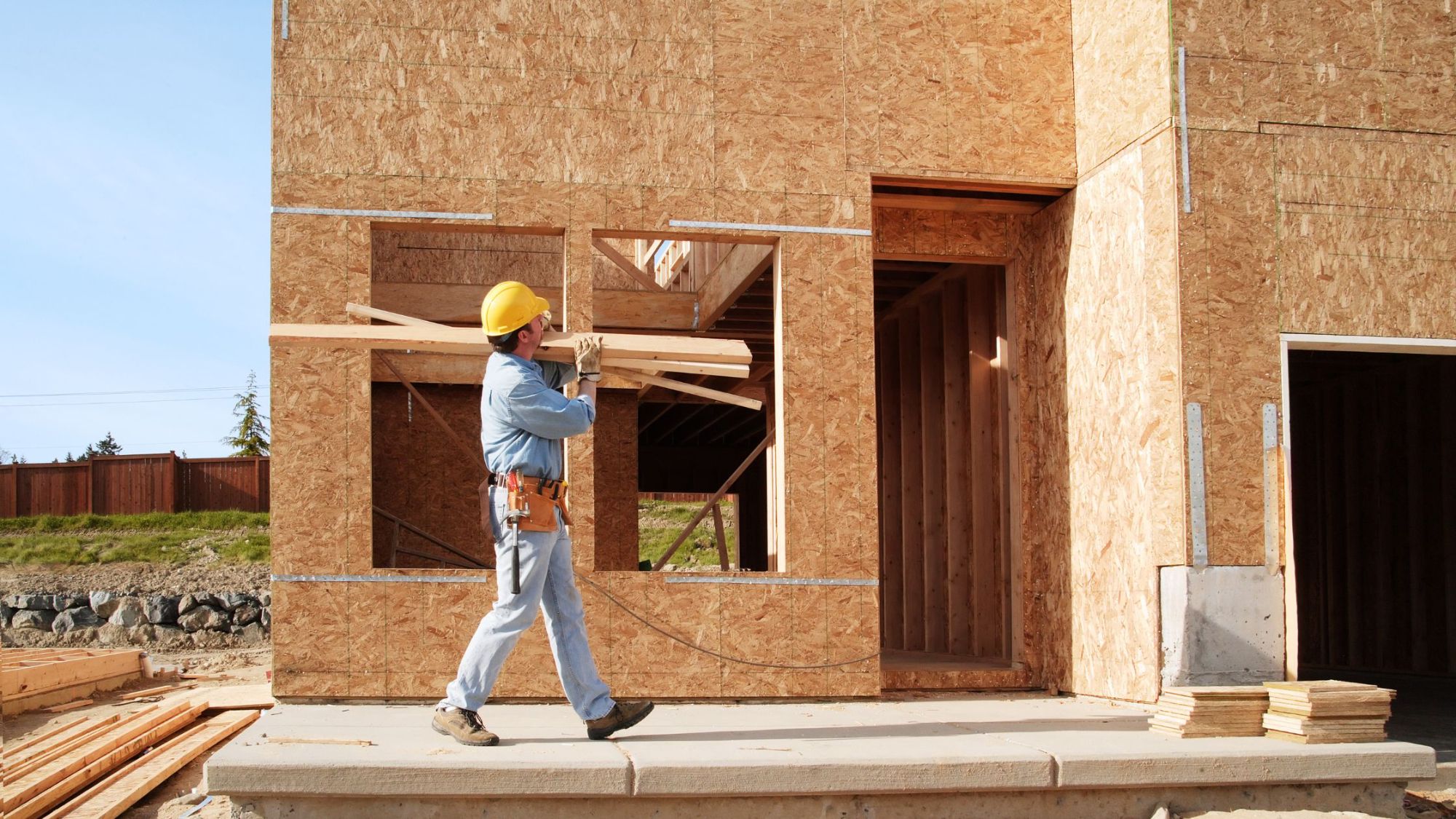
Most new construction earnest money deposits fall between 1% and 5% of the purchase price. On a $565,000 home, that's roughly $5,650 to $28,250. Custom builders and higher-end projects sometimes ask for more, up to 10% in some cases, since the builder is committing real capital and time to your specific home well before it's finished.
That's noticeably higher than the typical 1% to 3% deposit on a resale purchase. The reason is straightforward: a resale seller already has a finished, sellable asset if you back out. A builder has committed land, permits, and often materials specifically for your build, so the deposit reflects more of that upfront exposure.
Is Earnest Money on New Construction Refundable?
It depends entirely on your contract, not on a general rule
Sometimes, and the honest answer is "it depends on your specific contract's contingencies," not a blanket yes or no. If your purchase agreement includes a financing contingency and your loan falls through despite a genuine, good-faith effort, that typically protects your deposit. Cancel outside a valid contingency, and you're generally looking at forfeiture.
In Washington, RCW 64.04.005 generally caps a seller's forfeiture remedy at 5% of the purchase price, when the contract's remedy language meets the statute's specific requirements. If your deposit exceeds that 5% cap, or the remedy clause doesn't meet those requirements, you could be exposed to more than just losing the deposit under common law. Can I back out of a new construction contract covers this in full, including what Washington law actually requires versus what buyers often assume.
Does New Construction Earnest Money Go Into Escrow, or Does the Builder Keep It?
A real difference from a typical resale purchase
On a resale purchase, earnest money almost always sits in a neutral third-party escrow account, held by a title company or escrow agent who isn't the buyer, seller, or either of their agents, until closing. New construction doesn't always work that way. Some builders hold the deposit directly and may use it toward construction costs rather than placing it in a neutral escrow account, since they're financing the build itself, not just waiting to sell a finished product.
The Consumer Financial Protection Bureau specifically addresses this: if you're purchasing a home that isn't built yet, your builder may ask for an upfront "builder deposit," which is the CFPB's term for earnest money on new construction specifically. Under RCW 64.04.220, Washington law addresses how earnest money is defined and how the holder of those funds must handle them once a dispute arises, but the specific arrangement, escrow versus builder-held, is set by your contract. Ask directly, in writing, where your deposit will actually sit before you write the check.
What's the Difference Between Earnest Money and a Down Payment?
Connected, but not the same thing

Earnest money is a good-faith deposit paid when you sign your purchase agreement, well before closing. A down payment is the portion of the purchase price you pay in cash at closing, as part of financing the home. They're connected: your earnest money is typically applied toward your down payment or closing costs once the sale closes, so it's not money on top of what you already budgeted, it's an early installment of it.
The CFPB's own definition puts it plainly: earnest money shows good faith on a signed contract, and if the sale closes, it's applied to closing costs or the down payment. If the contract is terminated for a permissible reason, it's returned to the buyer; if the buyer doesn't perform in good faith, it can be forfeited to the seller.
When Does Earnest Money Become Non-Refundable on New Construction?
Usually tied to build milestones, not just a calendar date
The specific milestone varies by builder and isn't always obvious from a casual read of the contract. Ask directly, before you sign: at what point, specifically, does my earnest money stop being refundable, and is that the same milestone that applies to my design center selections?
What Should I Check Before I Write My Earnest Money Check?
Four questions worth asking directly
This is precisely the kind of language a buyer's agent reviews closely before you sign, not after you're asking where your money went. Do I need a Realtor when buying new construction covers the rest of what representation catches in a builder's contract.
Buying New Construction? Start Here
Frequently Asked Questions
Earnest money on new construction, common questions
How much earnest money do you need for new construction?
Is earnest money refundable on new construction?
Does new construction earnest money go into escrow?
Is earnest money the same as a down payment?
When does earnest money become non-refundable on a new construction purchase?
About to Write an Offer on New Construction?
Let's go through the earnest money and remedy language in the actual contract together before you write that check.
Book Your Free Discovery Session Run the Affordability Calculator Join Our Retiree Facebook CommunityCategories
Recent Posts








GET MORE INFORMATION

Cassandra Marks
Realtor, Licensed in OR & WA License ID: 201225764
Realtor, Licensed in OR & WA License ID: 201225764