Production vs Semi-Custom vs Custom Homes | Realtor Cas
Production, Semi-Custom, or Custom: Which New Construction Type Is Right for You?
Three genuinely different paths, with different costs, timelines, and how much say you actually get, before you ever set foot in a model home.
What's the difference between production, semi-custom, and custom new construction? Production homes come from a builder's pre-set plans on land the builder already controls, with limited customization, the fastest timelines (6 to 10 months), and the lowest cost per square foot, roughly $130 to $180 here in Clark County. Semi-custom homes start from an existing plan library but allow moderate modifications, running $180 to $260 per square foot. Fully custom homes are designed from scratch with an architect, typically on land the buyer sources themselves, cost $260 to $400+ per square foot locally, and take 12 to 18 months. Financing differs too: production homes generally use a standard mortgage, while custom builds often require a construction-to-permanent loan instead.
This is usually the very first decision, before you've toured a single model home or talked to a single lender. It also gets confused constantly, "semi-custom" gets used loosely by builders to mean everything from a few paint color choices to genuinely moving walls, so it's worth understanding what each term actually means before you start touring communities.
This breaks down what you actually get with each type, how cost and timeline compare here in Clark County specifically, and how to think through which one fits your situation. For the full cost breakdown by tier, what it actually costs to build a house in Vancouver, WA & Clark County goes deeper on the numbers referenced here.
What's the Difference Between Production, Semi-Custom, and Custom Homes?
The short version, before the details
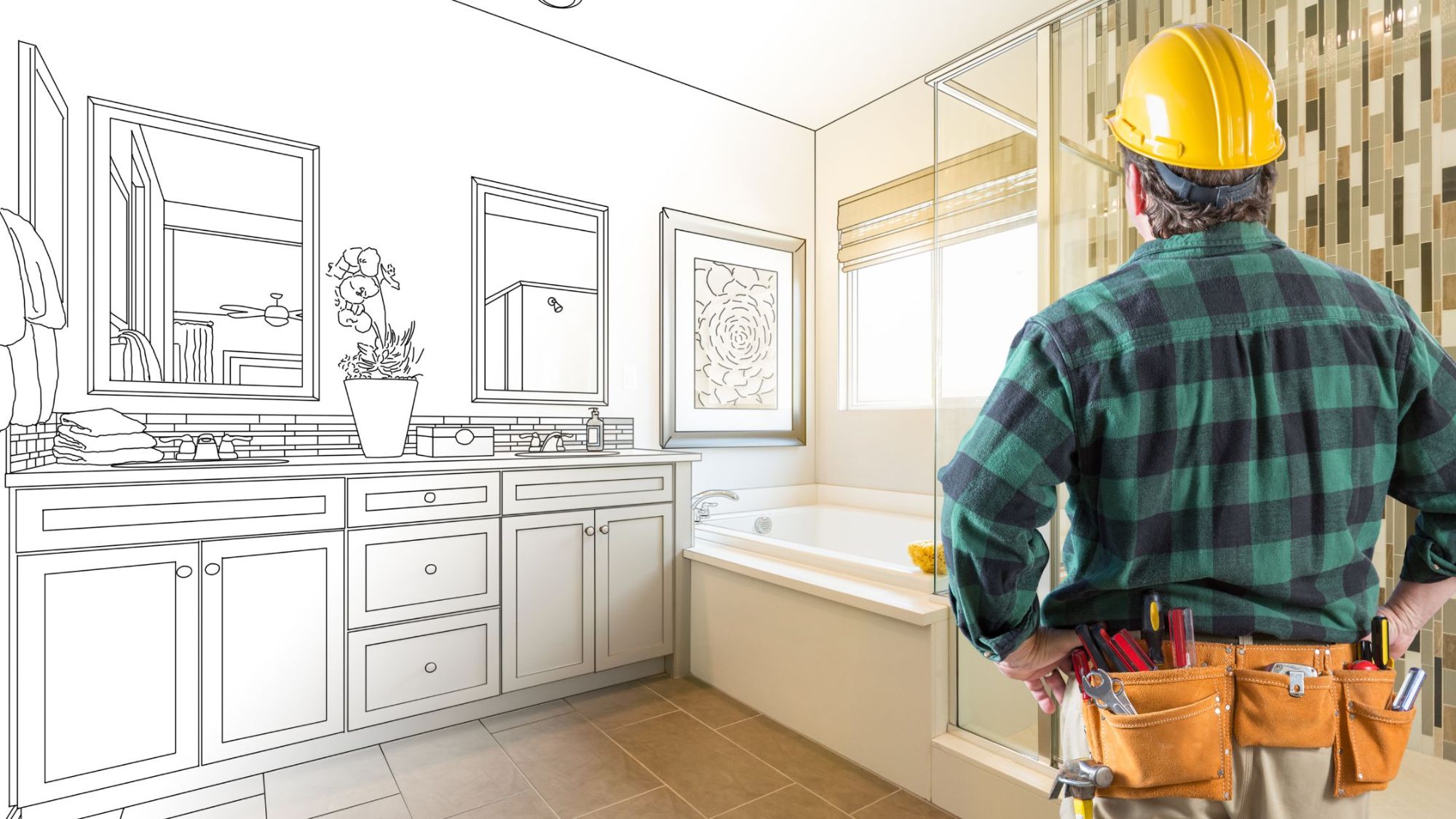
A production home is built from a predetermined set of plans, usually in a larger community on land the builder already controls, with customization limited to a menu of pre-approved options. A semi-custom home starts from a builder's existing plan library, but you can request real modifications within limits the builder sets, moving a wall, enlarging a room, changing the exterior. A fully custom home starts from a blank page, designed specifically around one buyer, one property, and one way of living, typically with an architect involved from day one.
None of these is objectively better. They're three different trade-offs between speed, cost, and how much control you want over the final result.
What Do You Actually Get With a Production Home?
Speed, predictability, and the lowest cost per square foot
Production builders work at volume, an entire neighborhood built from a shared library of floor plans and finish packages, often labeled something like "Package A" or "Package B." Personalization is usually limited to selections within that package, cabinet color, flooring, countertop tier, rather than structural changes. What you give up in customization, you get back in speed, predictability, and price, this is usually the fastest and least expensive path to a genuinely new home.
This is also the type of home you'll find in most active Clark County communities right now; browse current listings in Vancouver, WA, Ridgefield, WA, or Camas, WA to see what production communities in the area actually look like right now.
What Does Semi-Custom Actually Let You Change?
Real modifications, but within a box the builder sets
Semi-custom builders still work from a portfolio of existing plans, but they're generally willing to adjust them: bump out a breakfast nook, add a third garage bay, reconfigure a layout, upgrade beyond the standard finish packages. You get meaningfully more input than a production buyer, more style choices in flooring, lighting, and fixtures specifically, but you're still working within a builder-defined box, not starting from nothing.
The important thing to ask before you fall in love with a plan: exactly what can change, and does the builder allow structural modifications or mostly just decorative upgrades? Significant architectural changes can push semi-custom pricing close to full-custom territory fast, since the builder's streamlined process isn't set up for one-off engineering the way a true custom build is.
What Makes a Home "Fully Custom"?
No preset plan, and usually your own land
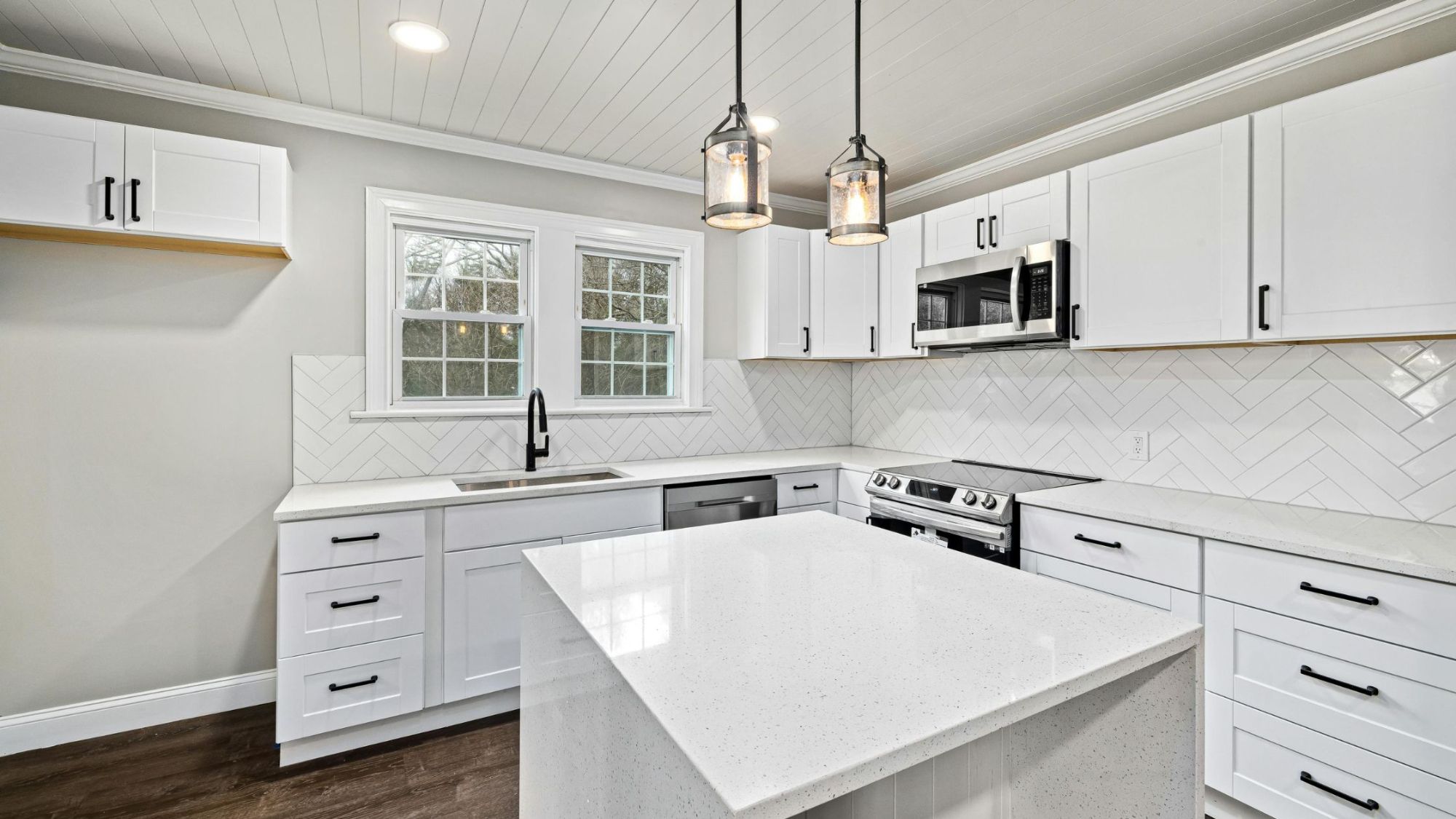
A true custom home starts with a blank page, or a concept, developed from there with an architect and a builder you've sourced independently. There are no preset floor plans to work within, the home is designed entirely around your lifestyle and your specific lot. Custom builders are often smaller, sometimes boutique operations, and the process demands far more decision-making from you throughout, in exchange for a genuinely one-of-a-kind result.
This is also where financing looks meaningfully different, covered next, and where the longest timelines in how long does it really take to close on new construction come from.
Does Financing Work Differently Depending on the Type?
Yes, and it's worth knowing before you fall in love with a plan
Production homes almost always finance like a resale home would, a standard mortgage, since the builder is selling you a finished or nearly-finished product. Semi-custom varies more by builder; some finance the build themselves and hand you off to a standard mortgage at closing, others use a different structure entirely. Fully custom builds most often require what's called a construction-to-permanent loan, a single loan that covers the construction phase and then converts into a regular long-term mortgage once the home is finished, a structure HUD's own Single Family Housing Policy Handbook recognizes and insures under FHA for qualifying borrowers.
This matters for budgeting well before you're deep into a build, since a construction-to-permanent loan involves different qualification steps and timing than a standard mortgage does. Run your numbers early with the new construction home affordability calculator, and talk to your lender specifically about which financing structure applies to the build type you're actually considering.
How Do Cost and Timeline Actually Compare in Clark County?
Real local numbers, not national averages
Semi-custom's timeline genuinely depends on scope: modest changes to an existing plan barely add time over a production build, while significant structural modifications push both cost and schedule toward custom territory. Full breakdowns of what drives these numbers are in cost to build a house in Vancouver, WA & Clark County and how long does it really take to close on new construction.
Which One Is Actually Right for You?
A quick way to think through it
Whichever path you're leaning toward, having your own representation reviewing the builder's contract still matters the same amount; do I need a Realtor when buying new construction covers why that holds true regardless of which type you choose.
Buying New Construction? Start Here
Frequently Asked Questions
Production, semi-custom, and custom homes, common questions
What's the difference between a production home and a custom home?
What does semi-custom actually mean?
Is a production home cheaper than a custom home?
Does financing work differently for a custom home versus a production home?
How much longer does a custom home take to build than a production home?
Not Sure Which Path Fits Your Situation?
Let's talk through your budget, timeline, and how much control over the final result actually matters to you.
Book Your Free Discovery Session Run the Affordability Calculator Join Our Facebook GroupCategories
Recent Posts




GET MORE INFORMATION

Cassandra Marks
Realtor, Licensed in OR & WA License ID: 201225764
Realtor, Licensed in OR & WA License ID: 201225764