
How Long Does It Really Take to Close on New Construction, Start to Finish?
How Long Does It Really Take to Close on New Construction, Start to Finish?
Real national data, what actually happens at each build phase, and how the timeline affects your financing window, so you can plan around it instead of guessing.
How long does it take to close on new construction, start to finish? Nationally, about 9.1 months from authorization to completion, according to the U.S. Census Bureau's 2024 Survey of Construction. Homes built specifically for sale, the kind most production and spec builders in Clark County are building, tend to move faster, often in the 6 to 8 month range. Production homes in an active community typically run 6 to 10 months start to finish; fully custom builds typically run 12 to 18 months. Clark County's own 60-Day Development Review program guarantees construction approval within 60 calendar days if no holds occur during review, worth knowing before you assume permitting is the long pole in your specific timeline.
"So realistically, when would we actually move in?" is one of the first questions almost every new construction buyer asks, and it's a fair one. The honest answer has a national baseline, a local wrinkle specific to Clark County, and then your actual builder's current backlog on top of both.
This walks through the real data, what happens at each build phase, what typically adds time, and how all of this ties back to your financing contingency window. If you haven't seen it yet, what it actually costs to build a house in Vancouver, WA & Clark County pairs directly with this one, since cost and timeline are really the same planning question asked two ways.
How Long Does It Take to Build a House, Start to Finish?
The real national data, not a rounded-off guess
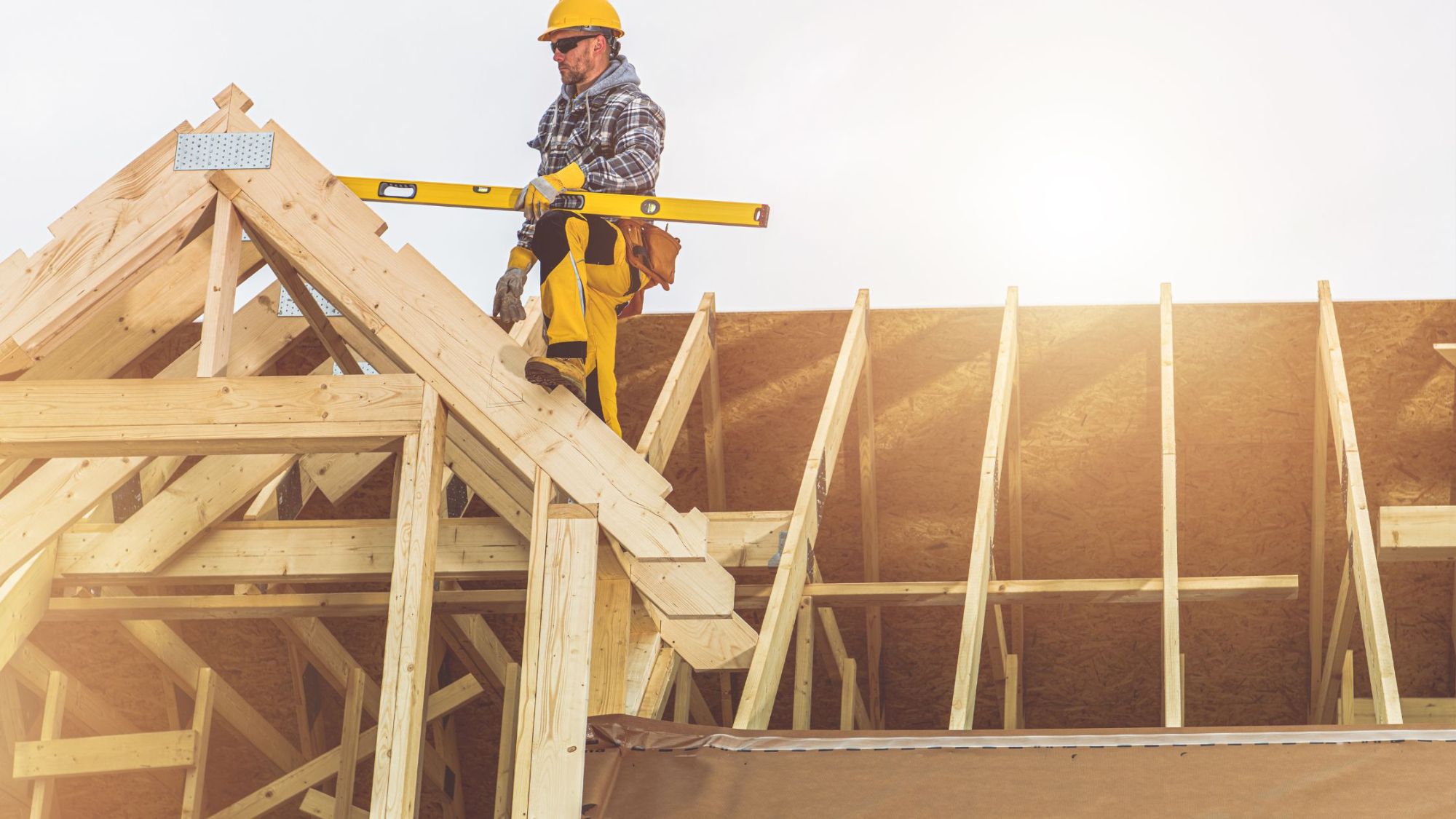
According to the U.S. Census Bureau's Survey of Construction, the average single-family home nationally took about 9.1 months from authorization to completion in 2024, broken into roughly 1.4 months to get authorized and start construction, plus another 7.6 months to actually build it. That's the all-in national average across every type of build, owner-built, contractor-built, and built-for-sale combined.
The number that matters more for most Vancouver, WA buyers: homes built specifically for sale by a builder or developer, which is how most production and spec homes in Clark County are built, complete noticeably faster than that blended average, commonly in the 6 to 8 month range once construction actually starts. Owner-built and fully custom projects run considerably longer, which is covered in more detail below.
How Does Clark County's Permit Process Affect Your Timeline?
A real local program worth knowing about
Permitting is one of the biggest variables in any construction timeline nationally, and it varies enormously by jurisdiction. Clark County actually publishes a specific commitment on this: the 60-Day Development Review program guarantees construction approval within 60 calendar days of a complete application, as long as no holds occur during the review process. Most land use and technical issues are expected to be resolved before that 60-day clock starts, so the real timeline includes pre-application work on top of that window.
On a production home in an already-platted, already-approved community, much of this permitting groundwork was handled by the developer before your specific lot was ever offered for sale, which is exactly why production homes in active communities tend to move faster than a custom build on raw land. General information on Clark County's residential permitting process is available directly from the Clark County building permits page.
Production vs. Custom: How Much Faster Is Buying Into an Active Community?
A meaningful gap, consistently, across every data source
The gap comes down to what's already been handled before you sign. A production home in an active community is typically built from a pre-approved plan, on a lot where site work, utilities, and much of the permitting groundwork is already done, since the builder or developer handled it across the whole community at once. A fully custom build starts closer to zero: individual architectural design, individual permitting, and often a less predictable subcontractor schedule, all of which adds months. Neither path is wrong, it depends on how much you value speed and predictability versus full customization, a trade-off covered in more depth in new construction in the PNW.
What Are the Actual Phases of Building a New Construction Home?
What's actually happening during those months
What Causes New Construction Delays, and How Much Time Do They Add?
A few recurring culprits, across every market
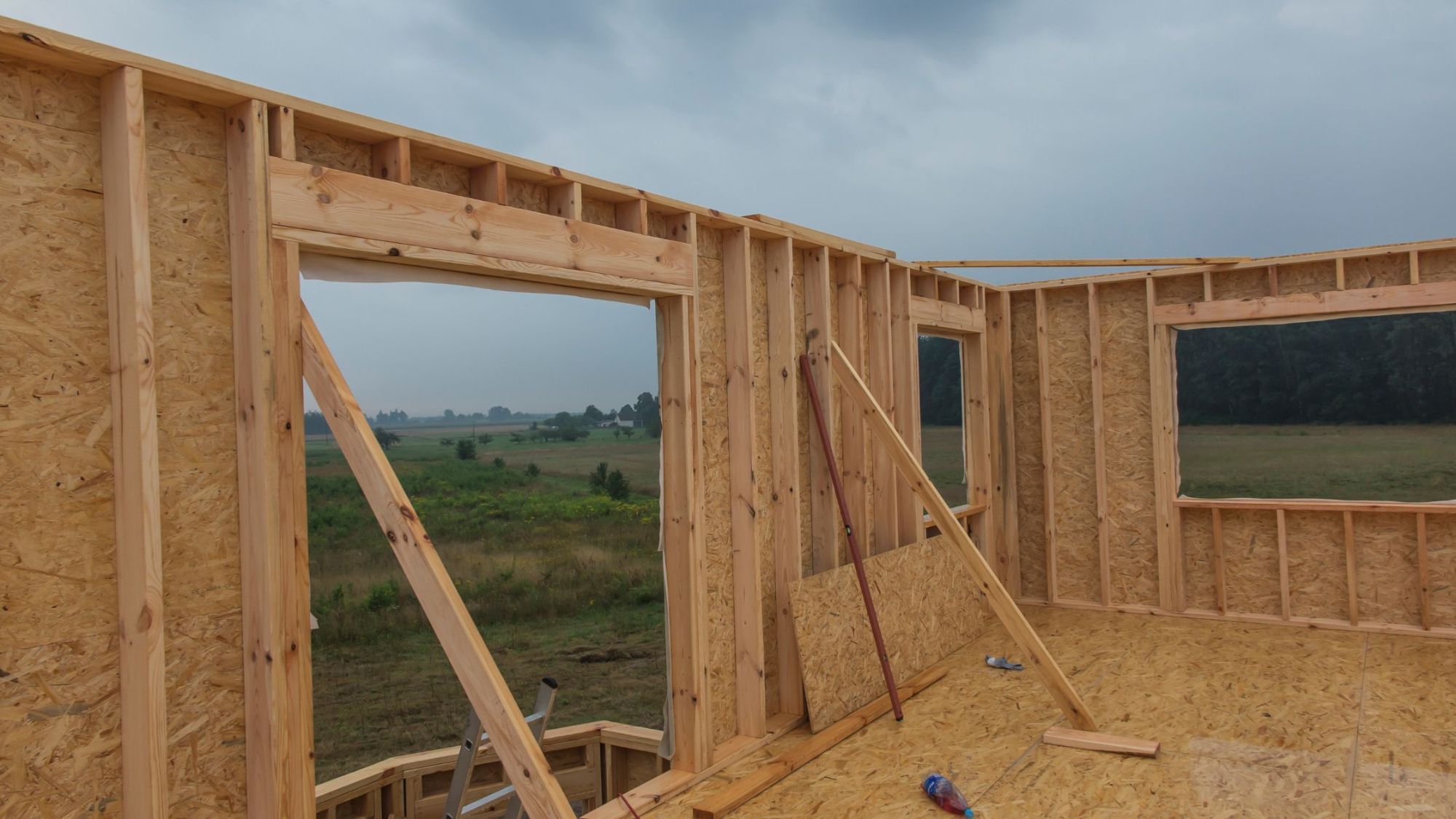
Weather is the most common early-phase delay, since foundation pours and framing are both weather-sensitive, and our wetter fall and winter months here in Clark County can push a start date if a build lands at the wrong time of year. Material lead times are the most common finish-phase delay; specialty windows, cabinets, and appliances routinely run several weeks out, and a single missing item can hold up an otherwise-finished home. Subcontractor scheduling gaps, where one trade finishes and the next one has a gap before they can start, are a quieter but very real source of slippage, especially in a tight labor market.
None of these individually derail a build, but they stack. Ask your builder directly what's currently affecting their typical timeline on your specific community or lot, rather than relying on the general range in their marketing materials.
How Does the Build Timeline Affect Your Financing Contingency Window?
Where the calendar and your contract intersect
Your financing contingency window, commonly in the 30 to 45 day range on a new construction contract, is about securing your loan, not about the build finishing. But a longer build timeline still matters for your financing in a different way: rate locks typically don't last as long as a full construction timeline, and most lenders cannot lock rates till 30-60 days before closing so as someone building you are at the mercy of rates fluctuating while the home I being built. So make sure to ask before you enter into your contract what timeline that lender has to be able to lock your rate. What's actually in a builder's purchase agreement covers the financing contingency clause itself in more detail; ask your lender specifically how they handle rate locks on a build that's likely to run 6 months or longer. What's actually in a builder's purchase agreement covers the financing contingency clause itself in more detail; ask your lender specifically how they handle rate locks on a build that's likely to run 6 months or longer.
Buying New Construction? Start Here
Frequently Asked Questions
New construction timelines, common questions
How long does it take to build a house from start to finish?
Is it faster to buy new construction in an already-approved community than to build custom?
How long does the permit process take in Clark County?
What's the most common reason a new construction timeline gets delayed?
How does a long build timeline affect my mortgage rate lock?
Trying to Plan a Realistic Timeline for Your Build?
Let's talk through what a specific builder or community's current timeline actually looks like before you commit to a closing date.
Book Your Free Discovery Session Run the Affordability Calculator Join Our Facebook GroupCategories
Recent Posts








GET MORE INFORMATION

Cassandra Marks
Realtor, Licensed in OR & WA License ID: 201225764
Realtor, Licensed in OR & WA License ID: 201225764