
Move-In Ready vs. To-Be-Built New Construction in Vancouver, WA
Move-In Ready vs. To-Be-Built New Construction in Vancouver, WA: Which Gets You the Better Deal Right Now?
Same builder, same neighborhood, two very different deals. Here's how timing, incentives, financing, and inspections change depending on which one you pick.
What's the difference between a quick move-in home and a to-be-built home? A quick move-in (spec) home is already built or nearly finished and typically closes in weeks to a few months. A to-be-built home is built after you sign, which for a production build runs about 6 to 10 months. Right now, with builders carrying inventory and cutting prices, quick move-in homes are widely reported to be the most negotiable, but to-be-built gives you design choices and time. The right one depends on your timeline, your lender, and how much you want to customize.
When a client says "I'm looking at new construction," my first question is almost always, "finished or not yet built?" It sounds like a small detail. It changes the timeline, the incentives you can negotiate, how you finance it, how you inspect it, and sometimes the whole price.
With builders carrying more unsold homes than they did a couple of years ago, that question matters more than usual. This breaks down how the two compare, and my companion guide on whether now is a good time to buy new construction covers the market side.
What's the Difference Between a Quick Move-In (Spec) Home and a To-Be-Built Home?
What's finished, and what you get to choose

A quick move-in home, also called a spec or inventory home, is one a builder started or finished without a specific buyer. You're buying what exists, and finishes are usually already chosen. How much choice is left depends on how far along it is. A to-be-built home is built for you after you sign, so you pick the lot, the plan, and the finishes at the design center.
One caution: "quick move-in" doesn't always mean finished. Some are still under construction, and some are a few weeks from completion. Confirm the stage and the expected completion date in writing. The 6 to 10 month figure for to-be-built is the production-build timeline I break down in how long it really takes to close on new construction.
Which One Has the Better Incentives Right Now?
Usually the finished home, and here's why
A completed home that no one has bought is costing the builder money every month in interest, taxes, and upkeep. That's why brokers across several markets describe completed spec homes as the most negotiable category of new construction. The national picture backs up the pressure: in NAHB's October 2026 builder survey, 43% of builders cut prices, the average cut was 6%, and 65% used sales incentives.
That doesn't mean every finished home is a deal, and incentives are builder-specific. To-be-built homes can have incentives too, but they tend to be smaller or come with conditions, such as a rate lock window or a closing deadline. How to tell a real discount from one that's priced in is covered in builder incentives and what to check before you sign.
How Do Rate Locks and Financing Differ?
Closer to closing means closer to your lock
With a finished home you're typically closing within weeks, so you can lock a rate and know what your payment will be. With a to-be-built home, closing is many months away, and lenders generally can't lock a rate that far out. You may need to lock later, extend a lock, or use a float-down option, and your rate could be higher or lower by closing. Freddie Mac's weekly survey put the 30-year rate at 7.18% on November 5, 2026, versus 6.22% a year earlier, which shows how much it can move.
Incentives complicate it further. A builder's rate buydown quoted at contract may be tied to a lock window, and a delay can put it at risk, as I explain in what happens if a builder misses the completion date. Whichever you choose, compare the builder's lender against an outside lender and get the lock terms in writing.
How Do Inspections and Quality Checks Differ?
You can see a finished home, but not what's behind the walls
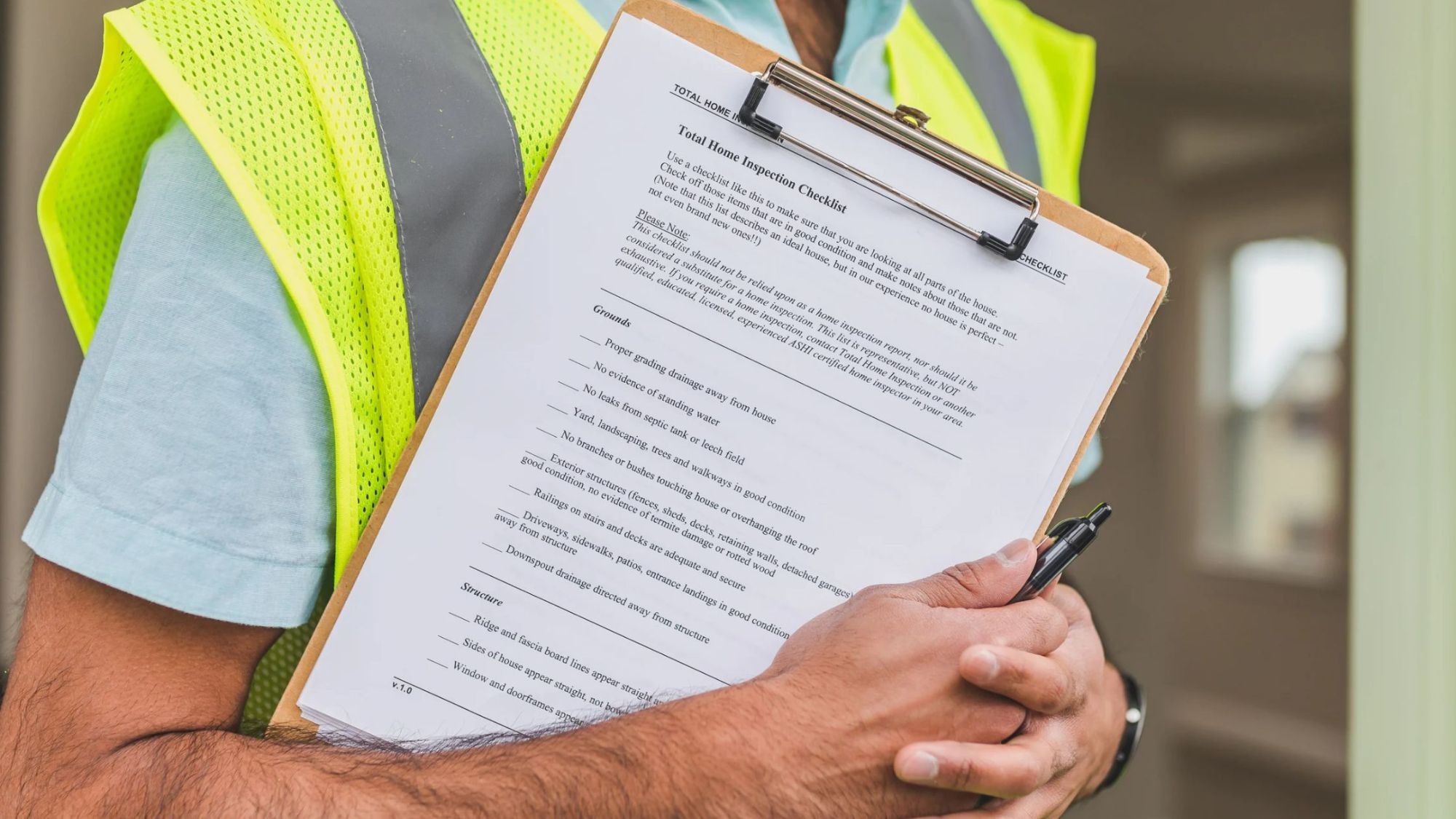
On a finished home, you can do a full inspection before closing, just as you would on a resale, which is a real advantage over choosing finishes from a sample board. The limit is what's already hidden. Framing, plumbing, and wiring are behind drywall, so ask whether the builder can share its inspection records and photos from the framing and rough-in stages.
On a to-be-built home, you can walk the home at key stages, including the pre-drywall walkthrough, when everything is visible. But inspection rights on a builder contract usually aren't automatic, and they need to be written in, which I cover in what's actually in a builder's purchase agreement. Either way, an independent inspection on a new build is worth it.
What Are the Hidden Risks of Each?
Different risks, not fewer
Quick move-in homes
To-be-built homes
Which One Fits You?
A short way to decide
To see what's finished and available now, browse new construction homes for sale in Vancouver, WA, and ask each builder which completed homes they'd most like to sell. Questions worth bringing to a model home are in what to ask on your first builder model home tour.
Frequently Asked Questions
Quick move-in vs. to-be-built homes, common questions
What is a quick move-in home?
Are quick move-in homes cheaper than to-be-built homes?
Can I customize a quick move-in home?
How does the rate lock differ between the two?
Can I get an inspection on a new construction home?
What should I ask about a quick move-in home that's been on the market a while?
Deciding Between a Finished Home and One Built to Order?
Let's compare the specific homes, the incentives, and your lender's numbers side by side.
Book Your Free Discovery Session Run the Affordability CalculatorCategories
Recent Posts






GET MORE INFORMATION

Cassandra Marks
Realtor, Licensed in OR & WA License ID: 201225764
Realtor, Licensed in OR & WA License ID: 201225764