
The 5 Home Improvements That Actually Increase Value in 2026
The 5 Home Improvements That Actually Increase Value in 2026
Forget the generic "kitchen remodel" lists. What actually protects your home's value depends on one thing most guides skip entirely - how old your house is.

Every January, a new "top home improvements for ROI" list makes the rounds - kitchen remodel, bathroom refresh, new front door, curb appeal. Those lists aren't wrong exactly, but they're written for an average home that doesn't really exist. I sell everything from 1960s ranch homes in Five Corners to brand-new construction in Ridgefield, and the honest truth is: what actually protects and increases your home's value depends almost entirely on when it was built. It's part of why I lean on my hands-on background in construction and restoration when I walk clients through a home's age-specific risks.
A 2001 house and a 1968 house don't have the same problems, so they shouldn't get the same advice. Here's how I actually walk clients through this, with real 2026 cost numbers - not vague ranges.
If Your Home Was Built in the 1990s or Early 2000s, These 4 Things Are the Real Story
This is the range of homes I see catch buyers and sellers off guard the most, because these houses don't look old. They usually have decent bones, updated-looking finishes, and no obvious red flags on a drive-by. But four big-ticket items are quietly running out of runway at the same time - and it's rarely on anyone's radar until an inspector flags it or something fails.
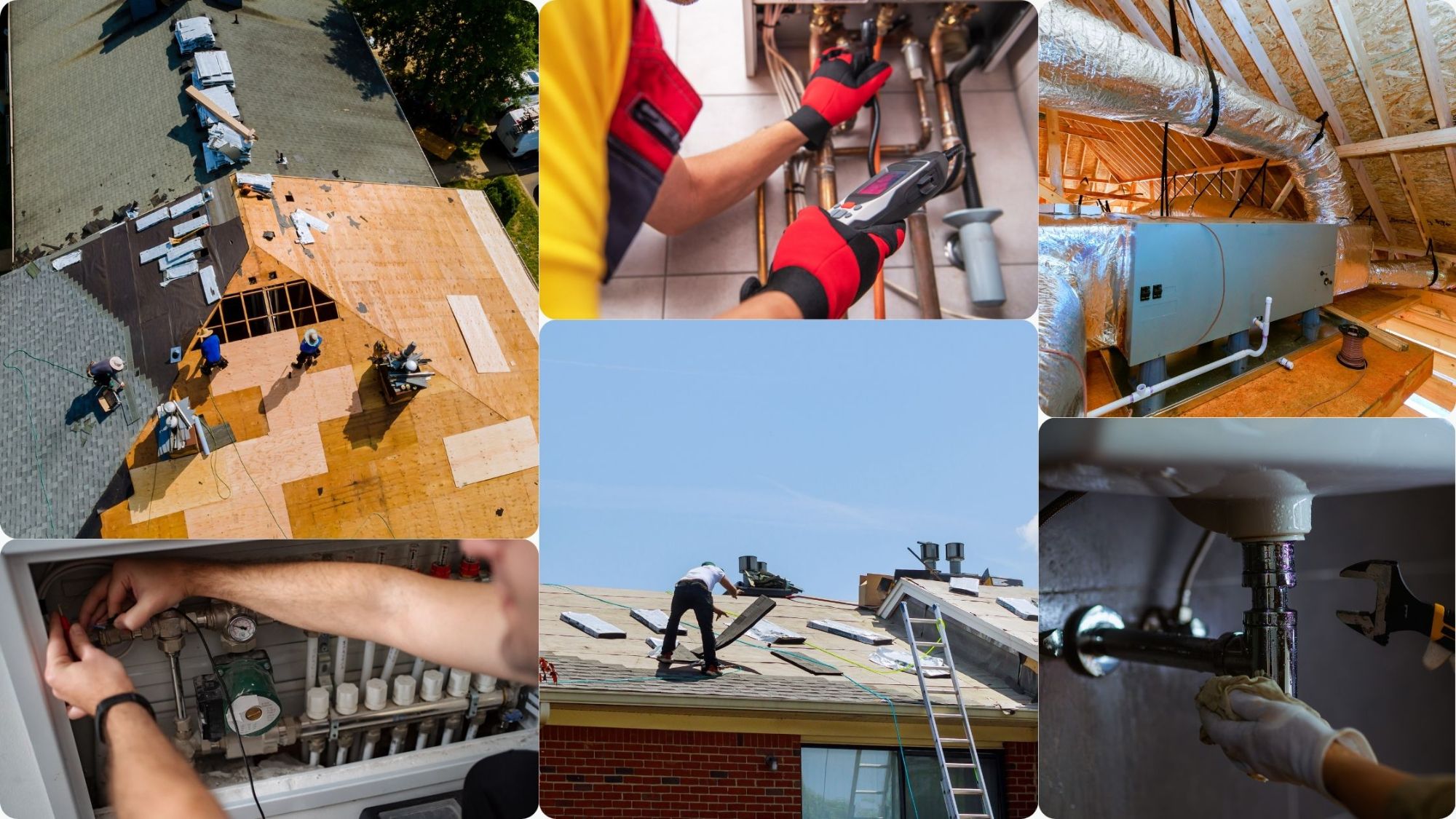
Is Your Roof Original - and How Old Is Too Old?
Standard asphalt composition shingles last roughly 20–25 years in our climate, less with budget-grade shingles or heavy moss growth from Pacific Northwest rain. A full replacement runs $15,000–$30,000 depending on size and material, and nationally recoups only about 60–68% of its cost at resale - that's a lower percentage than a lot of homeowners expect. But that ROI number is measuring the wrong thing: a roof isn't there to "add" value, it's there to keep itself off the inspection report. A home with a visibly worn or original-to-1998 roof gives buyers a straightforward, hard-to-negotiate-around repair credit request.
Is Your HVAC System Nearing the End of Its Life?
Furnaces typically last 15–20 years, and AC units or heat pumps closer to 12–15 years. A full system replacement runs $11,500–$14,000 on average today. Worth knowing if your system is aging: the HVAC industry has been transitioning refrigerants - R-410A systems are being phased out in favor of the newer R-454B standard, and recharge costs on older refrigerant have been climbing as supply tightens. A system that's still running but getting expensive to service is often a sign it's time to plan the replacement rather than keep patching it.
How Old Is Your Water Heater, Really?
Standard tank water heaters last about 8–12 years, and full replacement runs $1,200–$4,500. That means a home built in this era isn't necessarily on its original unit - it may already be on its second or third - so the real question isn't "how old is the house," it's "how old is this specific water heater." Check the install date on the unit itself; don't assume.
What About the Plumbing? (This Is the One Most People Miss)
This is the one I see skipped in almost every generic "home improvement" list, and it matters a lot for this era specifically. CPVC pipe has been standard for hot and cold water lines since the 1980s, and it becomes brittle after roughly 25–30 years - especially with chlorinated water or sun/UV exposure on exposed runs. A home built in the late 1990s or early 2000s is right in that window now. Polybutylene pipe ("poly-B"), common roughly from the late 1970s through the mid-1990s, is the more serious version of this problem: it deteriorates from chlorine in the water supply and tends to fail suddenly rather than gradually, and many insurance companies won't cover it at all or will cancel a policy outright once they know it's present.
A whole-home replumb isn't cheap, but it's a known, budgetable number - on a 2,000 sq ft two-story home, expect around $20,000 for a full repipe. That's a real cost to plan for, but it's a fixed, one-time number versus an unpredictable pipe failure and water damage claim. It's also exactly the kind of question I get from first-time buyers trying to read between the lines on an older listing - is that roof newer, or is it 25 years old?
If Your Home Was Built in the 1960s or 1970s, Check These Before You Spend on Anything Else
Older homes get a different kind of advice from me, because the question isn't usually "is this original" - it's "when was this actually updated, and by whom." A lot of 1960s and 70s homes have already been through one or two rounds of upgrades, sometimes done well, sometimes done cheaply by a previous owner just trying to sell. Before spending a dollar on paint or countertops, I want clients to actually verify the age and condition of a few specific things.
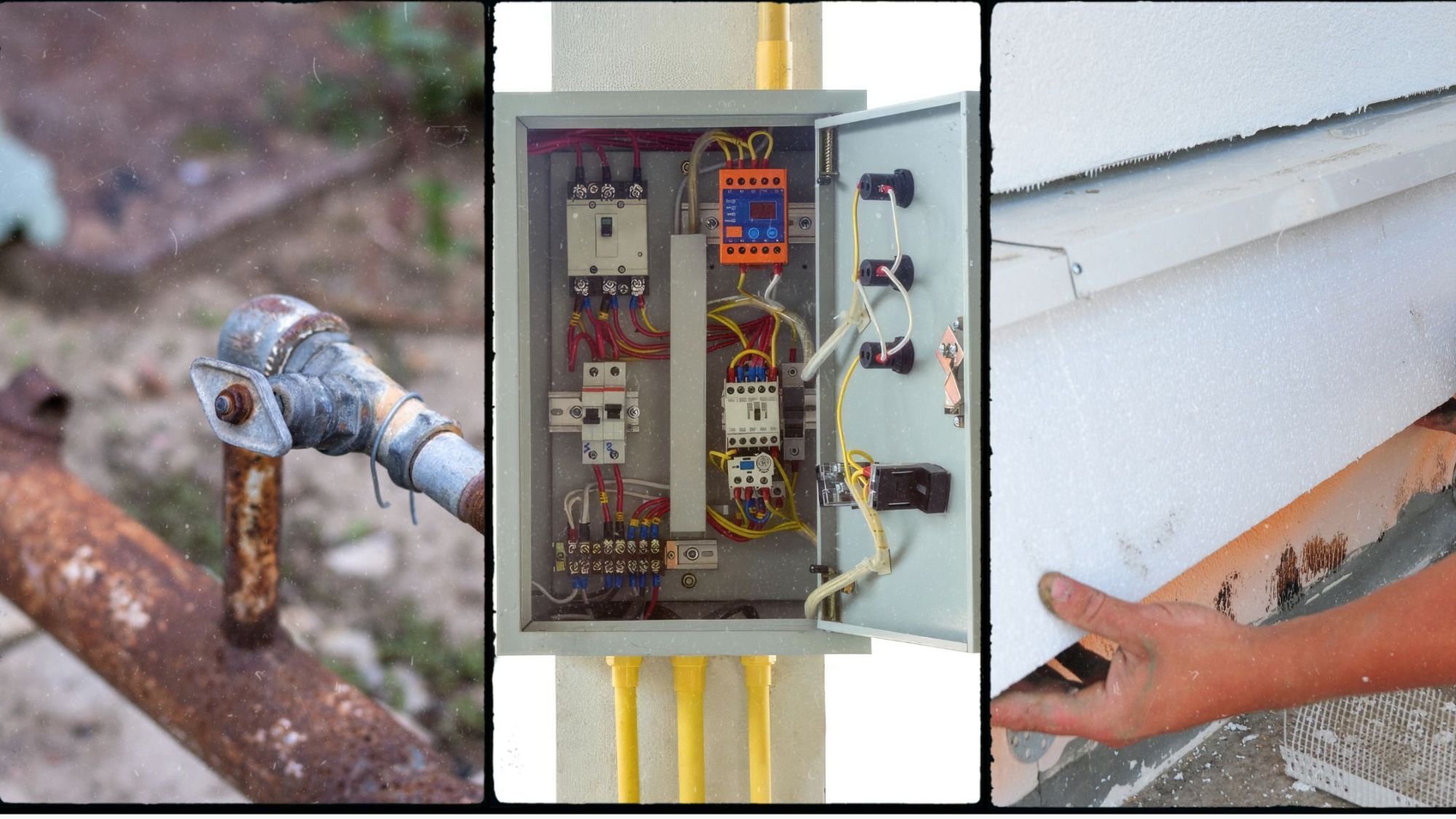
Is Your Plumbing Cast Iron, and Does It Matter?
Cast iron drain, waste, and vent pipe was standard in homes built through roughly the 1970s. Unlike CPVC or polybutylene, which tend to fail abruptly, cast iron corrodes gradually from the inside over 50–80 years, narrowing and roughening the interior of the pipe until it causes recurring slow drains or backups. A sewer scope inspection (a camera run through the line) typically costs $150–$250 and will tell you exactly what condition it's in. Repair costs average around $3,300, though full replacement can run $50–$250 per linear foot depending on depth and access - worth knowing well before you're negotiating a sale.
Is Your Electrical Panel and Wiring Up to Current Standards?
A lot of homes from this era were originally wired with 60–100 amp panels, which is thin by today's standards once you factor in modern appliances, EV chargers, or home offices. A 100-to-200 amp panel upgrade typically runs $1,300–$3,000, or $3,500–$5,000 if the meter base or service entrance cable also needs replacing. Some homes from the mid-60s to early-70s also have aluminum branch circuit wiring instead of copper, which insurers and inspectors flag as a fire risk requiring specific remediation. Washington requires a permit for this work either way - an unpermitted panel swap is its own red flag at resale.
What About the Foundation and Insulation?
Original insulation levels in homes from this era are often well below what current energy codes expect, and foundations that haven't been inspected in a while can develop settling cracks that are easy to miss without someone specifically looking for them. Neither is usually an emergency, but both are worth a professional look before you invest in anything cosmetic - the same systems an inspector will flag during the escrow, inspection, and appraisal phase once you're under contract.
What Are the 5 Home Improvements That Actually Increase Value?
Across every age of home I sell, these are the five that consistently protect and increase value. Notice that plumbing shows up regardless of decade - it's just a different material and a different failure mode depending on when your home was built.
| # | Improvement | Typical 2026 Cost | Resale Recoup / Why It Matters |
|---|---|---|---|
| 1 | Roof | $15,000–$30,000 | ~60–68% direct recoup; bigger value is avoiding the inspection flag |
| 2 | HVAC System | $11,500–$14,000 | Defensive - keeps a dead system off the inspection report |
| 3 | Water Heater | $1,200–$4,500 | Defensive - check actual install date, not just house age |
| 4 | Plumbing (CPVC/poly-B or cast iron) | $3,300 repair avg - $20,000 full repipe (2,000 sq ft, 2-story) | Defensive - material and failure mode depend on decade built |
| 5 | Electrical Panel/Wiring | $1,300–$5,000 | Defensive - permit required in WA; unpermitted work is its own flag |
Notice what's not on this list: kitchens, bathrooms, and paint. Those improvements absolutely matter for how fast a home sells and how it shows - cosmetic projects like a minor kitchen refresh or a new garage door can recoup 70–100%+ of their cost precisely because they're optional upgrades a buyer is excited about. Roof, HVAC, water heater, plumbing, and electrical don't work that way. They're not upgrades - they're expected to already be handled, so fixing them doesn't "add" value in the same sense. What they do is prevent a price reduction or a repair-credit negotiation during the home inspection, which is a bigger dollar swing than any ROI percentage captures. Cosmetic upgrades are worth doing after these five are handled, not instead of them.
What Should You Check Based on the Decade Your Home Was Built?
| Built | Priority Check | Why |
|---|---|---|
| 1960s–1970s | Cast iron plumbing, electrical panel/wiring, foundation | Original infrastructure is now 50–65+ years old |
| 1980s | Roof, original HVAC, CPVC pipe condition, past update history | Systems and pipe material may be original or already once-replaced |
| 1990s–early 2000s | Roof, HVAC, water heater, CPVC/poly-B plumbing | All four are commonly at or past typical lifespan now |
| 2000s–2010s | Water heater, HVAC servicing history | Roof and plumbing usually fine; other systems approaching mid-life |
| 2011–present | Cosmetic & lifestyle upgrades | Core systems are typically still well within lifespan |
More on What Homeownership Actually Costs in Vancouver, WA
If you're weighing an older home against newer construction, or just want the fuller cost picture, these go deeper:
Home Improvements & Value in 2026 - Common Questions Answered
What home improvements actually increase value in 2026?
What is polybutylene piping, and why does it matter?
How long does a roof actually last?
How do I know if my home has cast iron plumbing?
Is a kitchen or bathroom remodel a good investment?
How do I find out when my home's major systems were installed?
Not Sure What Your Home Actually Needs?
Whether you're prepping to sell or just bought a home and want to know what's coming, I can walk through your home's specific age and systems with you - no guesswork, no pressure, just the honest picture. Start with a free buyer discovery session any time.
Let's Talk Join My NewsletterCategories
Recent Posts





GET MORE INFORMATION

Cassandra Marks
Realtor, Licensed in OR & WA License ID: 201225764
Realtor, Licensed in OR & WA License ID: 201225764