
Buying a Home Before Spring: Why January-March Buyers Win in Vancouver, WA
🏡 Buying a Home Before Spring
Why January-March Buyers Have a Competitive Advantage in the Vancouver-Portland Market
If you've been thinking about buying a home in the Vancouver or Portland area, you've probably heard that spring is the "best" time to buy. The truth? Smart buyers know that winter—specifically January through March—is actually one of the most advantageous times to purchase a home.
While most buyers wait for the spring market to heat up in April and May, those who act now are reaping significant benefits: less competition, motivated sellers, better negotiating power, and more time with their agent. Here's why buying before the spring rush gives you a strategic advantage. New to the home buying process? Learn about the complete home buying process in Vancouver, WA.
The Pre-Spring Market Sweet Spot
The real estate market operates in predictable seasonal cycles. Spring (April-June) sees the highest number of buyers, which means fierce competition, bidding wars, and less negotiating room. But in the months leading up to that rush—January through March—the market dynamics shift dramatically in favor of buyers.
During this pre-spring window, inventory begins to increase as sellers prepare to list before the peak season, but buyer competition hasn't completely ramped up yet (we are starting to see some multiple offer situations depending on location and price). This creates a unique opportunity where you have more options and less competition than you'll face just a few weeks later.

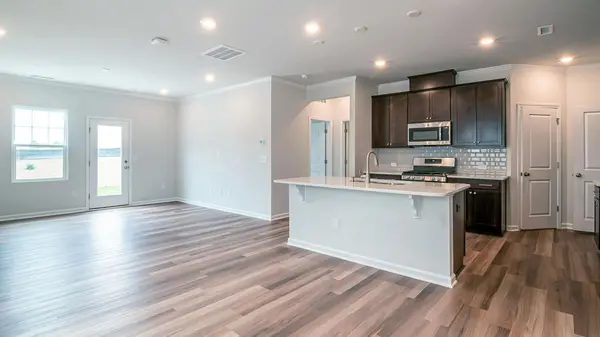
Winter home buying in Vancouver, WA offers unique advantages for smart buyers
40-50%
Fewer Competing Buyers
January-March vs. Spring
5-10%
More Negotiating Room
on Price & Terms
2-3x
More Time to Make
Informed Decisions
Key Advantages of Buying Before Spring
🎯 Significantly Less Competition
In spring, it's common to compete against 5-15 other buyers on desirable properties. In January-March, you might be one of only 1-3 serious buyers—or the only one. This means fewer bidding wars, less pressure to waive contingencies, and more time to carefully consider your offer.
💰 Motivated Sellers Ready to Deal
Sellers listing in winter are often highly motivated. They might be relocating for a job, going through a life change, or need to sell before buying their next home. These sellers are more willing to negotiate on price, cover closing costs, include appliances, or offer other concessions you won't get in the competitive spring market.
🏠 Better Selection Than You Think
Contrary to popular belief, inventory in January-March can be quite good. Savvy sellers know that serious buyers shop year-round, and listing early means less competition from other sellers. You'll find quality homes without the overwhelming number of shoppers touring them.
⏰ More Time and Attention
Your real estate agent, lender, inspector, and other professionals have more availability in winter. This means better service, more thorough home tours, faster responses to your questions, and a less rushed, more thoughtful buying process.
🔍 Homes Show Their True Condition
Viewing homes in winter reveals potential issues that might be hidden in spring—roof leaks, heating system problems, insulation issues, drainage concerns, and how the home handles rain and cold. This transparency protects your investment.
📊 Stronger Negotiating Position
With less competition, you have more leverage to negotiate inspection repairs, request closing cost assistance, ask for home warranties, or negotiate a better purchase price. Sellers know their pool of buyers is smaller and are more willing to work with serious offers.
Winter vs. Spring Home Buying: A Comparison
| Factor | January-March (Pre-Spring) | April-June (Spring Rush) |
|---|---|---|
| Competition Level | Low - Often 1-3 buyers per home | High - 5-15+ buyers per home |
| Bidding Wars | Rare - Most offers at or near asking | Common - Often 5-10% over asking |
| Negotiating Power | Strong - Sellers willing to negotiate | Weak - Sellers have multiple options |
| Seller Motivation | High - Need to sell for specific reason | Moderate - Listing because it's "the season" |
| Days to Close | 30-45 days - Normal timeline | Often rushed - 14-21 day closes common |
| Inspection Contingencies | Usually accepted and honored | Often altered to large ticket items only or waived to compete |
| Agent Availability | High - More time per client | Limited - More showings with more buyers, smaller window time for offers |
| Decision Timeline | Days to decide on offers | Hours to decide - or miss out |
💡 Real Example from the Vancouver Market
A client of mine recently purchased a beautiful 4-bedroom home in Salmon Creek for $575,000 in February. The same home would have easily sold for $600,000-$615,000 in May with multiple offers. Because they bought in the pre-spring window, they got the seller to cover $8,000 in closing costs, include all appliances, and complete $4,500 in requested repairs. That's nearly $50,000 in value they wouldn't have captured in the spring rush.
How to Maximize Your Pre-Spring Advantage
1. Get Pre-Approved Now
Start with a lender consultation and full pre-approval. Winter buyers who are ready to move quickly stand out to sellers. Having your financing locked in gives you a significant edge and shows sellers you're serious. Learn the 3 key reasons to get pre-approved before you start house hunting.
2. Be Ready to Act
While you won't face spring's intense competition, good homes still move relatively quickly. Work with an agent who can alert you to new listings immediately and schedule showings fast.
3. Don't Lowball Too Hard
Yes, you have more negotiating power, but insulting offers can offend sellers and kill deals. Work with your agent to make competitive offers that leave room for negotiation on terms, repairs, and closing timeline. Get expert tips on making an offer and negotiating.
4. Use Winter to Your Inspection Advantage
Request thorough inspections that test heating systems, check for moisture/drainage issues, and evaluate how the home performs in real winter conditions. This due diligence protects your investment. Learn what to expect during home inspections.
5. Negotiate Beyond Price
With less competition, you can negotiate closing costs, repairs, included appliances, home warranties, flexible closing dates, and rent-back periods. These terms add significant value beyond purchase price.
6. Focus on Your Must-Haves
Use this less-pressured time to really clarify what you need versus what you want. You'll make better long-term decisions when you're not caught up in bidding war emotions.
Current Vancouver-Portland Market Context
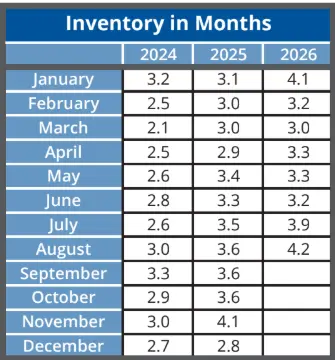
The Vancouver and Portland metro area markets follow these seasonal patterns particularly strongly. Here's what we're seeing for winter 2026:
Not sure which neighborhood is right for you? Explore Vancouver neighborhoods to find your perfect fit.
Inventory
Inventory in January and February is already climbing as sellers prepare to list before the spring surge. This means good selection without overwhelming competition. By March, we typically see 25-30% more listings than January, setting up buyers perfectly before the April rush.
Interest Rates
While interest rates fluctuate, winter buyers often have more time to shop for the best rate and aren't forced to accept whatever rate is available in a rush to close quickly. This flexibility can save thousands over the life of your loan. Wondering about mortgage rates in 2026? Read our complete guide on whether to buy now or wait.
Seller Expectations
Sellers listing in winter have realistic expectations about pricing and timeline. They're not influenced by neighbors getting multiple offers in a hot spring market. This rationality benefits buyers in negotiations.
New Construction
Winter is an excellent time to explore new construction. Builders often offer incentives to close deals before end-of-quarter deadlines, and you'll get more personalized attention from sales teams who aren't juggling dozens of appointments daily. If you're considering new construction, avoid these common mistakes new construction buyers make.
Common Concerns About Winter Home Buying (Addressed)
"Won't I have better selection if I wait for spring?"
While spring does bring more total listings, it also brings 2-3x more buyers. The ratio of homes to buyers actually favors winter buyers. Plus, you'll face less competition for the homes that are available, making it easier to secure your preferred property.
"Are sellers in winter desperate or is something wrong with their homes?"
Not at all. Common reasons for winter listings include job relocation, life changes (divorce, downsizing, upsizing), estate sales, or simply savvy sellers who want to avoid spring competition from other listings. Most winter listings are perfectly sound homes with motivated but reasonable sellers.
"Is it harder to get a mortgage in winter?"
No—if anything, it's easier. Lenders have more capacity in winter, meaning faster processing, more attention to your application, and better communication throughout the process. You're not competing with hundreds of other applicants for your loan officer's time.
"What if I find my dream home in spring after I already bought?"
This is the "grass is always greener" worry. The reality is that your dream home in February at $550,000 with negotiated repairs would likely cost you $565,000 in May with waived inspections and multiple competing offers. The home you buy in winter is likely a better value than waiting.

Smart buyers are securing their dream homes now, before the spring competition heats up
Your Action Plan for Pre-Spring Home Buying
If you're serious about buying before the spring rush, here's your timeline:
For a detailed checklist of everything you should do right now if you're planning to buy in 2026, read our complete preparation guide.
Week 1-2: Get Pre-Approved
Meet with a lender, get fully pre-approved (not just pre-qualified), and understand your budget. This makes you a competitive buyer immediately.
Week 2-3: Clarify Your Criteria
Work with your agent to define must-haves versus nice-to-haves. Identify your target neighborhoods, home styles, and deal-breakers. Set up automatic MLS alerts for new listings.
Week 3-6: Active House Hunting
Tour homes actively, ask tough questions, and get a feel for the market. Winter gives you the luxury of seeing multiple homes without the pressure to make instant decisions.
Week 6-8: Make Your Offer
When you find the right home, work with your agent to craft a competitive offer that leverages your pre-spring timing. Negotiate inspection terms, closing costs, and timeline that work for you.
Week 8-12: Close on Your Home
Complete inspections, finalize financing, and close on your new home—all with more breathing room and attention than you'd get in the spring chaos.
By April: Settled In
While everyone else is battling spring market competition, you'll already be settled into your new home, enjoying the garden coming to life, and watching your neighborhood come alive in the season—without the stress of competing for your home.
Ready to Beat the Spring Rush?
Don't wait until spring when everyone else is competing for the same homes. Start your home search now and take advantage of less competition, motivated sellers, and better negotiating power. Let's find your perfect home before the market heats up.
Schedule Your Buyer Consultation Call (503) 884-2387
Categories
Recent Posts








GET MORE INFORMATION

Cassandra Marks
Realtor, Licensed in OR & WA License ID: 201225764
Realtor, Licensed in OR & WA License ID: 201225764