
Common Mistakes Buyers Make with New Construction Homes
Common Mistakes Buyers Make with New Construction Homes
New construction homes offer incredible advantages—modern design, energy efficiency, builder warranties, and the ability to customize finishes to your taste. With over 100 new home communities in the Vancouver, WA area and builders like D.R. Horton, Pulte, and Richmond American actively developing throughout the region, opportunities abound for buyers seeking brand-new homes.
However, the new construction buying process differs significantly from purchasing an existing home, and many buyers make costly mistakes simply because they don't understand these differences. With 14 years of experience in remodeling and real estate, I've seen these errors repeatedly—and more importantly, I know how to help you avoid them.
Let's explore the most common mistakes buyers make with new construction and how to protect yourself throughout the process.
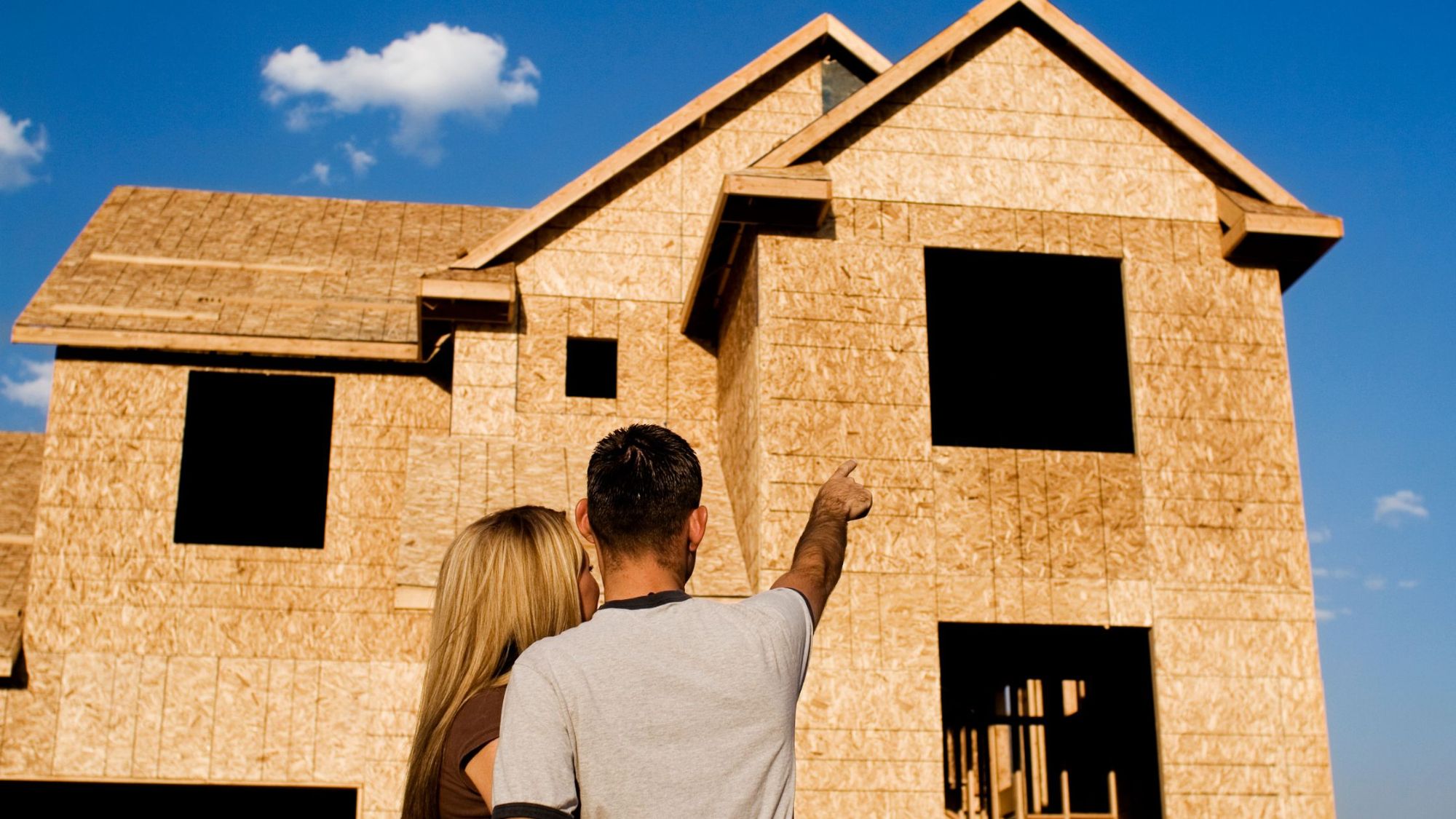
Mistake #1: Going to the Sales Office Without an Agent
The Error: Many buyers visit new construction communities on their own, believing they don't need an agent for new homes or thinking they'll get a better deal by working directly with the builder's sales representative.
Why It's Costly: The on-site sales agent works for the builder, not you. Their job is to sell homes and protect the builder's interests. Once you visit without your own agent and register with the builder, you typically can't bring in your agent later—you've forfeited representation.
Builder contracts are complex, heavily favor the builder, and contain clauses most buyers don't fully understand. Without your own agent, you have no one advocating for your interests during negotiations, upgrade selections, construction issues, or closing problems.
The Solution: Contact a buyer's agent before visiting any model homes or sales centers. Your agent's commission can be negotiated to be paid by the builder and shouldn’t increase your costs. What you gain is invaluable: someone who reviews contracts, negotiates on your behalf, coordinates independent inspections, manages the construction timeline, and ensures the builder delivers everything promised. Conversely, if you don’t use a buyers agent the money negotiated for your buyers agent just goes into the pockets of the seller/builder and the builders wont “take it off” the sales price.
I accompany my clients to every design center appointment, builder meeting, and walkthrough. My construction background allows me to spot issues early and hold builders accountable to quality standards.
Mistake #2: Skipping Independent Inspections
The Error: Buyers assume new construction doesn't need inspections because everything is new and covered by warranties. They rely solely on municipal code inspections and the builder's quality control.
Why It's Costly: Code inspections ensure minimum legal standards—they don't evaluate quality, workmanship, or whether work meets industry best practices. Builders occasionally make mistakes: HVAC systems installed incorrectly, plumbing issues, electrical problems, insulation gaps, or structural concerns that won't become apparent until you've lived there for months.
I've seen new homes with improperly installed windows that leak within the first year, HVAC systems that never balanced correctly, and foundation issues that could have been caught during construction. Once you close, addressing these problems becomes exponentially more difficult and expensive, even with warranties.
The Solution: Schedule independent inspections at critical phases: pre-drywall (to inspect framing, electrical, plumbing, and insulation), pre-closing (comprehensive final inspection), and ideally at 11 months (just before builder warranty expires). This typically costs $600-$1200 each but can save you tens of thousands in future repairs.
A qualified inspector evaluates quality, not just code compliance. They identify issues while they're easy to fix, giving you leverage to have the builder correct problems before closing.
Mistake #3: Overspending on Upgrades
The Error: The design center experience is exciting—so many beautiful options! Buyers get caught up in the moment and select every upgrade that appeals to them without considering value, budget impact, or return on investment.
Why It's Costly: Builder upgrades carry significant markups, often 40-100% over what you'd pay to make the same improvements after closing. That $15,000 gourmet kitchen package might cost $8,000-$10,000 if you hired contractors after moving in. Overspending on upgrades can push you beyond your comfortable budget or leave you house-poor with no funds for furniture, landscaping, or emergency repairs.
Not all upgrades add equivalent value. Some are purely cosmetic preferences that won't increase resale value, while others (like structural changes or electrical additions) are difficult or expensive to add later.
The Solution: Prioritize structural and permanent upgrades that are expensive to add later: additional electrical outlets, upgraded electrical panels, plumbing for future additions, extra insulation, upgraded windows, built-in features, or layout modifications. These are harder to change after construction.
Skip upgrades that are easy to DIY or hire contractors for later: light fixtures, cabinet hardware, paint colors, basic flooring, or appliance packages. You'll save thousands and can personalize these after closing when you have more budget flexibility.
I help clients create an upgrade strategy that balances must-haves with budget realities, ensuring you invest wisely while still getting the home you want.

Mistake #4: Not Understanding the Timeline
The Error: Buyers underestimate how long new construction takes or expect rigid adherence to initial completion estimates. They make timing-dependent commitments (ending leases, selling current homes, or starting new jobs) based on projected completion dates.
Why It's Costly: Construction delays are common due to weather, material shortages, labor availability, permit issues, or subcontractor scheduling. Most builder contracts include clauses allowing extensions without penalty. If your lease ends or you've sold your home based on the builder's estimate, delays can force you into temporary housing, storage, or even penalty payments if you can't close on your home sale as scheduled.
The Solution: Build buffer time into your plans—at least 30-60 days beyond the builder's estimated completion. Don't give notice on rentals or schedule moving companies until you have a confirmed closing date in writing. If you're selling your current home, include contingencies or rent-back options to protect yourself from construction delays.
Review the builder contract carefully to understand what constitutes acceptable delays and whether you have any recourse. I help clients negotiate contract terms and manage timelines to minimize disruption.
Mistake #5: Assuming Everything Is Included
The Error: Buyers assume their purchase price includes everything needed for move-in: landscaping, window coverings, appliances, fencing, or specific features they saw in model homes.
Why It's Costly: Model homes are professionally decorated with upgraded everything—many features you see aren't included in the base price. Landscaping is often minimal (grass and basic shrubs) or sometimes not included at all. Fencing, upgraded appliances, window treatments, and finished garages frequently cost extra.
Discovering after closing that you need to spend $10,000-$20,000 on landscaping, fencing, and window coverings is an unpleasant surprise that strains budgets.
The Solution: Review your contract's inclusions and exclusions carefully. Ask specific questions: What landscaping is included? Which appliances? Are window coverings included? Is the garage finished? What about fencing?
When touring models, ask which features are upgrades versus standard. Take notes and photos. Budget an additional $15,000-$30,000+ for items not included in your purchase price: landscaping, fencing, window coverings, additional landscaping, and initial furnishings.
I ensure my clients understand exactly what they're getting and budget appropriately for post-closing expenses. We can sometimes also negotiate these items into the sale. Remember it is always a “No” unless we ask.
Mistake #6: Ignoring the Lot Premium and Location
The Error: Buyers focus exclusively on the floor plan and interior finishes without adequately considering lot selection, position within the community, or location premiums.
Why It's Costly: Lot premiums can add $10,000-$100,000+ to your purchase price depending on size, position, views, or backing. A corner lot, cul-de-sac position, or lot backing to green space commands premiums—but you're paying for advantages that may or may not matter to your lifestyle or future resale.
Some lots have drawbacks not immediately apparent: backing to busy roads, facing west with afternoon sun heating the house, small yards, or positions near future construction phases. These issues affect livability and resale value.
The Solution: Visit the community at different times of day to understand traffic patterns, noise levels, and sun exposure. Consider the lot's position within the overall development—are you near amenities or stuck at the back? What's being built around you in future phases?
Evaluate whether lot premiums are worth it for your situation. Sometimes they are (a view lot if you value views), sometimes they're not (paying extra for a cul-de-sac position if you don't have kids). Balance premium costs against other features you might want.
I help clients evaluate lots strategically, considering both immediate lifestyle fit and long-term resale implications.
Mistake #7: Not Reading the HOA Documents
The Error: Buyers skim or completely skip the HOA covenants, conditions, and restrictions (CC&Rs), bylaws, and rules, focusing only on the monthly fee amount.
Why It's Costly: HOA rules can significantly restrict what you can do with your property: limitations on exterior paint colors, landscaping choices, parking (including RVs or boats), fence types, home businesses, or rental restrictions. Violations can result in fines or forced compliance.
Some HOAs have underfunded reserves or pending special assessments that will cost you thousands. Monthly fees may increase significantly over time or cover fewer services than you assumed.
The Solution: Review all HOA documents before signing your purchase agreement. Understand the rules, fee structure, what's covered, reserve fund status, and any planned special assessments. Ask about fee increase history and upcoming projects.
Consider whether HOA restrictions align with your lifestyle. If you want to park an RV, run a home business, or make exterior modifications, confirm these are allowed before committing.
Mistake #8: Waiving the Final Walkthrough
The Error: Buyers skip or rush through the final walkthrough, trusting the builder completed everything correctly and that any punch-list items will be addressed after closing.
Why It's Costly: The final walkthrough is your last opportunity to identify issues before closing. Once you close, your leverage decreases dramatically. Builders are motivated to fix problems before closing; after closing, you're dealing with warranty departments with slower response times and different priorities.
Items like cosmetic damage, incomplete work, improper installations, or features that don't function correctly are much harder to address after closing when the builder has your money.
The Solution: Schedule a thorough final walkthrough several days before closing—not the day of. Bring a detailed checklist and test everything: all appliances, plumbing fixtures, electrical outlets and switches, windows, doors, HVAC system, garage door, and every finish surface.
Document issues with photos and notes. Don't close until significant problems are resolved or you have a written agreement detailing how and when they'll be fixed. Cosmetic touch-ups can wait until after closing, but functional issues should be addressed first.
I conduct detailed final walkthroughs with clients, leveraging my construction experience to identify issues many buyers would miss.
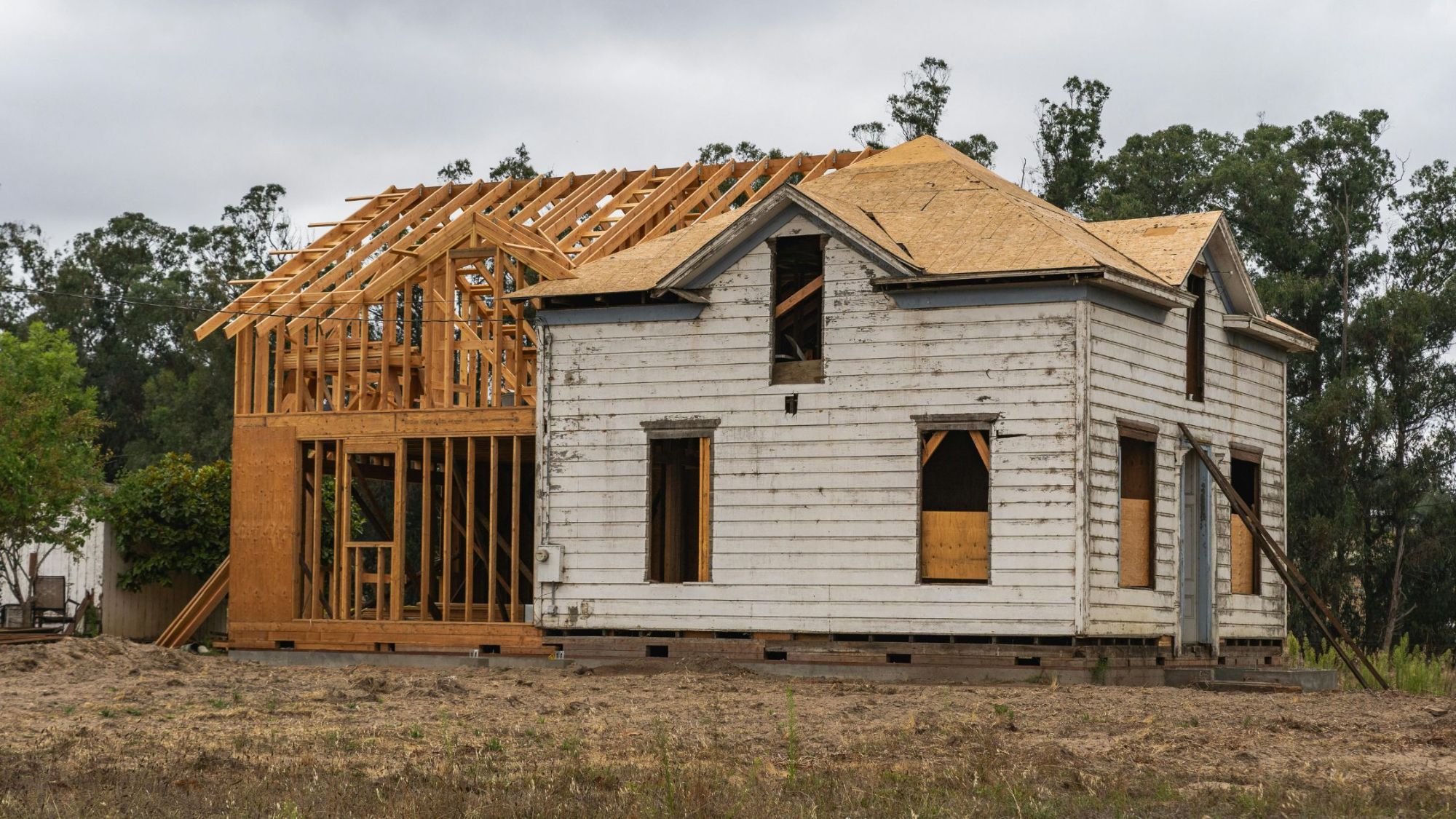
Making Smart New Construction Decisions
New construction offers incredible opportunities for buyers who understand the process and avoid common pitfalls. The key is having experienced representation from the start, maintaining realistic expectations about timelines and costs, and thoroughly vetting every aspect of the purchase.
With 14 years of experience in construction, remodeling and real estate in general, I bring unique insight to new construction purchases. My construction background allows me to evaluate quality, identify potential issues, and ensure you're getting value for your investment. I negotiate on your behalf, manage the building process, coordinate inspections, and protect your interests from contract through closing.
Whether you're considering new construction in Camas, Ridgefield, Salmon Creek, Orchards, or other Vancouver communities, I'm here to guide you through the process and help you avoid these costly mistakes.
Ready to Explore New Construction?
Don't navigate the new construction process alone. Let's discuss your goals, evaluate builders and communities, and create a strategy that protects your interests while getting you the home you want.
Schedule a discovery session to discuss new construction options
Sign up for my monthly newsletter to receive expert advice, important local updates, and insider knowledge on the best ways to thrive in this unique region. Whether you're buying, selling, or simply curious about life in the Pacific Northwest, I've got you covered.
👉 Join my newsletter today and never miss a beat! Just enter your email below and get exclusive access to all things Southwest Washington. Let’s stay connected!

REALTOR® · REAL Broker · Licensed in WA & OR
⭐ 5.0 Rating | 49 Google Reviews | 110 Homes Sold | $58.8M in Sales
Categories
Recent Posts






GET MORE INFORMATION

Cassandra Marks
Realtor, Licensed in OR & WA License ID: 201225764
Realtor, Licensed in OR & WA License ID: 201225764