
What You Should Do NOW If You Plan on Buying a Home in 2026
What You Should Do NOW If You Plan on Buying a Home in 2026
The new year is here, and if buying a home is on your 2026 resolution list, congratulations! You're about to embark on one of the most exciting journeys of your life. But here's the thing: successful home buyers don't just wake up one day and decide to start house hunting. The buyers who get the best deals, secure favorable loan terms, and experience the smoothest transactions are the ones who prepare in advance.
January is the perfect time to lay the groundwork for your home purchase. While the spring market is traditionally when activity heats up, the smart buyers are already taking action right now. Let me walk you through the three critical steps you need to take today to position yourself for home buying success in 2026.
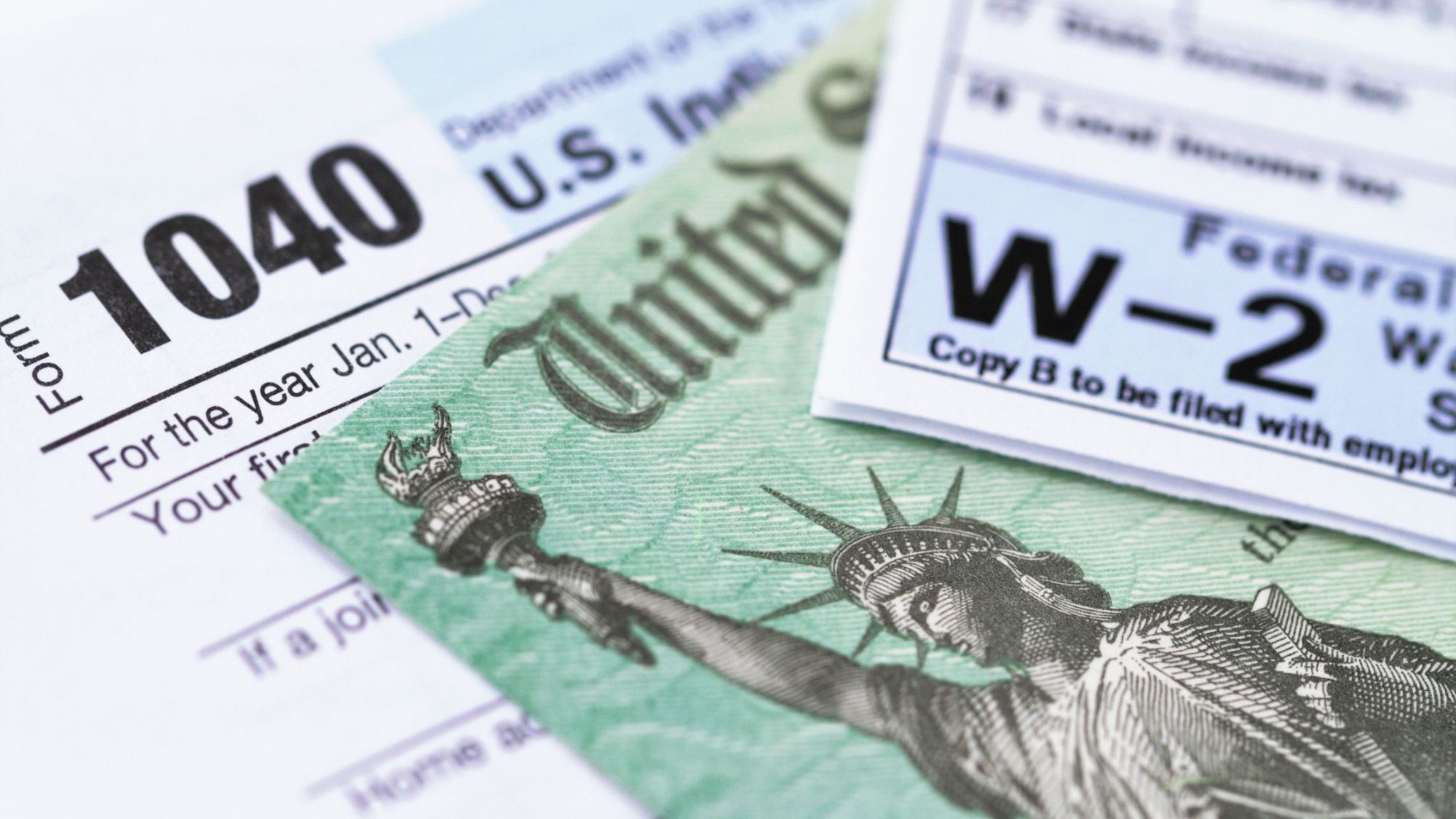
Step 1: Get Your Taxes Done ASAP
I know what you're thinking: "It's only January! Tax day isn't until April!" You're absolutely right, but if you're planning to buy a home this year, waiting until the last minute to file your taxes could seriously derail your plans.
Why Your Tax Returns Matter for Home Buying
Mortgage lenders require your tax returns as part of the loan application process. Typically, they'll ask for your last two years of tax returns to verify your income, assess your financial stability, and determine how much home you can afford. If you're self-employed or have income from multiple sources, your tax returns become even more critical in the qualification process.
Here's the catch: lenders need filed tax returns, not just prepared ones. That means the IRS needs to have received and processed your return. If you wait until April to file and you're ready to make an offer on a home in March or April, you could find yourself in a frustrating waiting game while your 2025 tax return processes through the IRS system.
The Strategic Advantage of Filing Early
Filing your taxes in January or early February gives you several advantages:
Faster loan approval: Your lender can pull your tax transcripts directly from the IRS once they're processed, typically within two to three weeks of filing. This speeds up your pre-approval and final loan approval significantly.
Identify and fix issues early: Sometimes tax returns reveal financial situations that might complicate your loan approval. Maybe your income appears lower than you thought, or there are deductions that raise questions. Filing early gives you time to work with your lender and accountant to address these issues before you're under contract on a home.
Accurate affordability assessment: Your most recent tax return gives lenders the clearest picture of your current financial situation. This means you'll get a more accurate pre-approval amount, preventing the heartbreak of falling in love with a home you can't actually afford.
Peace of mind: Once your taxes are filed, you can check this major item off your home-buying to-do list and focus on other preparation steps.
Schedule Your Tax Appointment Now
Don't wait for your W-2s and 1099s to trickle in throughout January. As soon as you receive your tax documents, schedule an appointment with your tax preparer or accountant. If you typically file your own taxes, block out time in your calendar to complete them as early as possible. Your future self, standing in your dream home, will thank you.
Step 2: Talk to a Realtor - That's Me!
After you've filed your taxes and connected with a lender, it's time to bring in your third team member: a real estate agent. While you might be tempted to browse listings on your own and reach out to an agent only when you're ready to make an offer, partnering with the best realtor early in the process provides invaluable advantages.
Why You Need a Realtor Before You Start House Hunting
As a realtor serving Vancouver, Clark County, and the Portland metro area, I work with buyers at every stage of their journey. Here's what I bring to the table when you work with me from the start:
Market expertise: I know the local market intimately. I can tell you which neighborhoods are trending up, where you'll get the most value for your budget, and which areas align with your lifestyle needs. If you're relocating from out of state, this local knowledge is absolutely critical.
Pricing strategy: In today's market, understanding pricing is an art form. I'll help you recognize when a home is priced fairly, overpriced, or the holy grail, underpriced. This knowledge helps you make competitive offers without overpaying.
Access to off-market opportunities: Sometimes the best homes never hit the public market. Through my network and industry connections, I often know about properties before they're officially listed, giving my clients a significant advantage.
Negotiation power: When it's time to make an offer, I'll develop a strategy that makes your offer stand out while protecting your interests. I'll negotiate not just price, but also contingencies, closing dates, and repairs.
Transaction management: Buying a home involves countless steps, documents, and deadlines. I'll manage the entire process, coordinate with your lender, the seller's agent, inspectors, and the title company to ensure a smooth closing.
What We'll Discuss in Our First Meeting
When you sit down with me to discuss your home buying plans, we'll cover several important topics:
Your timeline: Are you hoping to be in a new home by spring? Summer? Or are you flexible? Understanding your timeline helps me prioritize your search and advise you on market timing.
Your must-haves vs. nice-to-haves: We'll create a clear picture of your ideal home, then identify which features are non-negotiable and which ones you're willing to compromise on. This prevents you from wasting time looking at unsuitable properties.
Your budget and comfort level: Your lender might pre-approve you for a certain amount, but that doesn't mean you need to spend it all. We'll discuss what monthly payment you're comfortable with and ensure we're searching within your true budget.
Neighborhood preferences: Location, location, location! We'll explore which areas meet your needs for commute times, school districts, lifestyle amenities, and future resale potential.
Current market conditions: I'll give you an honest assessment of what you're facing as a buyer. Is it a seller's market where you'll need to act quickly? A balanced market where you have some negotiating room? Understanding market dynamics shapes our entire strategy.

The Strategy Session
Once we've covered the basics, we'll develop your personalized buying strategy. This includes:
- Setting up your home search criteria in the MLS
- Creating a schedule for home tours
- Discussing how to evaluate properties
- Planning for contingencies (what if your dream home needs work?)
- Preparing you for the offer and negotiation process
- Outlining the steps from accepted offer to closing day
Step 3: Talk to a Lender and Get Pre-Approved
Once your taxes are handled, your next critical step is connecting with a mortgage lender. Many first-time buyers make the mistake of house hunting before they understand their budget, which is like grocery shopping without checking your bank account first. You might fill your cart with items you can't actually afford.
Understanding Pre-Qualification vs. Pre-Approval
Let's clarify these terms because they're often used interchangeably, but they're quite different:
Pre-qualification is an initial assessment where you provide basic financial information to a lender (income, debts, assets), and they give you an estimate of how much you might be able to borrow. It's quick, informal, and doesn't involve a credit check or verification of your information.
Pre-approval is more thorough. The lender verifies your income, employment, assets, and credit. They run a credit check and review your financial documents. At the end, you receive a pre-approval letter stating the specific loan amount you're approved for, subject to finding a suitable property and final underwriting.
For serious home buyers in 2026, pre-approval is essential. In competitive markets like Vancouver and Clark County, sellers often won't even consider offers without a pre-approval letter. It shows you're a serious buyer who can actually close the deal. To be at the top of the multiple offer list competing with cash buyers we encourage you to actually get fully underwritten and with that your offer is almost as good as cash because the lender has fully vetted you and all your documents so unless something major changes you are ready to move as fast as cash closings of 14 days. This gives you a huge leg up and I have lenders that can do this for!
What Lenders Look At
When you meet with a lender, they'll evaluate several key factors:
Credit score: Your credit score significantly impacts your interest rate and loan options. Generally, you'll need a score of at least 620 for conventional loans, though some loan programs accept lower scores. The higher your score, the better your rate.
Debt-to-income ratio (DTI): Lenders calculate your DTI by dividing your total monthly debt payments by your gross monthly income. Most lenders prefer a DTI of 43% or lower, though some loan programs allow higher ratios.
Employment history: Lenders typically want to see at least two years of steady employment, preferably in the same field. If you're self-employed, they'll look at your business income over the past two years.
Down payment and assets: How much you have saved for a down payment, closing costs, and reserves affects your loan options. Contrary to popular belief, you don't always need 20% down, some loan programs require as little as 3-5%.
Income verification: This is where those tax returns come into play! Lenders will verify your income through tax returns, pay stubs, W-2s, and potentially bank statements.
Questions to Ask Your Lender
Come to your lender meeting prepared with questions:
- What loan programs do I qualify for (conventional, FHA, VA, USDA)?
- What interest rate can I expect based on my financial profile?
- How much do I need for a down payment and closing costs?
- What's my realistic monthly payment, including taxes and insurance?
- Are there any red flags in my financial situation that could affect my approval?
- What documentation do I need to gather?
- How long is my pre-approval valid?
The Lending Situation in 2026
The mortgage landscape in 2026 presents both challenges and opportunities. While interest rates have moderated from their peaks in recent years, they remain higher than the historic lows many of us remember from the early 2020s. This makes it even more important to shop around for the best rate and understand all your loan options.
Different lenders offer different rates, programs, and service levels. I always recommend talking to at least two or three lenders, perhaps a local bank, a credit union, and a mortgage broker to compare your options. A difference of even 0.25% in your interest rate can save you thousands of dollars over the life of your loan.
Affordability in Today's Market
Affordability is on everyone's mind. Home prices in many areas, including Vancouver, Clark County, and the greater Portland metro area, have remained strong. Combined with higher interest rates than we've seen in recent years, this means your purchasing power might feel stretched.
However, don't let this discourage you. A good lender will help you understand exactly what you can afford and explore all available programs. First-time buyer programs, down payment assistance, and various loan types can make homeownership more accessible than you might think. The key is having realistic expectations and being open to compromise on your wish list.
Frequently Asked Questions
"Do I really need to have my taxes filed before I start looking at homes?"
Yes, especially if you plan to buy in the first half of 2026. While you can certainly start browsing listings and getting a feel for the market, if you want to make an offer, your lender will need those tax returns. Filing early prevents delays when you find the right home.
"I'm self-employed. Does that make it harder to get a mortgage?"
Self-employed buyers can absolutely get mortgages, but you'll need to provide more documentation. Lenders typically want to see two years of tax returns and possibly profit and loss statements. This is another reason why filing your taxes early is crucial—it gives you time to address any complications that might arise from self-employment income.
"How much do I really need for a down payment?"
This depends on the loan program. Conventional loans can require as little as 3% down for first-time buyers. FHA loans require 3.5% down. VA loans (for veterans) and USDA loans (for rural properties) may require zero down payment. However, putting down at least 20% helps you avoid private mortgage insurance (PMI) and often secures better interest rates.
"Should I wait for interest rates to drop?"
This is the million-dollar question I hear constantly. Here's my honest answer: trying to time the market perfectly is nearly impossible. Yes, rates might drop in 2026, but they also might not. Meanwhile, home prices continue to appreciate in many markets. If you wait for perfect conditions, you might miss out on opportunities. Focus on what you can control, including your credit score, your savings, your preparation, and buy when you find the right home at a price that works for your budget.
"How long does the home buying process take?"
From the time you make an offer to closing day, expect 30-45 days on average. However, the entire journey from first lender conversation to closing, typically takes 3-6 months for most buyers. This is why starting your preparation in January for a spring or summer purchase makes perfect sense.
Take Action Today
If buying a home is part of your 2026 plans, don't wait for the perfect moment, create it. Here's your action plan for this week:
- Schedule your tax appointment or block time to file your taxes yourself
- Research and contact 2-3 mortgage lenders to schedule pre-qualification meetings
- Reach out to me, Cassandra Marks at Realtor Cas RE Group to schedule your buyer consultation
The buyers who take these steps in January position themselves for success throughout the year. They're the ones who can move quickly when they find the right home, who have confidence in their offers, and who experience smooth transactions.
Ready to make 2026 the year you become a homeowner? Let's connect and start your journey. Whether you're a first-time buyer navigating the process for the first time, a growing family needing more space, or someone looking to downsize and simplify, I'm here to guide you every step of the way.
Contact me today, and let's turn your homeownership dreams into reality.
Sign up for my monthly newsletter to receive expert advice, important local updates, and insider knowledge on the best ways to thrive in this unique region. Whether you're buying, selling, or simply curious about life in the Pacific Northwest, I've got you covered.
👉 Join my newsletter today and never miss a beat! Just enter your email below and get exclusive access to all things Southwest Washington. Let’s stay connected!

REALTOR® · REAL Broker · Licensed in WA & OR
⭐ 5.0 Rating | 49 Google Reviews | 110 Homes Sold | $58.8M in Sales
Categories
Recent Posts










GET MORE INFORMATION

Cassandra Marks
Realtor, Licensed in OR & WA License ID: 201225764
Realtor, Licensed in OR & WA License ID: 201225764