Five Types of Homes that You Should Avoid Buying in Vancouver Washington
5 Types of Homes That You Should Avoid Buying in Vancouver, Washington
A local Realtor's honest list of the home types that tend to cause more headaches than they're worth.

Buying a home is a big deal. It's an investment, a lifestyle choice, and, let's be honest, a test of patience. And in a fast-growing city like Vancouver, Washington, it's important to make smart choices so you don't end up with buyer's remorse. While every homebuyer has different needs, there are some homes that might cause more headaches than they're worth.
As someone who's seen it all (and maybe even made a few of these mistakes myself), I'm here to save you some trouble. So let's dive into five types of homes that you should avoid buying in Vancouver, Washington.
Homes on a Busy Road
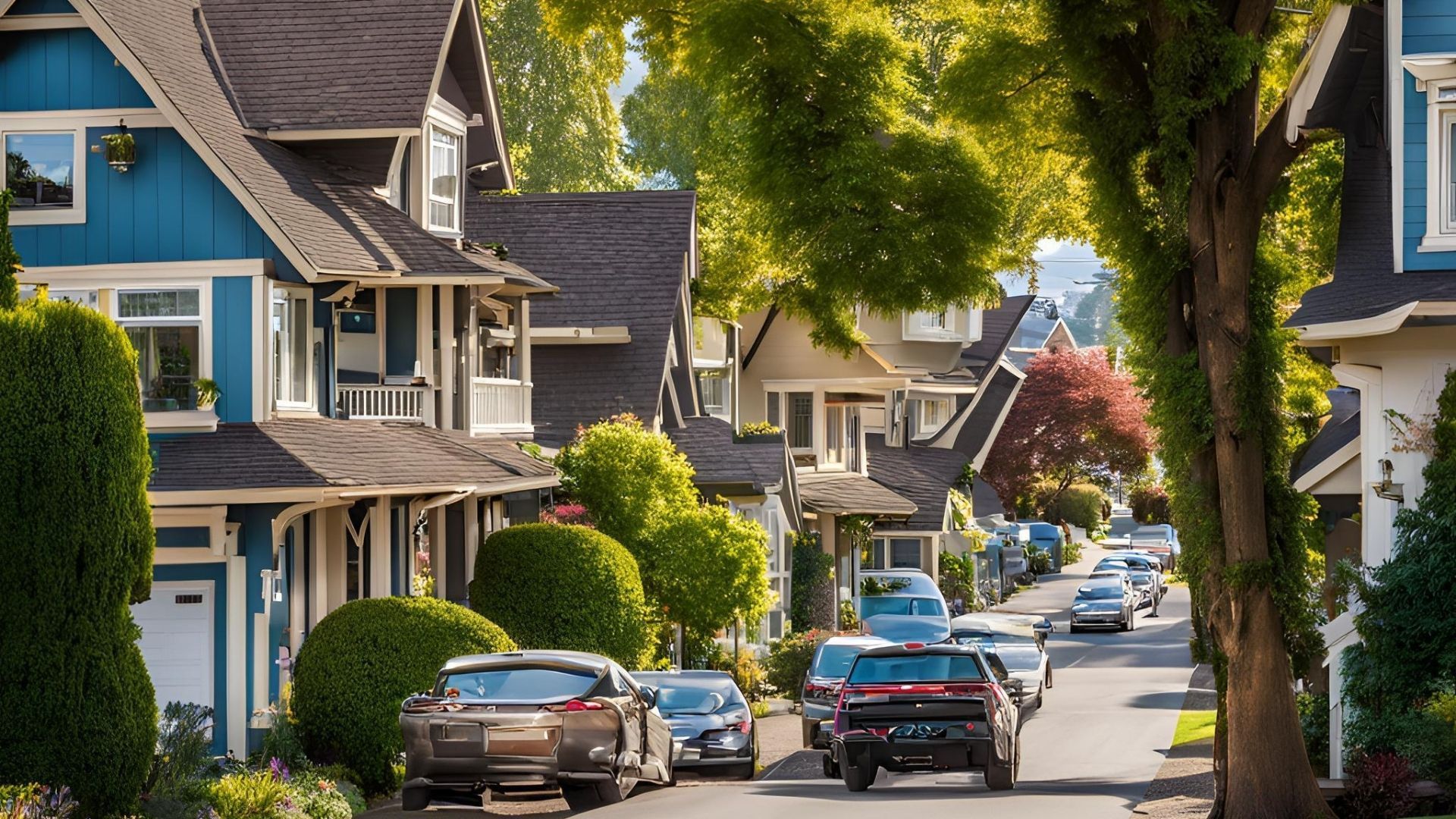
I know, I know. The house might be perfect, the price is tempting, and you tell yourself, "I'll get used to the noise." Spoiler alert: You probably won't.
I made this mistake myself, and let me tell you, constant traffic noise is no joke. Think revving engines, honking horns, and the occasional siren at 2 a.m.
Busy roads come with some other downsides:
- Higher levels of dust and debris (hello, constant cleaning).
- Potential safety concerns if you have kids or pets.
- Tricky driveway access (prepare for heart-stopping moments every time you pull in or out).
- Resale challenges, buyers will have the same concerns you do!
While homes on busy roads do sell, they often sit on the market longer and don't appreciate in value as quickly as homes in quieter neighborhoods. So unless you're getting a steal of a deal and have noise-canceling headphones glued to your ears, this is one type of home you may want to avoid.
The "Quick Remodel" Home
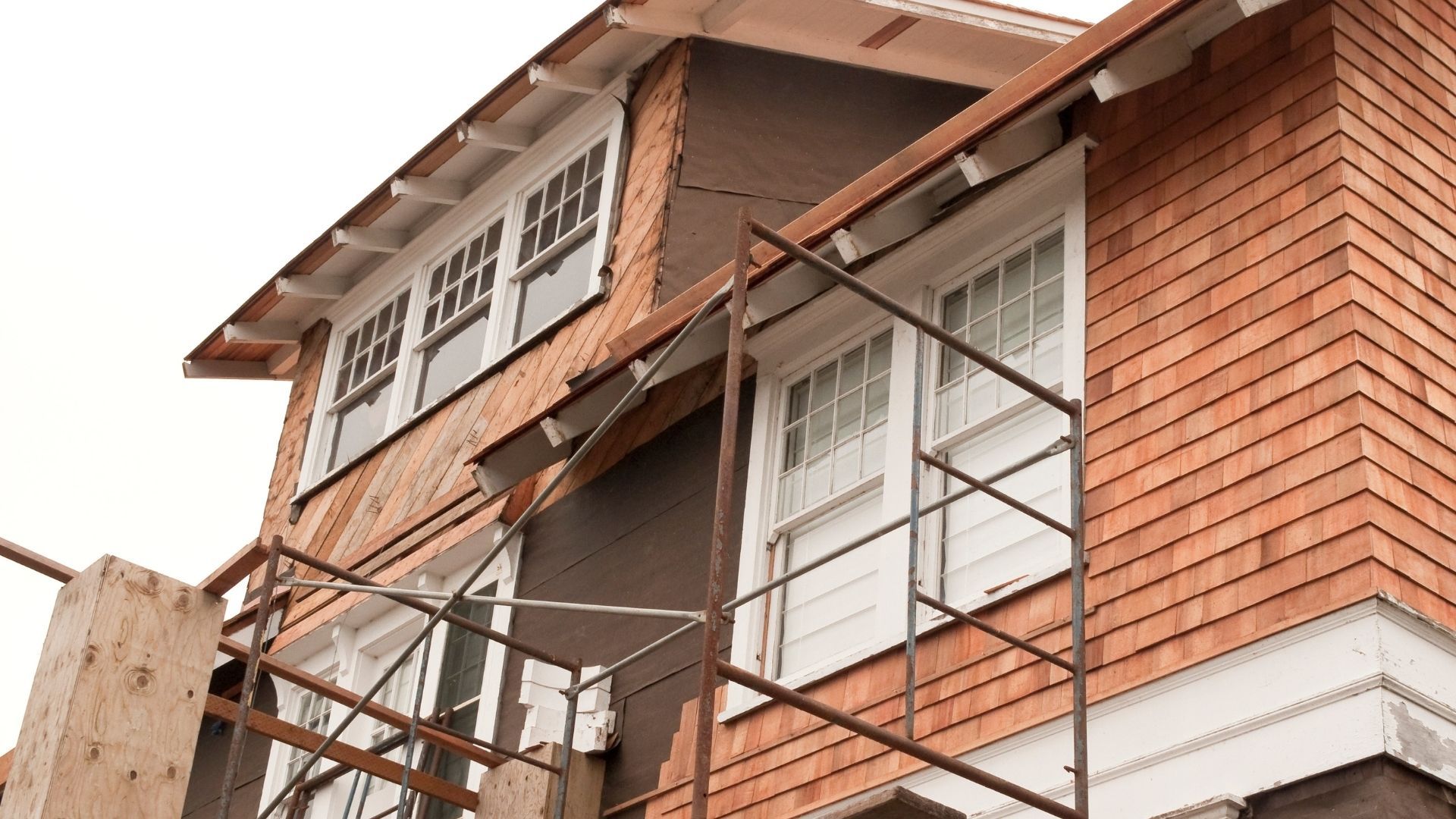
Ah, the freshly flipped home, the one that looks like it belongs on a home renovation show. Everything is shiny and new… or is it?
A quick remodel often means "lipstick on a pig."
These homes can be full of hidden issues, like:
- Cheap materials that won't stand the test of time.
- Cosmetic fixes that hide bigger problems (because slapping on some paint won't fix faulty wiring).
- Neglected major systems like plumbing, electrical, or the roof, aka the expensive stuff.
Always, always get a home inspection. A professional will spot issues that aren't obvious at first glance, and trust me, you want to know what's lurking behind those freshly painted walls before you sign on the dotted line.
The Best Home on the Block
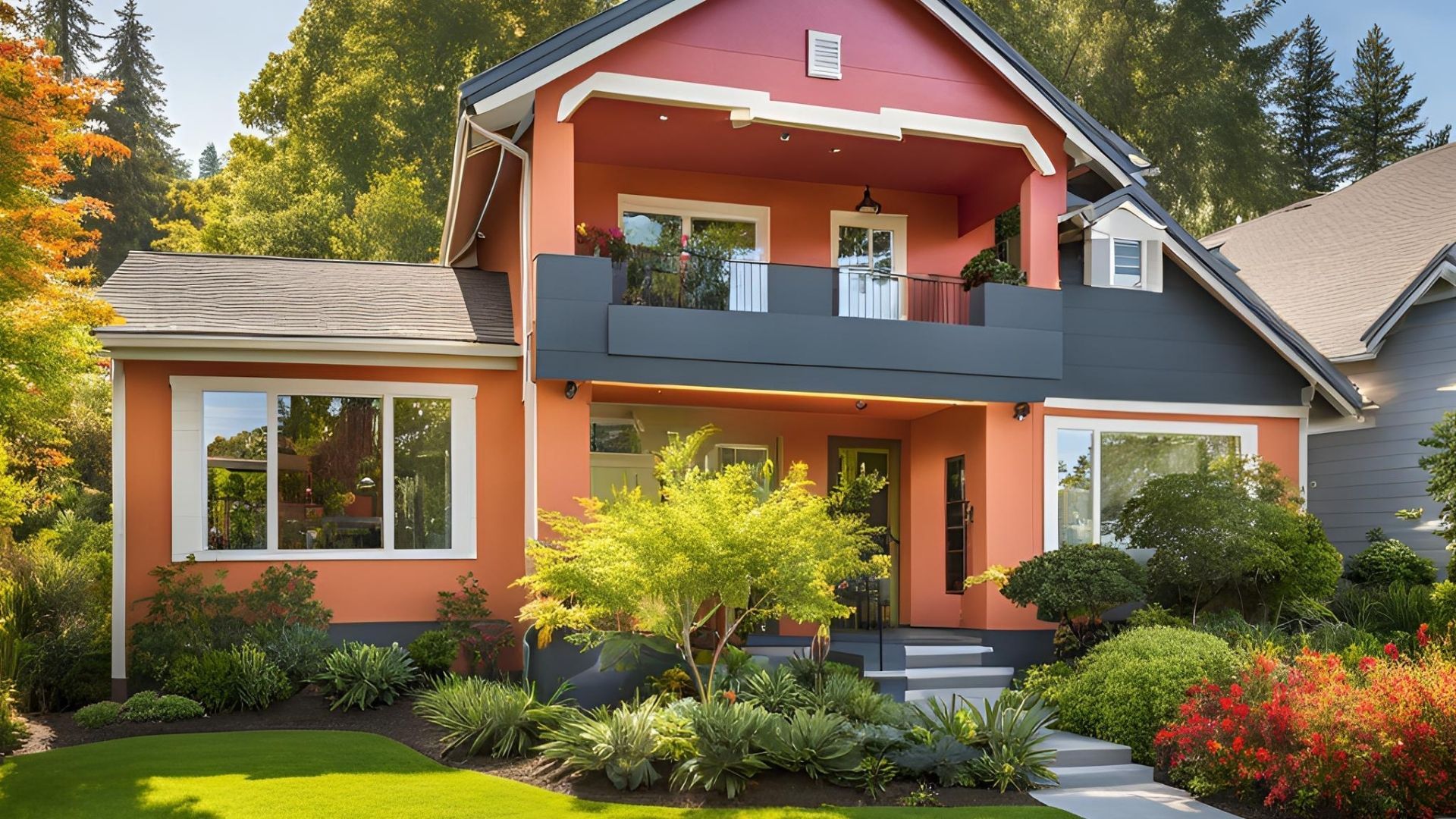
Being the envy of your neighbors might sound nice, but buying the biggest, fanciest home in the neighborhood isn't always the best investment.
Here's why:
- Your home's value may not appreciate as much as the smaller, more affordable homes around it.
- If you over-improve, you might not get your money back when it's time to sell.
- Buyers looking in the area might not want (or be able to afford) the "premium" home.
I once had clients who were ready to drop an extra $300,000 on a remodel to make their home perfect. My advice? Put that money into a different home in a higher-value neighborhood where the investment will actually pay off. They listened, and they're much happier for it!
The Fixer-Upper with No Clear Budget
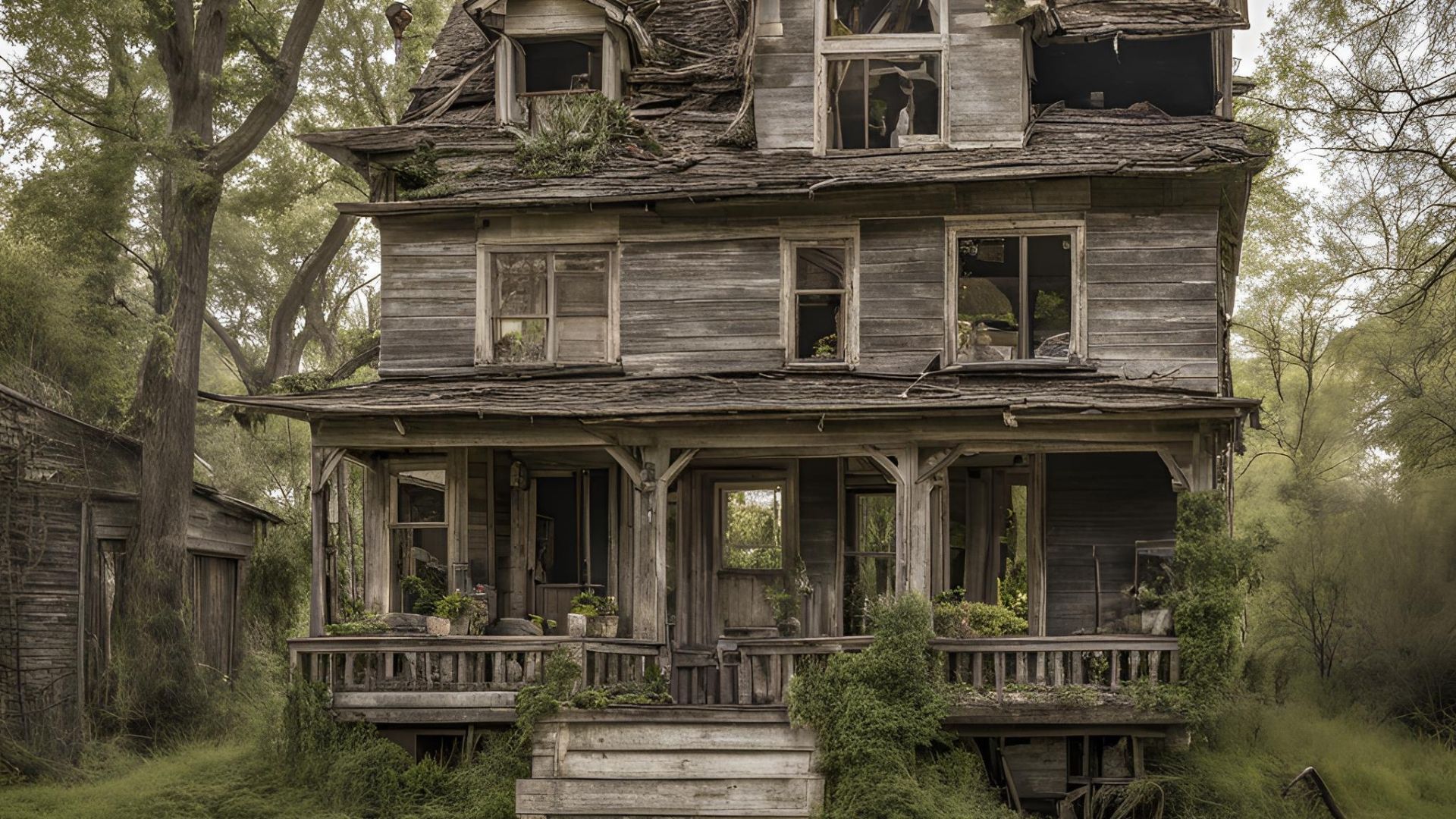
Let me tell you from experience, remodeling a home is not for the faint of heart. My husband and I have tackled multiple renovation projects, and while it's rewarding, it's also exhausting (and expensive).
Before you buy a fixer-upper, consider these realities:
- Renovations always cost more and take longer than expected.
- Your social life may suffer, friends might start to forget what you look like because you're always busy working on your house.
- Living in a construction zone is no fun (cooking on a grill for six weeks straight? Been there, done that).
And if you have kids, ask yourself, do you really want to spend every free moment on home projects instead of making memories with them? If the answer is no, look for a move-in ready home or one that only needs minor updates.
Homes That Don't Fit the Pacific Northwest Aesthetic
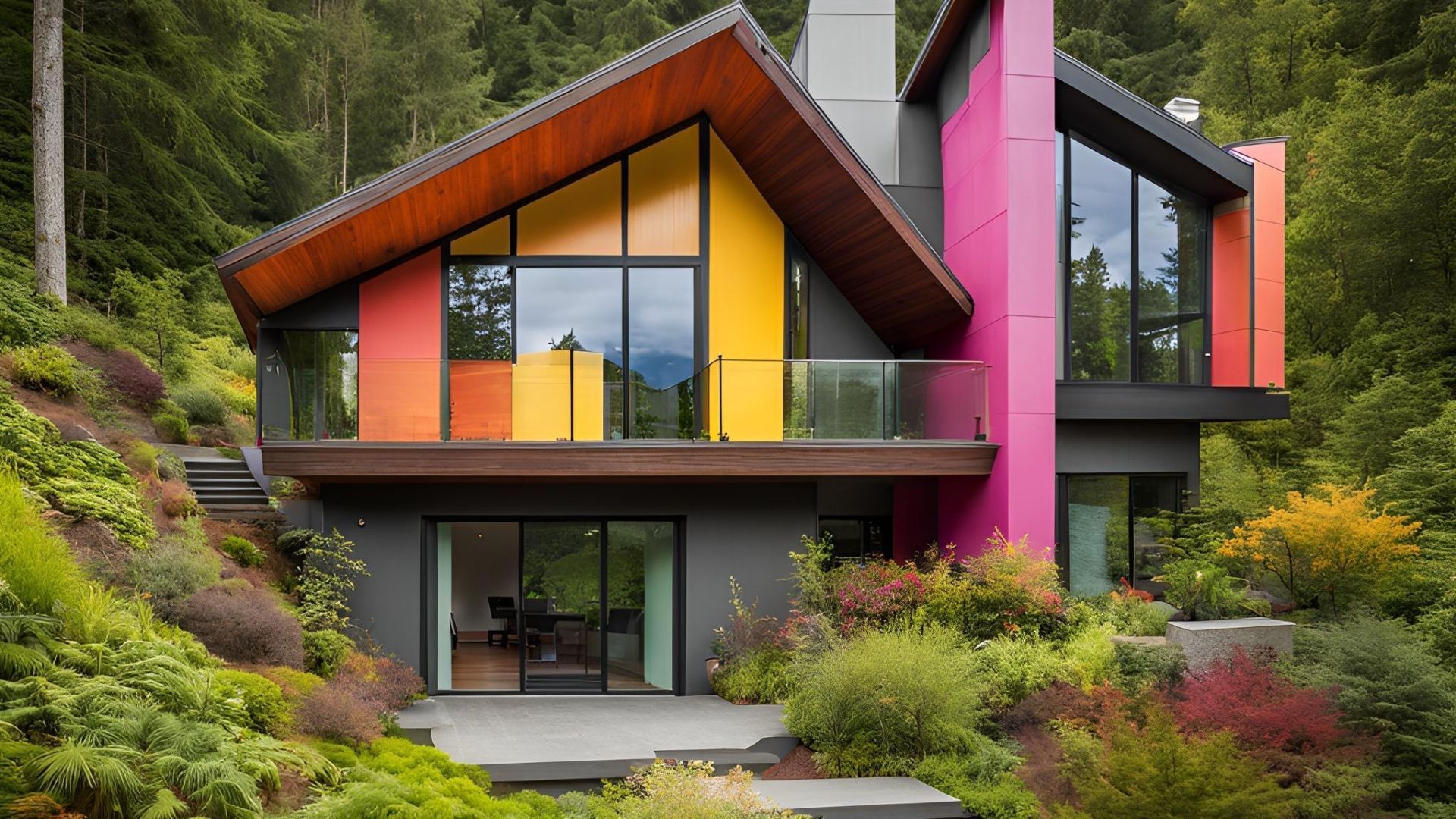
You might love Mediterranean villas or ultra-traditional Colonial homes, but if they don't match the Pacific Northwest vibe, you could struggle with resale later on.
Homes here are designed to embrace nature, with features like:
- Large windows for natural light (because let's be real, we need all the daylight we can get in winter).
- Outdoor living spaces (we love our decks and covered patios).
- Natural materials like wood and stone that blend with the environment.
There's a Colonial-style home in one of Vancouver's most desirable neighborhoods that has been sitting on the market forever. It's priced correctly, has great square footage, but it just doesn't fit in. Buyers around here want homes that reflect the PNW lifestyle, so if you're thinking long-term, choose wisely!
Final Thoughts
Look, no home is perfect. But if you can avoid these five common pitfalls, you'll save yourself a lot of stress (and probably some money, too). At the end of the day, the best home for you is the one that fits your lifestyle, budget, and long-term goals.
Need help navigating the Vancouver housing market? I've got your back. Whether you're looking for a move-in-ready gem or a fixer-upper that won't break the bank, I'm here to guide you every step of the way.
Happy house hunting!
Buying a Home in Vancouver, WA — Common Questions Answered
What is a red flag when buying a house?
Which type of house is best to live in?
What to avoid when buying a house?
What type of home has the best resale?
What is the biggest red flag in a home inspection?
How to tell if a house is in good condition?
What is the least desirable style house?
What type of house lasts the longest?
Which type of property is best to buy?
What should you not say when buying a house?
Looking for the Right Home in Vancouver, WA?
Sign up for my monthly newsletter to receive expert advice, important local updates, and insider knowledge on the best ways to thrive in this unique region. Whether you're buying, selling, or simply curious about life in the Pacific Northwest, I've got you covered.
Join My Newsletter Contact CassandraCategories
Recent Posts








GET MORE INFORMATION

Cassandra Marks
Realtor, Licensed in OR & WA License ID: 201225764
Realtor, Licensed in OR & WA License ID: 201225764