
5 Things You Must Give Up to Embrace Living in Rural Vancouver WA
5 Things You Must Give Up to Embrace Living in Rural Vancouver, WA
Quiet mornings and wide open land come with real trade-offs — here's what to expect before you make the move to the countryside.
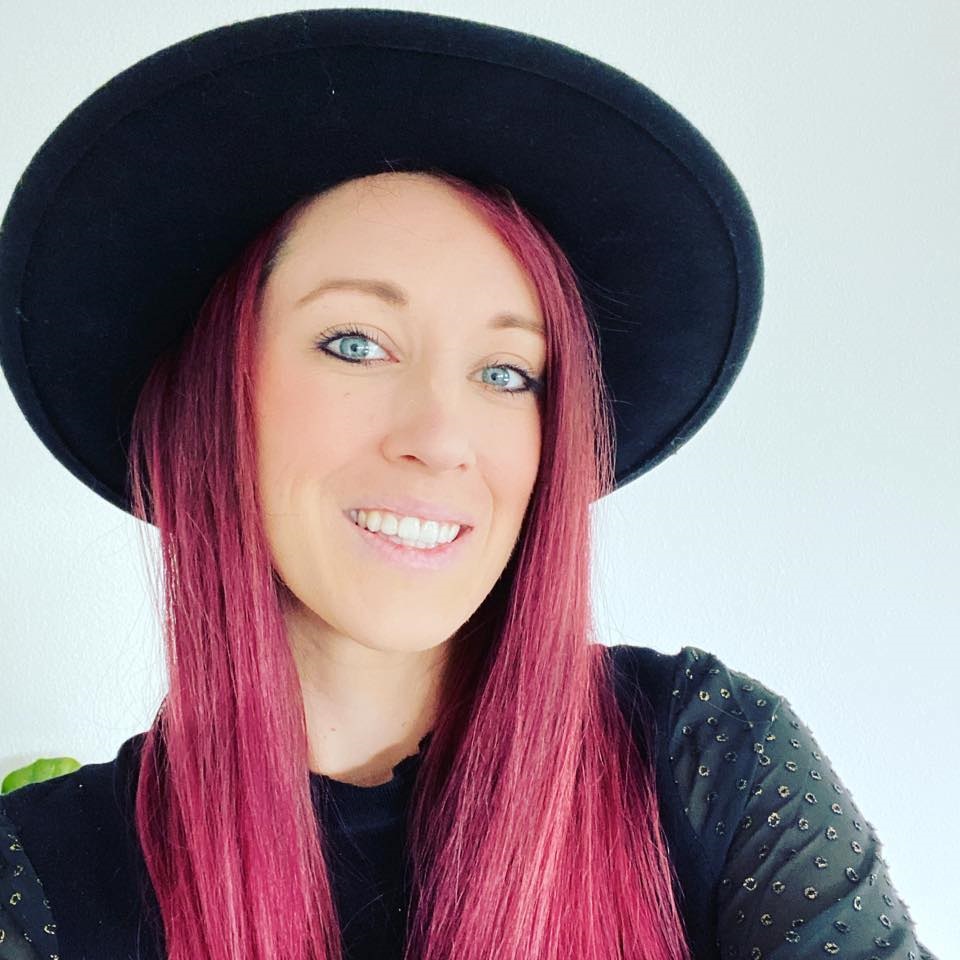
There's something special about rural life — quiet mornings, wide open land, and a slower pace that just feels right. But living in rural Vancouver WA isn't all fresh air and front porches. If you're moving here from a city or even the suburbs, there are a few things you'll need to let go of to truly enjoy the lifestyle.
I grew up on a farm in rural Minnesota and now help folks find their dream homes right here in the countryside around Vancouver, Washington. I know firsthand what it takes to adjust — and why it's absolutely worth it. In this post, I'm breaking down the top five sacrifices you'll need to make when moving to rural Vancouver WA — and what you gain in return.
Say Goodbye to Fast, Reliable Internet
Digital nomads and streamers, beware: rural internet is a different world. Living in rural Vancouver, WA means you'll need to make peace with the idea of limited high-speed internet options. Unlike urban areas where fiber optic or gigabit services are often standard, rural communities rely on fewer providers, and the performance often reflects that.

CenturyLink and the Struggle for Speed
CenturyLink is the most common provider in rural Southwest Washington, but their DSL speeds can be frustratingly slow, especially if multiple people in the household are working from home, video conferencing, or streaming. Buffering is common, and upload speeds may make Zoom meetings or uploading content feel like a test of patience.
Xfinity and Starlink: Hit-or-Miss Options
Some areas may have access to Xfinity, but coverage is inconsistent and should never be assumed — check availability by address. Another alternative is Starlink, Elon Musk's satellite internet service. While many rural residents have had success with it, there are trade-offs: the upfront equipment cost is around $600, and monthly service runs about $120. Over time, some users have also reported declining speeds as more subscribers join the network.
Septic Tanks & Toilet Paper Rules: A Whole New Bathroom Etiquette
When you move to rural Vancouver, WA, you're trading sewer lines for septic systems, and that change affects more than just where your wastewater goes. Living with a septic tank means rethinking how you treat your plumbing. This isn't just a minor adjustment; it's a whole new mindset.
No Garbage Disposals, Ever
Garbage disposals and septic tanks do not mix. Disposals introduce too much organic waste into the system, overwhelming the balance of bacteria that breaks down solids in your tank. That means you'll need to compost food scraps or toss them in the trash. Rural homes often skip the in-sink disposal entirely to avoid any risk.
The Great Toilet Paper Swap
If you're the type who loves plush, quilted 3-ply tissue, brace yourself. Septic-safe toilet paper is a must. Regular toilet paper takes too long to break down and can clog the system. Most locals recommend Costco's Kirkland brand septic-safe TP, which is both affordable and effective. Watch for labeling that says "septic-safe" or "fast-dissolving."
Using the wrong products or neglecting your septic system can lead to backups, foul smells, or costly repairs, sometimes in the $10,000+ range if your drain field fails.
Maintenance Is Mandatory
Septic systems require regular inspections and pumping (usually every 3–5 years depending on usage). You'll want to keep a maintenance log and be mindful of what goes down the drain, avoiding bleach, antibacterial soaps, and non-biodegradable products.
Clark County requires septics to be inspected every 2 years and reported to the county. You can hire a septic company to do it for about $150, or take a class and do it yourself. Clark County also has an initiative called Poop Smart Clark — when it's time to pump a 4-bedroom home (1,200 gal septic), inspection and pumping runs about $1,000, but Poop Smart Clark will reimburse you if you use one of their qualified professionals and apply.
Well Water: No Monthly Water Bill, But That Doesn't Mean It's Free
Living in rural Vancouver, WA means you'll likely have your own private well water system, a big departure from the city's public utilities. While it can feel empowering to tap into your own natural water source, there are trade-offs to be aware of, some costly, others inconvenient.
Say Goodbye to the Water Bill, But Budget for Maintenance
There's no monthly water bill, but that's because you're footing the cost of drilling, pumping, filtering, and maintaining your well system. Over time, expenses can add up:
- Pump replacement every 10–15 years
- Filtration systems for hard water, iron, or sulfur
- Pressure tanks and electrical controls
And yes, wells run on electricity. So if the power goes out, your water does too.
Water Quality Isn't Always Guaranteed
Not all wells are created equal. Some produce crystal-clear water with great pressure. Others might deliver water that smells like rotten eggs (hello, sulfur), leaves rust stains in your tub, or has high mineral content that requires treatment. Well testing is crucial before buying a rural property. You'll want to check for things like:
- Bacteria (coliform or E. coli)
- Lead, arsenic, or nitrates
- pH levels and mineral content
Backup Power Is a Must
Since wells run on electricity, having a backup plan is essential, especially during winter storms or wildfire precautions. If a whole-home generator isn't in your budget, consider having an electrician install a generator plug on your well house. We had one added for about $150, then picked up a dual-fuel generator from Costco to keep the water flowing during outages. Some rural homeowners also store emergency water in large containers or invest in gravity-fed rainwater systems as a secondary source. Others go a step further with solar backups or whole-home generators to keep their well pumps running no matter what.
Electricity & Heat: Prepare to Be Your Own Utility Company
In rural areas near Vancouver, Washington, reliable electricity isn't guaranteed, especially when you live farther from the power grid. Outages aren't rare, they're a seasonal expectation. And unlike city living, you can't always count on a quick fix or fast utility response times.
Power Outages Are More Common Than You Think
In the city, a flickering light might mean a short-lived inconvenience. In the countryside? It might mean hours, or even days, without lights, heat, or running water (especially if you rely on a well). Windstorms, falling trees, ice, and wildfire-prevention shutoffs are all common causes. Local utility providers, like Clark Public Utilities, sometimes preemptively cut power during dry, high-risk wildfire seasons as a safety measure.
Rural homeowners quickly learn to keep flashlights and lanterns handy, store bottled water, charge battery backups for phones and tools, and stockpile firewood and propane.
Whole-Home Generators and Alternative Heat Sources
Having a whole-house generator is often considered essential. Generators keep your well pump, refrigerator, internet, and HVAC system running when the grid fails. While solar systems with battery backup are becoming more common, they can be costly upfront. Still, many rural homeowners are turning to off-grid energy to reduce their dependence on the public power supply.
And let's talk heat — many homes rely on electric heat, propane, or oil furnaces, but almost all rural folks invest in wood-burning stoves. Not only are they cost-effective, but they also provide reliable heat during long power outages. Just make sure your insurance policy covers wood heat, it's something many first-time buyers overlook.
Distance from Amenities & Emergency Services: Living Off the Beaten Path
One of the biggest lifestyle shifts when moving to rural Vancouver, WA, is adjusting to the distance from modern conveniences. The serenity of the countryside comes at a price: time, fuel, and preparation. Those 5-minute Target runs and Uber Eats deliveries? They're probably off the table.
Your Quick Errands Just Became a Day Trip
Living rural means grocery stores, gas stations, hardware stores, and even your favorite coffee shop are often 20–30 minutes (or more) away, one way. That means a simple forgetful moment, like running out of butter or dog food, can derail your whole day. Most rural homeowners learn to shop with lists and plan meals in advance, buy in bulk and use freezers or pantries, combine errands into one trip to town, and keep essentials stocked at all times.
Emergency Services Aren't Around the Corner
Another reality of rural life: emergency response times are longer. If you're used to firetrucks or ambulances showing up within 5–10 minutes, be aware: rural response can take 20–40 minutes or longer, depending on your location and road access.
That makes personal safety and preparedness more important than ever. Many rural folks take first aid and CPR classes, keep trauma kits in their home and vehicles, maintain clear signage and address markers for responders, and build relationships with local volunteer fire departments. If you're on a farm or remote acreage, accidents can happen, from chainsaw slips to animal injuries. Being ready to stabilize a situation until help arrives is a must.

Final Thoughts on Living in Rural Vancouver, WA
Yes, you give up convenience, but you gain peace, privacy, land, and self-reliance. Rural living isn't for everyone, but for those who crave space, quiet, and connection to the land, it's more than worth it.
Living in rural Vancouver WA comes with its own unique challenges, but for many, the rewards far outweigh the sacrifices. The peace, the land, and the connection to nature offer something you just can't find in the city. If you're ready to give up fast internet, public utilities, and instant access to amenities in exchange for wide open skies and a slower pace of life, rural Southwest Washington might be the perfect place for you.
As someone who's lived the rural life, and helps others do the same, I'm here to help you navigate the transition with confidence. If you're thinking about buying land or moving to the outskirts of Vancouver, WA, reach out anytime. I'd love to help you find the perfect spot to call home.
Living in Rural Vancouver, WA — Common Questions Answered
What internet options are available in rural Vancouver, WA?
Do rural homes near Vancouver, WA use septic systems?
How much does septic maintenance cost in Clark County?
Do rural homes in Vancouver, WA use well water?
How common are power outages in rural Vancouver, WA?
How far are amenities and emergency services from rural Vancouver, WA?
Thinking About Moving to Rural Vancouver, WA?
As someone who's lived the rural life and helps others do the same, I'm here to help you navigate the transition with confidence. If you're thinking about buying land or moving to the outskirts of Vancouver, WA, reach out anytime.
Contact Cassandra Join My NewsletterCategories
Recent Posts







GET MORE INFORMATION

Cassandra Marks
Realtor, Licensed in OR & WA License ID: 201225764
Realtor, Licensed in OR & WA License ID: 201225764