
Washington Natural Gas Ruling I-2066: Home Value Impact
Washington Natural Gas Ruling (I-2066): What It Means for Your Home Value
The Supreme Court struck down the voter-approved gas measure. Here's what it does, and doesn't, mean for your bills, your home, and your equity.
What did the Washington Supreme Court decide about natural gas? On September 17, 2026, the court ruled 6-3 that Initiative 2066 is unconstitutional in its entirety because it bundled multiple subjects into one ballot measure. The ruling does not ban natural gas and does not require you to convert a gas home to electric. What it does is let state and local officials keep encouraging electrification, so future codes and incentives could shift. A full gas-to-electric conversion can cost from a few thousand dollars to $50,000 to $75,000 on a larger or older home, and research on home value points in more than one direction. The smartest move is to know the age and cost of your systems now.
If your home has a gas furnace, a gas stove, or a gas fireplace, you have probably seen the headlines. If your home is all-electric, this matters to you too, because it touches what buyers want, what upgrades cost, and what your home may be worth when it's time to sell.
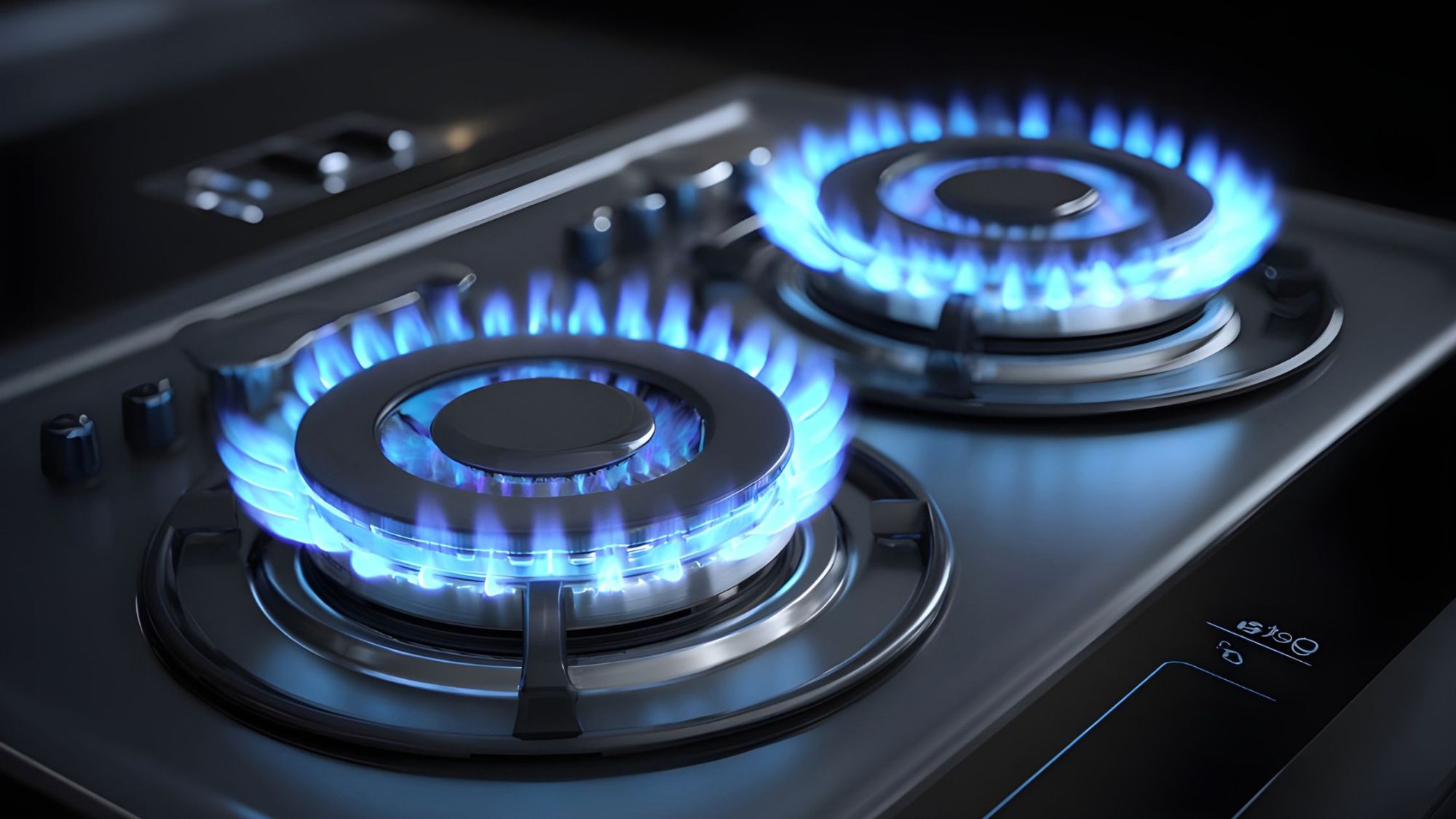
I'm a Realtor, not a lawyer, and I'm not here to tell you how to feel about it. People I respect are on both sides. My job is to explain what actually happened, what it could mean for your monthly bills and your equity, and what to do next. I'll be straight about what we know and what nobody knows yet.
What Happened With I-2066?
The ruling in plain English
In November 2024, Washington voters approved Initiative 2066 with roughly 52% of the vote. It was backed by the Building Industry Association of Washington and the group Let's Go Washington. According to the Secretary of State's explanatory statement, the measure said state and local governments "shall not in any way prohibit, penalize, or discourage the use of gas." It also:
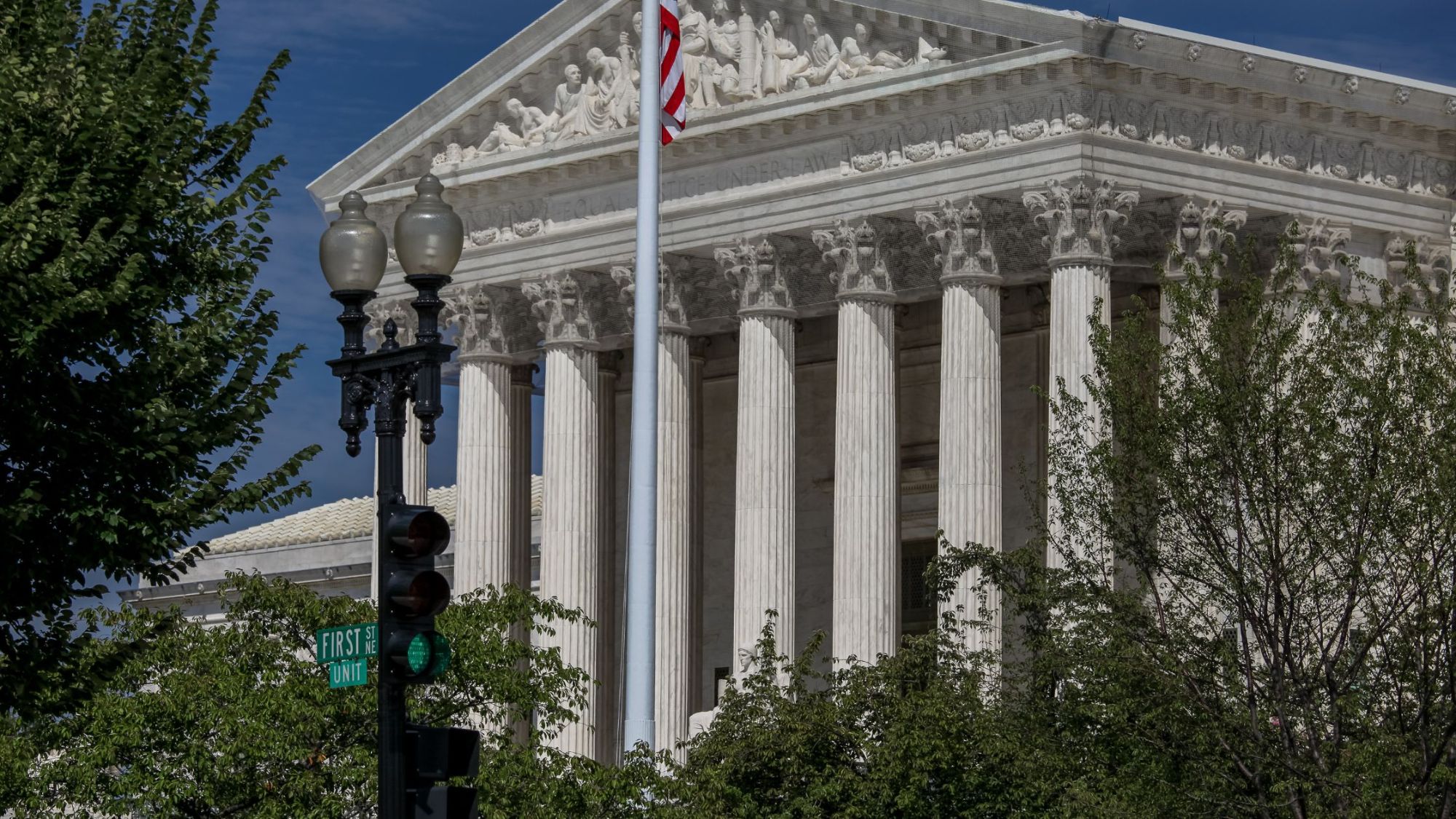
Climate groups, Seattle, and King County sued after it passed, arguing the measure bundled too many separate policies into one ballot item. A King County judge agreed, and on September 17 the Washington Supreme Court did too, in Climate Solutions v. State of Washington.
Writing for the 6-3 majority, Chief Justice Debra Stephens said I-2066 covered four separate subjects: access to natural gas, limits on local air-quality authority, changes to statewide building codes, and changes to the state's Decarbonization Act. Because the pieces couldn't be separated, the whole measure was declared unconstitutional. Three justices dissented and argued that much of the initiative could have been saved.
The key detail: the court ruled on how the initiative was written, not on whether people should be allowed to use natural gas. Axios Seattle reported that opponents called it a win for efforts to cut carbon emissions, while backers called the decision biased and one-sided and said their goal was to keep energy costs down for families.
What happens next? The Building Industry Association of Washington told KUOW it has no plans to appeal. A state lawmaker quoted by the Spokesman-Review said he will keep working with builders on a path forward in the Legislature. Axios noted the thing to watch is whether backers pursue narrower efforts to roll back energy-efficiency rules. This is a developing story, and the rules that affect your home could keep shifting.
Can I Still Use My Gas Furnace, Stove, and Fireplace?
Yes. Nothing in the ruling forces a change
The ruling does not ban natural gas, and it does not make you remove a gas appliance or convert your home. It removes the protections I-2066 would have created. It does not add new restrictions on existing homes, and I'm not aware of any requirement that forces current homeowners to convert.
What it changes is the direction of the policy conversation. Without I-2066, state and local officials have more room to continue policies that encourage buildings to move away from gas, such as building-code incentives for heat pumps. Whether and how they do that is up to future decisions. That's why I'd rather you understand your options now than be surprised later.
Gas + Electric vs. All-Electric: Two Ways to Pay
What each kind of home looks like day to day
| All-electric home | Gas + electric home | |
|---|---|---|
| Utility bills | One: electricity | Two: electricity plus natural gas |
| Typical equipment | Heat pump or electric furnace/baseboard, electric water heater, electric or induction range | Gas furnace, gas water heater, gas range, sometimes a gas fireplace |
| Cooling | A heat pump heats and cools in one system | Usually a separate air conditioner, if there is one |
| Maintenance | One fuel, no combustion appliances | Two systems, plus venting and gas line safety checks |
| Power outages | Everything depends on the grid | Some gas fireplaces and stoves may still work, but a gas furnace's blower needs electricity |
In most of Clark County, Clark Public Utilities provides electricity, and NW Natural provides natural gas to customers in Southwest Washington. Confirm who serves your address.
Which one is cheaper to run? It depends, and both sides have data. Washington has some of the lower electricity prices in the country thanks to hydropower. The U.S. Energy Information Administration's Washington state profile showed an average residential price of 13.79 cents per kWh versus 18.07 cents nationally in the period I reviewed (September 2025). Electricity rates have been rising, so check your latest bill.
Heat pumps are also far more efficient than old electric heat. ENERGY STAR says an air-source heat pump can deliver up to three times more heat energy than the electricity it uses, and its heat pump water heater guide says certified units use about 70% less energy than a standard electric water heater.
On the other side, NW Natural says that for most of its customers, natural gas furnaces are cheaper to operate than electric heat pumps under a variety of conditions. Your real numbers depend on your home's size, insulation, ductwork, equipment, and current rates. Ask both utilities for a usage estimate for your address before making a big decision.
How Much Does It Cost to Convert a House From Gas to Electric?
The honest answer: it depends on the house
This is the question I get most. Published ranges I found for the individual pieces look like this:
| Piece of the project | Typical published range |
|---|---|
| Heat pump system replacing a gas furnace (ducted) | About $8,000 to $18,000, and up to $25,000 for larger homes |
| Electrical panel upgrade to 200 amps (if needed) | About $2,000 to $5,000 |
| Heat pump water heater, installed | Roughly $2,000 to $7,000, depending on the unit and install |
| Range/cooktop, dryer, ductwork changes, insulation and air sealing, gas line capping, permits | Varies widely by home |
Add it all up on a larger or older home that needs new ductwork, a bigger electrical service, and other upgrades, and a full conversion can run $50,000 to $75,000. A smaller, newer home with good ducts and a healthy panel can cost far less. The only way to know your number is written quotes from licensed contractors.
Rebates and tax credits: what changed
Will the Natural Gas Ruling Affect My Home Value?
What the research says, and where I refuse to overpromise
The case that electric and heat pumps help value
The case that gas still helps value
What I'd actually watch for. I have not seen reliable data on what a future move away from gas would do to home values in Clark County, and anyone who tells you they know for certain is guessing. Here's how it could touch your equity:
Want to know what your home is worth and how its systems factor in? Start with a free home value check, or read how I approach pricing your Vancouver home.
Can New Construction Homes in Washington Still Have Gas?
Yes, but the energy code nudges builders toward heat pumps
The 2021 Washington State Energy Code took effect March 15, 2024 (see the State Building Code Council's residential code). An earlier draft would have required heat pumps for space and water heating in new homes. The final version dropped that requirement, according to BetterBuiltNW's breakdown, but homes that burn gas have to earn more energy-efficiency credits than homes with heat pump heating. That's the type of incentive I-2066 would have rolled back, and it's why the ruling matters to builders and buyers.
If you're considering a new build, ask each builder what heating, water heating, and cooking systems come standard and what the options cost. Gas line and outlet decisions especially can't wait until after the walls go up. Start with buying new construction in Vancouver, new construction vs. resale, and Design Center 101.
Other Developing Stories That Touch Your Wallet
Energy rules are one piece of what it costs to own a home here
Two other stories I'm following for Clark County homeowners are the I-5 bridge and Washington's tax changes. I've written about both: Clark County's I-5 bridge crisis, what SB 6346 means for Vancouver residents, and my property tax guide.
What Should Homeowners, Buyers, and Sellers Do Now?
A simple action checklist
If you own a home with gas
If you own an all-electric home
If you're buying
If you're selling
What's on the Ballot This November?
Election Day is Tuesday, November 3, 2026
According to MyNorthwest, five state Supreme Court seats are on the ballot. Whatever you think of this ruling, in either direction, it came before the election, so voters can weigh it as they choose. Please read your ballot and vote. Housing rules get decided by the people who show up.
Making Smart Decisions About Your Home
Frequently Asked Questions
The Washington natural gas ruling, common questions
What did the Washington Supreme Court rule on I-2066?
Is Washington banning natural gas?
Can I still use my gas stove and furnace in Washington?
Do I have to convert my house from gas to electric?
How much does it cost to convert a house from gas to electric?
Do heat pumps increase home value?
Does natural gas add value to a home?
Is it cheaper to heat with gas or electricity in Washington?
Who provides natural gas and electricity in Vancouver, WA?
Are there rebates for switching from gas to electric in Clark County?
Can new construction homes in Washington still have gas?
Will the natural gas ruling lower my home's value?
Wondering How This Affects Your Home or Your Search?
Let's look at your home's systems, your neighborhood, and your numbers, so headlines don't make your decisions for you.
See What Your Home Is Worth Book a Buyer Discovery Session Book a Seller Session Join Our Facebook Group
Categories
Recent Posts




GET MORE INFORMATION

Cassandra Marks
Realtor, Licensed in OR & WA License ID: 201225764
Realtor, Licensed in OR & WA License ID: 201225764