
East vs. West Vancouver, WA: Lifestyle, Price & Commute
East Vancouver vs. West Vancouver, WA: Lifestyle, Price & Commute Compared
What actually differs between the two sides of the city - and why the coming I-5 toll changes the calculus for anyone commuting to Portland or PDX.
East Vancouver (east of I-205, out toward Fisher's Landing, Cascade Park, and Orchards) generally offers newer homes, more space for the money, and - once I-5 bridge tolls begin, currently anticipated as early as 2027–2028 - a stronger position for anyone commuting to Portland or flying out of PDX. West Vancouver (spanning the older, close-in core near downtown as well as the affluent northwest pocket around Felida and Salmon Creek) tends to run pricier overall and leans more heavily on I-5, which is about to get more expensive and, at peak times, slower. Neither side is wrong, but the ground is shifting under this decision faster than most comparisons account for.
This question comes up on nearly every buyer consultation I run, and lately it comes with a new wrinkle: people have started asking not just which side of Vancouver fits their lifestyle today, but which side makes more sense once I-5 tolling begins. That's a fair question, and it's one most "East vs. West" guides haven't caught up to yet.
This covers what actually differs in lifestyle and cost of living between the two sides of the city, then walks through the commute question in detail, including the traffic diversion numbers behind the coming I-5 toll and why they matter more for one side of town than the other. If you're relocating from Portland specifically, my Washington vs. Oregon tax comparison is worth reading alongside this one.
Is This About Vancouver, WA or Vancouver, BC?
A quick clarification before we get into it
If you've searched "East Vancouver vs. West Vancouver" and landed here, there's a good chance some of what you found online was actually about Vancouver, British Columbia - a different city entirely, 300+ miles north, with its own East Side/West Side divide built around Main Street and SkyTrain access. That's not this.
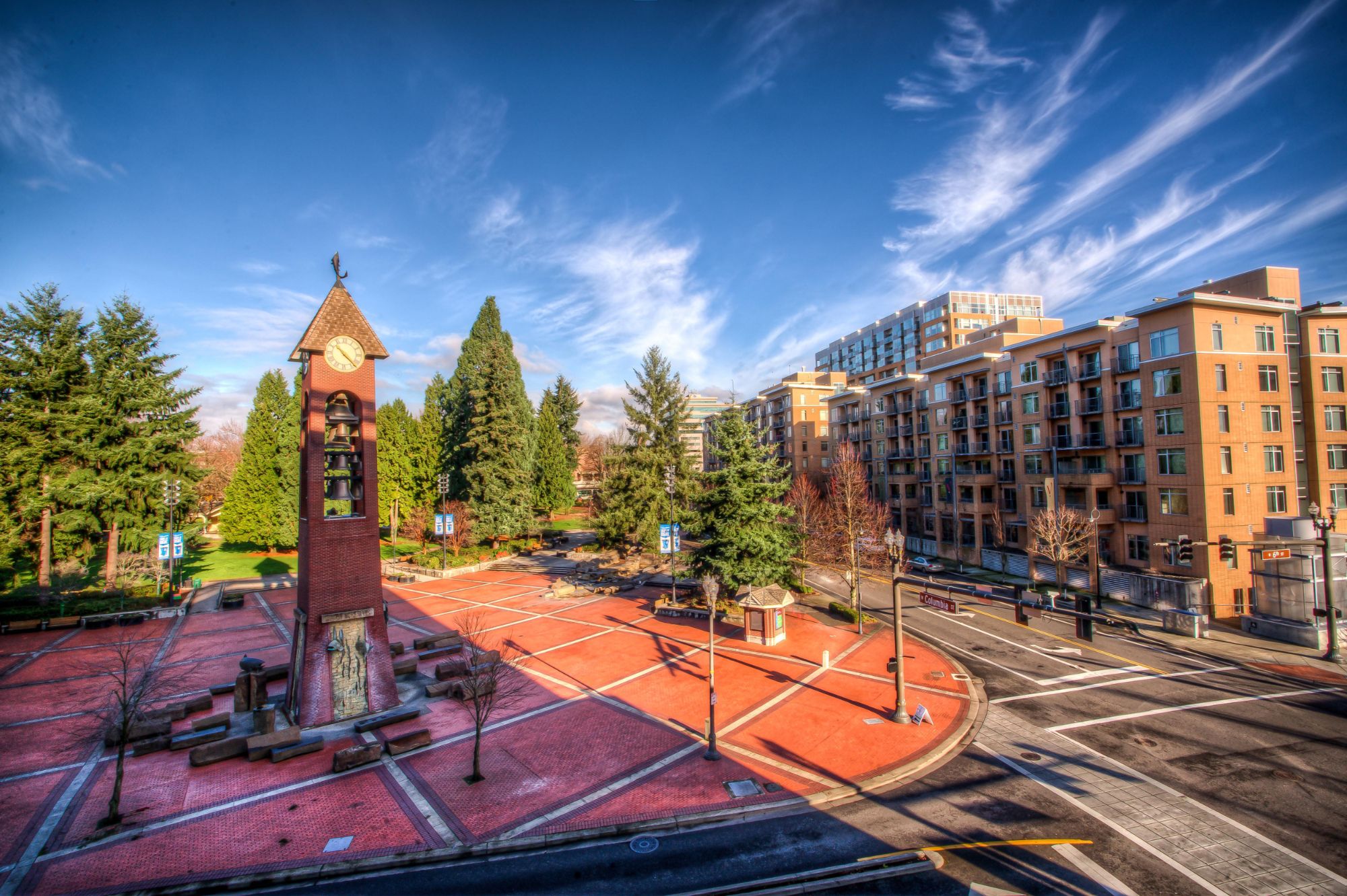
This guide is about Vancouver, Washington - the city across the Columbia River from Portland, Oregon, where the east/west split isn't about beaches and boutiques, it's about which freeway corridor you're near and how you get to work. In Vancouver, WA, the rough dividing line most locals use is I-205. West of it is the older, established core: downtown, Fourth Plain, Hazel Dell, and the neighborhoods that grew up along the original I-5 corridor. East of it is the newer Vancouver: Fisher's Landing, Cascade Park, Cascade Highlands, and the Orchards area pushing out toward Camas.
East Vancouver WA vs. West Vancouver WA: Quick Comparison
The short version, side by side
| West Vancouver, WA | East Vancouver, WA | |
|---|---|---|
| Vibe | Older, established, walkable pockets | Newer, suburban, more space between homes |
| Housing stock | Character homes, smaller lots, mixed ages | Later-built, larger lots, consistent layouts |
| Typical price | Widest range - from the city's most affordable older stock to its single priciest neighborhood (Felida) | More consistently mid-to-upper tier |
| Freeway access | I-5 corridor | I-205 corridor |
| Downtown Portland commute | Often faster today | Slightly longer today, more resilient once tolling begins |
| PDX airport access | Requires connecting to I-205 or I-84 | Direct via I-205 |
| Best for | Downtown commuters, walkability, character | Airport travelers, east Portland/Gresham commuters, newer construction |
What Is It Like Living in East Vancouver vs. West Vancouver, WA?
How daily life actually differs
West Vancouver isn't one lifestyle - it's really two. The close-in core - Arnada, Shumway, Esther Short - trades on walkability. You can get to coffee, a park, and a restaurant without getting in a car. Homes tend to be older, with more architectural character, sitting on smaller lots. Further northwest, Felida, Salmon Creek, and Lakeview are a completely different feel: quiet, suburban, larger lots, top-rated schools, and some of the newest, most affluent housing stock in the entire city - closer in spirit to East Vancouver's newer neighborhoods than to downtown's walkable streets.
East Vancouver feels more suburban by design across the board. Neighborhoods like Fisher's Landing, Cascade Park, and the areas stretching toward Orchards were largely built out later, so streets are wider, lots are bigger, and the housing stock skews newer - which usually means fewer near-term maintenance surprises for buyers, especially compared to what you'd budget for in our home maintenance costs guide. Daily errands cluster around larger retail centers along Mill Plain and 192nd, rather than a single walkable downtown core.
Cost of Living: East Vancouver vs. West Vancouver Home Prices
It's more block-by-block than side-by-side
Here's the honest read: West Vancouver trends more expensive overall, once you account for its northwest pocket. Felida, Salmon Creek, and Lakeview - all west of I-205 - carry some of the highest home values in Clark County:
So if you're comparing "West Vancouver" and "East Vancouver" as two single price points, West wins the expensive end outright - Felida alone sets the ceiling for the whole city. But if your budget is on the lower end, West Vancouver's older core still has the most affordable entry inventory too. Run your own numbers with the home affordability calculator, or ask me for current comps on a specific neighborhood, since the spread within "West Vancouver" alone is bigger than the spread between the two sides.
Vancouver WA to Portland OR Commute: Why It's About to Change
The part most comparisons don't cover
This is the detail that actually matters most if you're deciding where to buy right now, not just how you'd live there today.
When Do I-5 Bridge Tolls Start?
The Interstate Bridge Replacement (IBR) program's own cost and funding page - the joint Oregon/Washington effort rebuilding the I-5 bridges connecting Vancouver to Portland - currently states that the earliest tolling on the Interstate Bridge is anticipated to begin in 2028, funded in part by tolls the two states' transportation commissions are still finalizing. Earlier planning estimates had circulated a 2027 start, so the exact year has moved before and could move again; WSDOT's program page is the best place to check the current timeline.
Regardless of the exact year, the program's own investment-grade toll analysis projects I-5 traffic dropping from roughly 127,000 vehicles per day down to about 77,000 vehicles per day once tolling starts, with most of that traffic expected to shift to the parallel, untolled I-205 bridge instead. The City of Vancouver's IBR program page tracks the tolling policy process directly, including the Bi-State Tolling Subcommittee responsible for setting final rates.
Diversion concerns aren't new. Planning around the earlier Columbia River Crossing project - the predecessor to today's IBR effort - anticipated tens of thousands of vehicles a day shifting to the untolled I-205 bridge, with surrounding connector roads like Mill Plain, SR-500, and SR-14 absorbing the overflow. More recent public estimates have ranged as high as 50,000 vehicles a day potentially diverting once tolling begins.
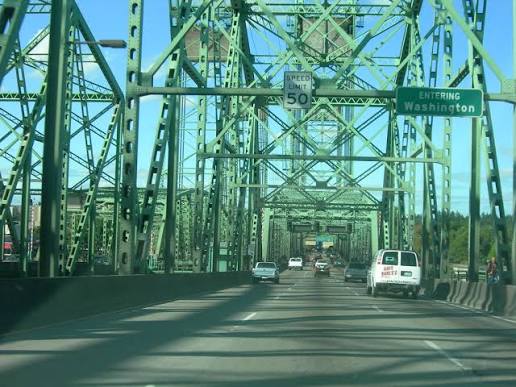
In plain terms: once tolling begins, driving across the I-5 bridge will cost money, a lot of drivers will avoid that cost by using I-205 instead, and I-205 - already busy - will get busier. Mill Plain, SR-500, and other east-west connector roads are widely expected to see spillover congestion as commuters reroute.
Does I-5 Go to Portland Airport? Why East Vancouver Has the Edge
Here's the detail that doesn't get enough attention: I-5 doesn't go to Portland International Airport. I-205 does.
If your commute, your travel, or your business regularly takes you to PDX, or to east Portland, Gresham, or Clackamas County, you already rely on I-205 - the same corridor that's about to become the "free" alternative for everyone avoiding the I-5 toll. East Vancouver neighborhoods sit closer to that I-205 corridor by default. You're not choosing to divert onto a suddenly-crowded highway; you're already positioned on the road that's about to matter more.
West Vancouver residents whose daily commute is downtown Portland via I-5 aren't in trouble, exactly - but they're the ones absorbing the new toll cost directly, or facing a longer, more congested I-205 alternative if they try to dodge it.
Should I Live in East Vancouver or West Vancouver, WA?
How to match the side to how you actually live
Choose West Vancouver if:
Choose East Vancouver if:
Not sure which neighborhoods fit either profile? See the full East Side neighborhood breakdown or start with the general Vancouver, WA buyer's guide.
Exploring Vancouver, WA? Start Here
Frequently Asked Questions
East vs. West Vancouver, WA - common questions
Is East Vancouver or West Vancouver WA more expensive?
When do I-5 bridge tolls start?
Does I-5 go to Portland International Airport?
How many vehicles will divert from I-5 to I-205 once tolling starts?
Is East Vancouver good for Portland commuters?
Not Sure Which Side of Vancouver Fits Your Life?
Let's talk through your commute, budget, and lifestyle before you start touring homes on the wrong side of town.
Contact Cassandra Run the Affordability Calculator Join Our Facebook GroupCategories
Recent Posts







GET MORE INFORMATION

Cassandra Marks
Realtor, Licensed in OR & WA License ID: 201225764
Realtor, Licensed in OR & WA License ID: 201225764