
Atmospheric River Survival Guide: Preparing Your Pacific Northwest Home Before Winter Officially Hits
Atmospheric River Survival Guide: Preparing Your Pacific Northwest Home Before Winter Officially Hits
December 21st marks the official first day of winter, but if you live in Vancouver, WA, Portland, OR, or anywhere in Southwest Washington, you know that "atmospheric river season" often starts well before that.
In case you're new to the Pacific Northwest (or just haven't been paying attention to the weather forecasts), let me introduce you to one of the most dramatic—and potentially destructive—weather phenomena we deal with here: atmospheric rivers.
These "rivers in the sky" deliver massive amounts of moisture to our region, dumping inches of rain in a matter of hours or days. They bring flooding, landslides, downed trees, power outages, and significant property damage. And with climate change making these events more frequent and intense, knowing how to prepare your home is more critical than ever.
I've lived in the Pacific Northwest for almost a decade. I've helped clients deal with flooded basements after atmospheric rivers. I've seen homes with thousands of dollars in damage because gutters couldn't handle the deluge. I've watched neighborhoods lose power for days when 70+ mph winds brought down trees and power lines.
Here's what I've learned: You can't stop an atmospheric river, but you absolutely can protect your home from the worst of its impacts.
Let's talk about what atmospheric rivers actually are, why they're such a big deal in our region, and—most importantly—what you need to do RIGHT NOW to prepare your home before the next one hits.
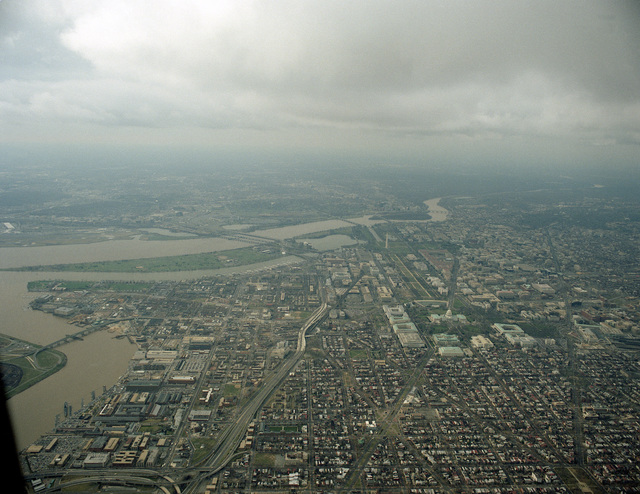
What Exactly Is an Atmospheric River?
Think of an atmospheric river as a firehose of moisture in the sky—a long, narrow band of concentrated water vapor that flows from the tropics toward the poles.
When these rivers hit the Pacific Northwest and slam into our mountains, they dump staggering amounts of rain in a short period. We're talking 5-10+ inches of rain over 24-48 hours in some areas.
Why the Pacific Northwest Gets Hit Hard
Our region is particularly vulnerable because:
- Geography: The Cascade Mountains force atmospheric rivers to rise and cool, wringing out massive amounts of moisture
- Frequency: We typically see several atmospheric river events each winter
- Intensity: Climate change is making these events wetter and more extreme
- Urban infrastructure: Many of our older cities (looking at you, Portland and Vancouver) have aging drainage systems that can't handle the volume
The "Pineapple Express" You've Probably Heard About
You might hear meteorologists talk about the "Pineapple Express"—that's just a specific type of atmospheric river that originates near Hawaii and brings warm, tropical moisture to the PNW. These are often the most intense storms we experience.
What Atmospheric Rivers Mean for Your Home
Atmospheric rivers aren't just about heavy rain. They bring a perfect storm (literally) of challenges that can seriously damage your property:
The Triple Threat
1. Extreme Rainfall
- Overwhelmed gutters and drainage systems
- Foundation flooding
- Basement and crawl space water intrusion
- Roof leaks from pooling water
2. High Winds
- Downed trees and branches
- Damaged roofs, siding, and windows
- Flying debris
- Extended power outages
3. Saturated Soil + Wind = Falling Trees
- When the ground is saturated, tree roots lose their grip
- Even healthy trees can topple in high winds
- Trees falling on homes, cars, and power lines
Real Costs of Atmospheric River Damage
Let me give you some real numbers I've seen from clients and neighbors:
- Flooded basement cleanup and repairs: $5,000-$15,000+
- Roof leak repairs and mold remediation: $3,000-$10,000+
- Tree removal after it falls on your house: $2,000-$8,000+ (plus structural repairs that could be $100k or more)
- Foundation damage from poor drainage: $10,000-$30,000+
- Complete loss of perishable food during extended power outage: $500-$1,000+
The good news? Most of this damage is preventable with the right preparation.
The Pre-Atmospheric River Home Prep Checklist
Time to get your home battle-ready. I've organized this by priority, starting with the absolute must-dos.
CRITICAL: Do These First (Before the Storm Hits)
1. Clean Your Gutters and Downspouts Like Your Home Depends On It (Because It Does)
During an atmospheric river, your gutters will handle more water in 24 hours than they typically see in a month. If they're clogged with leaves, moss, or debris, that water has nowhere to go but over the sides—and straight into your foundation, crawl space, or basement.
What to do NOW:
- Remove ALL debris from gutters
- Flush downspouts with a hose to ensure they're completely clear
- Make sure downspouts extend at least 5-10 feet away from your foundation
- Consider installing gutter guards if you have lots of trees
Real story: During the last major atmospheric river, a client called me in a panic. Their gutters had overflowed during the night, and water had poured into their basement through the foundation. The cleanup cost over $8,000. The kicker? They'd been "meaning to" clean their gutters for weeks.
Don't be that person.
Time investment: 2-3 hours
Cost to hire a pro: $150-$300
Cost of skipping this: Thousands in water damage

2. Check Your Sump Pump (And Consider a Battery Backup)
If you have a basement or crawl space with a sump pump, it's about to become your best friend during an atmospheric river. But sump pumps fail—often at the worst possible time.
What to do NOW:
- Pour several gallons of water into the sump pit and make sure the pump activates
- Listen for unusual sounds (grinding, rattling)
- Check that the discharge line is clear and directs water FAR away from your home
- Consider installing a battery backup sump pump (because power outages + flooding = disaster) or even better a small portable generator that you can run an extension cord to.
Pro tip: If you don't have a sump pump and your crawl space tends to get damp, talk to a professional about installing one BEFORE the atmospheric river hits. Trust me, it's cheaper than dealing with flooding after the fact.
If you need a recommendation let me know and I’ll get you hooked up.
3. Inspect and Secure Your Roof
Atmospheric rivers bring wind AND rain—a brutal combo for your roof.
What to look for:
- Loose or missing shingles
- Damaged flashing around chimneys, vents, and skylights
- Heavy moss buildup (common in our damp climate and can hold water)
- Any signs of sagging or water damage
What to do NOW:
- Do a visual inspection from the ground (use binoculars)
- Better yet: Hire a professional roofer for a pre-storm inspection ($100-$200)
- Replace missing shingles immediately
- Trim back any tree branches hanging over your roof
Why it matters: Wind-driven rain can force water under shingles and through the smallest gaps. A small roof issue becomes a BIG problem during an atmospheric river.
4. Clear Storm Drains Near Your Property
This one is easy to overlook, but it's critical.
What to do NOW:
- Walk around your property and identify nearby storm drains
- Clear away leaves, debris, and anything blocking the grates
- Check after heavy rain to make sure water is flowing freely
Why it matters: Clogged storm drains cause street flooding, which can lead to water backing up into your yard, driveway, and potentially your home.
Bonus: Your neighbors will appreciate you doing this—it protects the whole block.
5. Walk Your Property and Identify Drainage Problems
Where does water flow during heavy rain? Does it pool near your foundation? Does your driveway turn into a river?
What to do NOW:
- Walk your property during the next moderate rain and watch where water goes
- Look for low spots where water collects
- Identify areas where water flows toward (instead of away from) your foundation
- Consider adding French drains, regrading, or installing a dry well to redirect water
Pro tip: If you're not sure how to fix drainage issues, hire a landscaping or drainage professional. This is one of those investments that pays for itself the first time an atmospheric river hits.
I have recommendations for this too. Just shoot me a message or give me a call.
HIGH PRIORITY: Protect Against Wind Damage
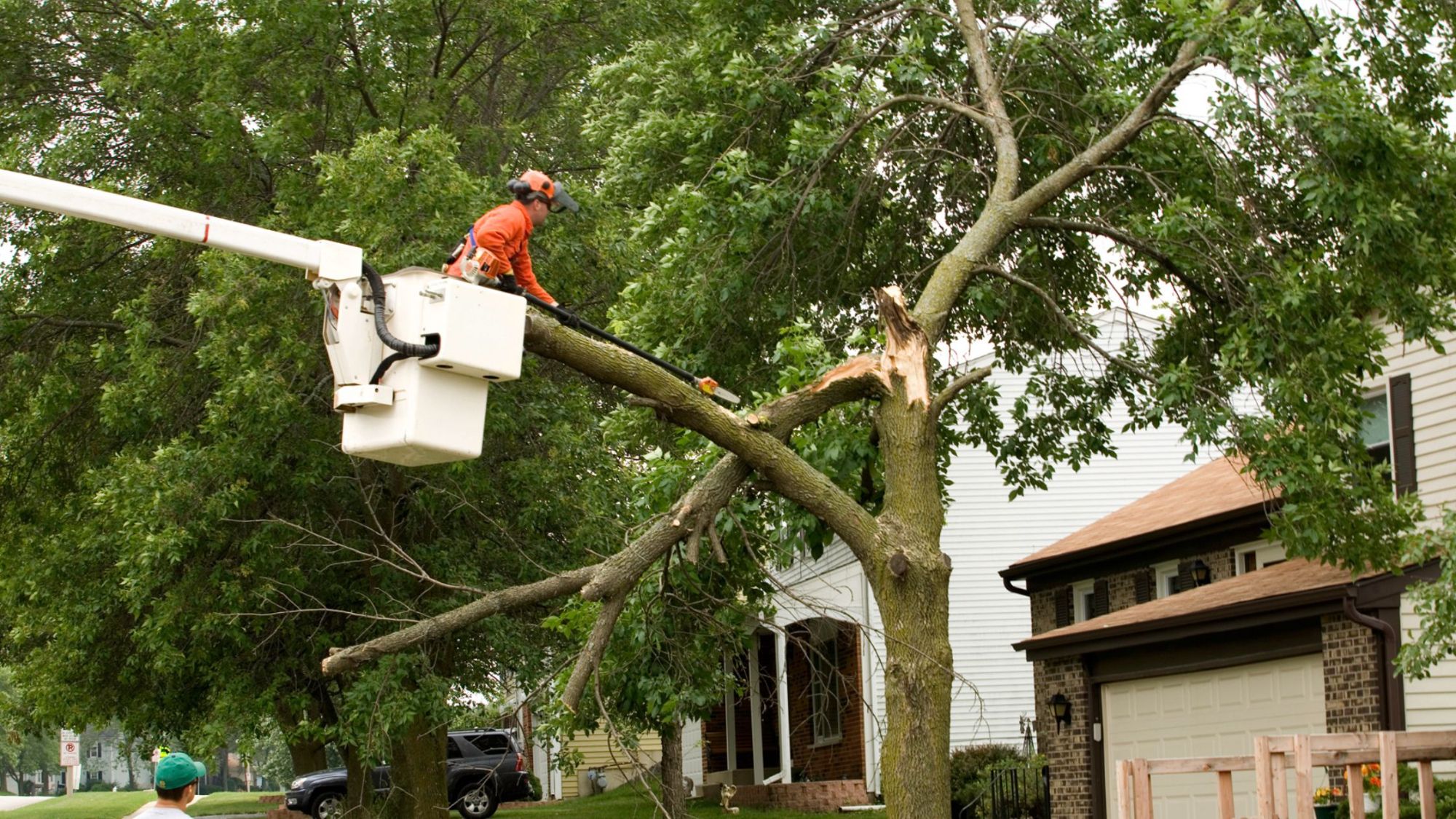
6. Trim Trees and Remove Hazardous Branches
Atmospheric rivers bring sustained winds of 40-50 mph with gusts up to 70+ mph. Combine that with saturated soil, and even healthy trees can come down.
What to look for:
- Dead or diseased branches
- Trees leaning toward your house, garage, or power lines
- Branches overhanging your roof
- Trees with shallow root systems or signs of instability
What to do NOW:
- Trim back any risky branches (hire a professional arborist for large trees)
- Remove dead trees or those showing signs of disease
- Clear your yard of anything that could become a projectile (furniture, toys, planters)
Important: Don't DIY large tree work, especially near power lines. Hire a licensed, insured arborist.
Real story: A neighbor had a 60-foot fir tree in their backyard that they'd been meaning to have evaluated. During the last atmospheric river, it toppled onto their garage. Total damage: $25,000. The cost to remove the tree proactively? About $2,000.
7. Secure Outdoor Items
During 60+ mph wind gusts, your patio furniture becomes a missile.
What to do NOW:
- Bring lightweight furniture, grills, and planters inside or into the garage
- Secure trampolines (or disassemble them)
- Store garbage cans in a sheltered area or strap them down
- Take down temporary structures like pop-up canopies
8. Check Your Fence
High winds + saturated soil = toppled fences.
What to do NOW:
- Walk your fence line and look for loose posts, damaged panels, or leaning sections
- Reinforce weak spots with additional bracing
- Consider temporarily removing gate latches that could catch wind
ESSENTIAL: Prepare for Extended Power Outages
Atmospheric rivers often knock out power for hours or even days. When trees fall on power lines, utility crews can't safely work until the storm passes.
9. Stock Emergency Supplies
You might be without power (and heat) for 24-72 hours. Be ready.
What to have on hand:
- Flashlights and batteries (or rechargeable headlamps)
- Battery-powered radio
- Non-perishable food and bottled water (3-day supply minimum)
- Manual can opener
- First aid kit
- Prescription medications
- Blankets and warm layers
- Cash (ATMs won't work without power)
- Portable phone chargers (fully charged before the storm)
- Matches, candles, and a lighter
Don't forget:
- Fill your car's gas tank (gas pumps need electricity)
- Charge all devices before the storm hits
- Have a plan for refrigerated medications
10. Consider a Generator (And Know How to Use It Safely)
If you experience frequent or extended power outages, a generator is a game-changer.
Options:
- Portable generators: $500-$2,000 (must be used outside, never in garage or house)
- Standby generators: $3,000-$10,000+ (professionally installed, automatic)
CRITICAL SAFETY WARNING: Never run a generator indoors or in an attached garage. Carbon monoxide poisoning kills. Always place generators at least 20 feet from your home with the exhaust pointing away.
11. Protect Your Sump Pump from Power Outages
Remember that sump pump we talked about earlier? It's useless without power.
Options:
- Battery backup sump pump ($300-$800)
- Generator to power your main sump pump
- Water-powered backup pump (uses your home's water pressure)
Why it matters: Flooding happens during storms. Storms cause power outages. See the problem?
IMPORTANT: Protect Your Home's Exterior
12. Seal Vulnerable Areas
Wind-driven rain can force water through the smallest gaps.
What to do NOW:
- Check window and door seals
- Caulk any gaps around exterior window frames
- Check weatherstripping on doors
- Inspect siding for cracks or loose panels
- Check that vent covers are secure
13. Move Vehicles Under Cover
If you have garage space or a carport, use it during an atmospheric river.
Why it matters:
- Falling branches (or entire trees) can total your car
- Hail sometimes accompanies these storms
- You'll be much happier if you don't have to scrape ice off your windshield during a power outage
SMART MOVES: Technology and Monitoring
14. Install a Water Leak Detector
These small devices (under $50) can alert you to water intrusion before it becomes a major problem.
Where to place them:
- Near sump pumps
- Under sinks
- In basements and crawl spaces
- Near water heaters
- Under washing machines
Pro tip: Smart leak detectors can send alerts to your phone, even when you're not home.
15. Monitor Weather Forecasts Closely
The National Weather Service typically issues atmospheric river warnings 3-5 days in advance.
What to watch for:
- Atmospheric River warnings or High Wind warnings
- Multi-day rain forecasts with high accumulations
- River flood warnings (if you're near a waterway)
CRITICAL FOR RURAL HOMES: Protect Your Septic System
16. Prepare Your Septic Tank and Drain Field
Some houses have septic tank alarms, which will let them know if their septic tank is full. Some houses do not have that, but depending upon where you live, the water table could be extremely high in the ground and may fill up your drain field thus when you try to use any of the water in your house and it goes out to the septic tank and then to the drain field, you may or may not cause a back up into your home so you have to be very careful if you’re living on a septic tank During an atmospheric river that you limit the amount of water that you use. It depends on what type of septic tank you have, but just generally, you should be aware.
What to do NOW:
- Get your tank pumped if it's been 2-3 years since last service
- Check if you have a septic alarm and make sure it works
- Divert gutters and surface water away from your drain field
- Reduce water usage drastically during storms: spread out laundry, take shorter showers, run dishwasher only when full, avoid baths
- Don't drive or park on your drain field when ground is wet
- Know the warning signs: slow drains, gurgling pipes, sewage odors, wet areas over drain field
Real story: A Battle Ground client ignored septic maintenance. During an atmospheric river, sewage backed up through their basement. Cleanup: $12,000. Drain field repair: $8,000. A $300 pumping would have prevented it all.
Cost comparison:
- Septic pumping: $300-$500
- Emergency repair: $5,000-$20,000+
- Full replacement: $15,000-$40,000+
Need a septic pro recommendation? Call me at (503) 884-2387.
DURING THE ATMOSPHERIC RIVER: Safety First
Once the storm hits, your prep work should be done. Now it's about staying safe.
DO:
✅ Stay indoors as much as possible
✅ Avoid unnecessary travel
✅ Keep devices charged
✅ Monitor weather updates
✅ Check on elderly neighbors (safely)
✅ Keep pets indoors
✅ Document any damage with photos for insurance
DON'T:
❌ Drive through flooded roads (turn around, don't drown)
❌ Touch downed power lines (always assume they're live)
❌ Go outside during high winds to "check on things"
❌ Attempt tree removal during the storm
❌ Use candles near flammable materials
❌ Run generators indoors or in garages
AFTER THE STORM: Inspection and Cleanup
Once the atmospheric river has passed:
Immediate Actions:
- Check for structural damage (roof, siding, foundation)
- Inspect for water intrusion (basement, crawl space, attic)
- Document all damage with photos and videos
- Clear debris from gutters and drains
- Check trees for new damage or instability
- Report downed power lines to your utility company
Within 24-48 Hours:
- Contact your insurance company if you have damage
- Address water intrusion immediately (mold can start growing within 24-48 hours)
- Have damaged trees assessed by a professional
- Schedule repairs for roof, siding, or structural issues
The Bottom Line: Don't Wait for December 21st
The official first day of winter might be December 21st, but atmospheric rivers don't check the calendar. We can get hit with one of these storms anytime from October through March.
My advice? Do your atmospheric river prep NOW, while the weather is still relatively calm. Don't wait until the National Weather Service issues a warning and you're scrambling to find a roofer or tree service (spoiler alert: they'll all be booked).
Spend a weekend tackling this checklist, and you'll sleep better knowing your home is ready for whatever atmospheric rivers this winter throws at us.
Need Help Preparing Your Home?
Whether you're getting your current home ready for atmospheric river season or you're thinking about buying or selling in the Vancouver or Portland area and want to understand what these storms mean for property values and home maintenance, I'm here to help.
I've lived through over a decade of Pacific Northwest atmospheric rivers (and helped countless clients protect their homes). I know what works, what's overkill, and what's absolutely critical.
Sign up for my monthly newsletter to receive expert advice, important local updates, and insider knowledge on the best ways to thrive in the Vancouver, WA and Portland, OR region. Whether you're buying, selling, or simply curious about life in the Pacific Northwest, I've got you covered.
👉 Join my newsletter today and never miss a beat! Just enter your email below and get exclusive access to all things Southwest Washington and Portland. Let's stay connected!

REALTOR® · REAL Broker · Licensed in WA & OR
⭐ 5.0 Rating | 49 Google Reviews | 110 Homes Sold | $58.8M in Sales
Categories
Recent Posts










GET MORE INFORMATION

Cassandra Marks
Realtor, Licensed in OR & WA License ID: 201225764
Realtor, Licensed in OR & WA License ID: 201225764