
Should You Sell Your House As-Is or Make Repairs First?
Should You Sell Your House As-Is or Make Repairs First? A Real Estate Agent's Honest Take
It's one of the most common questions I get from sellers in Vancouver, WA and Portland, OR: "Should I sell my house as-is, or should I fix it up first?"
I get it. You're looking at your dated kitchen, worn carpet, or that bathroom you've been meaning to update for years, and you're wondering if spending thousands on repairs will actually pay off—or if you should just sell it as-is and let the buyer deal with it.
Here's the truth: The answer depends on your specific situation, your timeline, and what the market is telling us right now.
After helping over 100 families sell and buy homes in Southwest Washington and Portland, I've learned that this decision isn't one-size-fits-all. But I can share what I've seen work (and what doesn't), along with some real stories from my clients that might help you decide what's right for your home.
Let's dig in.
The Current Market Reality: Why This Decision Matters More Than Ever
First, let's talk about where we are right now in the real estate market.
Interest rates are high. That means buyers are more cautious and selective than they were during the pandemic buying frenzy. They're calculating every dollar carefully, and they're thinking long-term about what they can afford—not just for the purchase price, but for potential repairs and renovations too.
Here's what I'm seeing in Clark County and the Portland metro area:
- Buyers want move-in ready homes more than ever
- With mortgage rates where they are, most buyers don't have extra cash sitting around for major repairs
- Homes with obvious issues or strong odors are sitting on the market longer
- Well-presented homes can still get multiple offers and sell quickly but this is not the case for all homes.
The bottom line? In today's market, the condition of your home matters a lot. A home that feels fresh, clean, and well-maintained will attract more serious buyers and command a higher price—even if the bones are the same as the house next door.
When Selling As-Is Makes Sense
Let me be clear: Selling as-is isn't always the wrong move. There are situations where it's actually the smartest choice.
You Should Consider Selling As-Is If:
1. You're in a Time Crunch If you need to relocate quickly for work, are going through a major life transition, or have inherited a property you can't manage, the time and stress of coordinating repairs might not be worth it.
2. The Repairs Are Overwhelming Major structural issues like foundation problems, roof replacement, or outdated electrical systems can cost tens of thousands of dollars. If you don't have the capital or the energy to manage large-scale renovations, selling as-is to an investor or buyer who specializes in fixer-uppers might be your best bet.
3. You're Selling an Investment Property If you're selling a rental or investment property and don't live locally, coordinating contractors and repairs from a distance can be a nightmare. Sometimes it makes more sense to price accordingly and move on.
4. The Market Is Red-Hot (Spoiler: It's Not Right Now) In a seller's market with low inventory and high demand, you can get away with selling as-is because buyers are desperate. But that's not where we are today in most of Southwest Washington and Portland.
When Making Repairs First Will Pay Off Big Time
Now let's talk about the scenarios where investing in repairs before you list can significantly increase your sale price and reduce your time on market.
The Repairs That Give You the Biggest ROI
Based on my experience working with sellers in Vancouver, Camas, and the greater Portland area, here are the repairs and updates that consistently deliver the best return on investment.
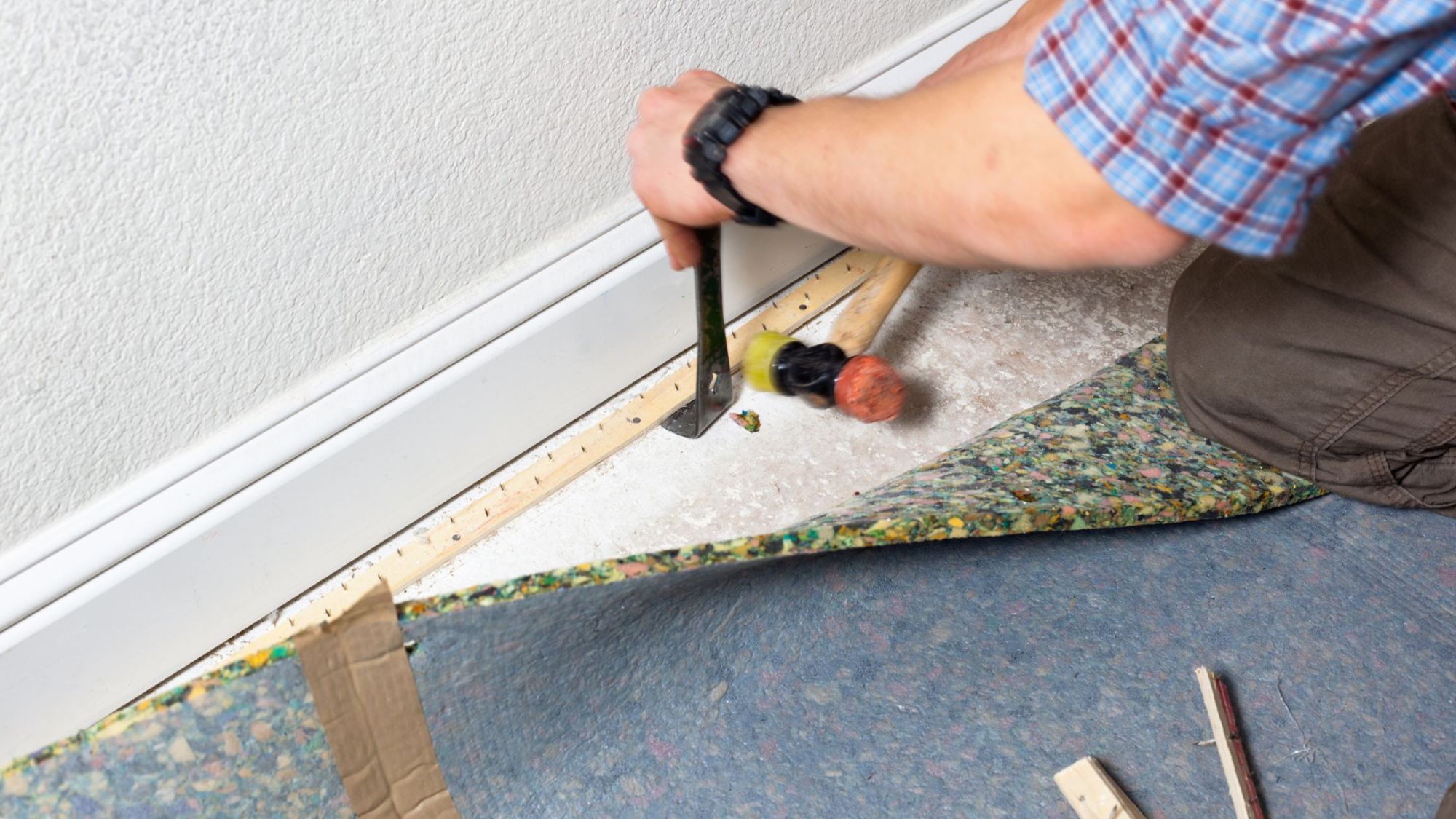
1. Replace That Carpet (Seriously, Just Do It)
Let me tell you a story that still makes me cringe.
A few years ago, I had clients who were selling their home in Vancouver. Nice house, great location, solid bones. But there was one problem: pet odor in the carpet.
I walked through the house during our initial consultation, and the smell hit me immediately. It wasn't overwhelming, but it was there—that unmistakable scent of pet urine that had soaked into the carpet padding over the years.
I gently recommended they replace the carpet before listing. The cost? About $6,000 for the main living areas and bedrooms.
They hesitated. They didn't want to spend the money upfront, especially since they figured buyers could just replace it themselves after closing.
So we listed as-is.
And you know what happened? Every single buyer who toured the house mentioned the smell. Offers came in, but they were lowball offers—about $35,000 to $40,000 below asking price. Buyers were factoring in not just the cost of new carpet, but also the "ick factor" of having to deal with it.
We took the house off the market, my clients spent the $6,000 on new carpet, and we re-listed.
The difference was night and day. The house felt fresh, buyers commented on how clean and move-in ready it was, and we ended up getting $32,000 more than the previous highest offer.
$6,000 spent = $32,000 gained.
The lesson? Carpet is one of those things buyers notice immediately. If yours is stained, smells, or is obviously worn, replace it. You'll make your money back (and then some) at the closing table.
2. A Fresh Coat of Paint Works Magic
Paint is one of the cheapest, highest-impact improvements you can make before selling.
Here's why it matters:
- Neutral, fresh paint makes rooms feel larger and brighter
- It covers scuffs, marks, and wear that make a house feel "lived in" (not in a good way)
- It signals to buyers that the home has been well-maintained
- It photographs so much better for your online listing
You don't need to repaint the entire house (though it doesn't hurt). Focus on:
- Living room, kitchen, and dining areas
- Hallways and entryways
- Any rooms with bold or outdated colors
Stick with neutral tones: soft grays, warm whites, and light beiges. These appeal to the widest range of buyers and make it easier for them to imagine their furniture and style in the space.
Cost: $2,000-$5,000 for a full interior paint job (depending on square footage)
Potential ROI: Studies show you can recoup 50-100% of your paint costs at closing, plus your home will sell faster.
3. Update Light Fixtures (Small Change, Big Impact)
Want to know a secret? Lighting can completely change the vibe of a house.
Walk into a home with outdated brass chandeliers, fluorescent kitchen lights, and builder-grade bathroom fixtures, and it feels old—even if everything else is in good shape.
Swap those out for modern, stylish fixtures, and suddenly the house feels updated and intentional.
Where to Focus:
- Kitchen pendant lights or chandeliers
- Dining room fixture
- Bathroom vanity lights
- Entryway statement piece
You don't need to go high-end. Mid-range fixtures from Home Depot or Lowe's can make a huge difference for a few hundred dollars.
Cost: $500-$1,500 for several key fixtures
Impact: High. Buyers notice lighting more than you think, and it's an easy way to modernize your home without a major renovation.
4. Countertops: When to Replace (and When to Skip It)
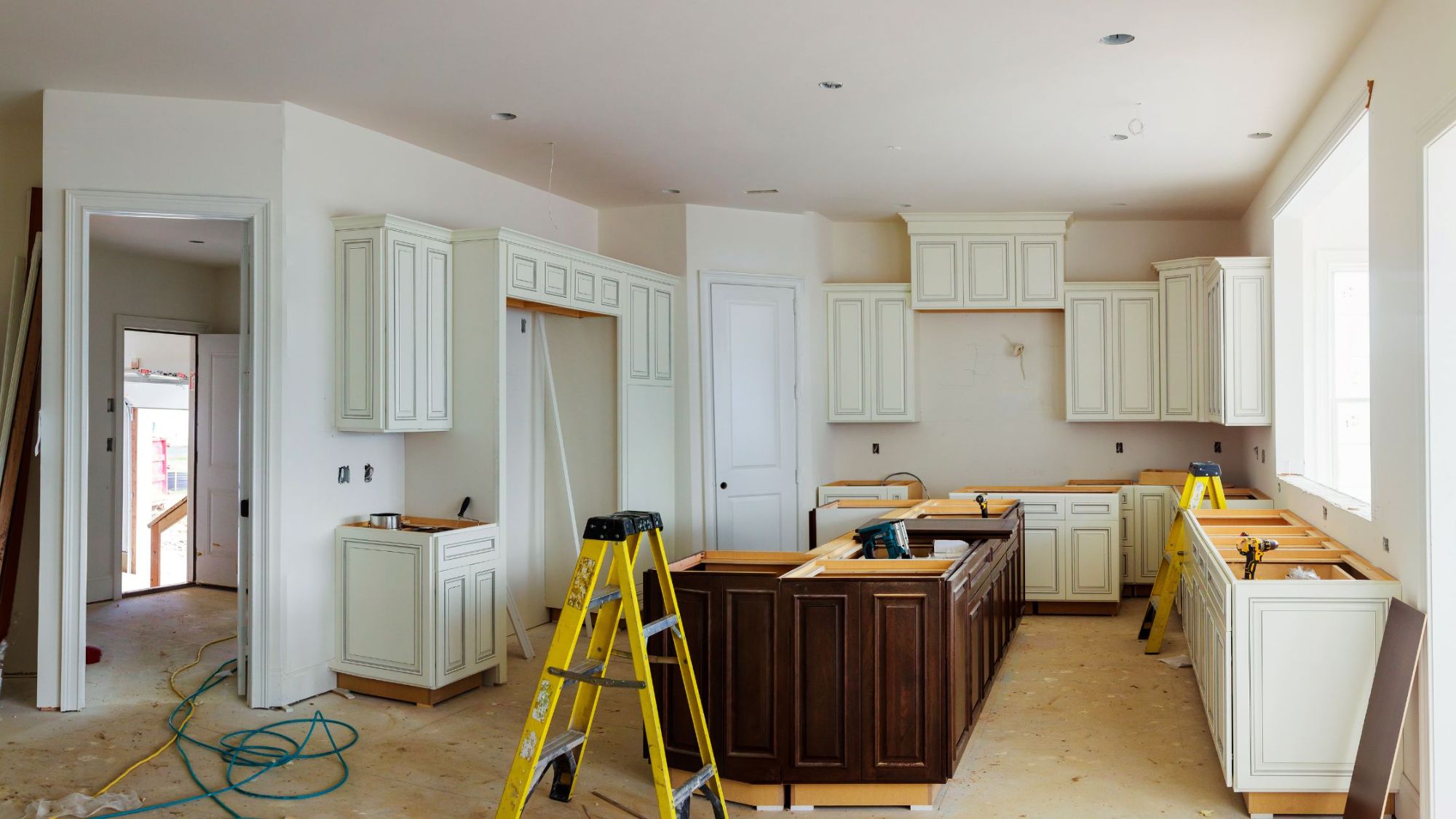
Full kitchen remodels are expensive—often $20,000-$50,000+—and you don't always get that money back at closing.
But countertops? That's a different story.
If your countertops are:
- Severely stained or damaged
- Outdated (think: bright blue laminate from 1987)
- An eyesore in an otherwise decent kitchen
...then replacing them can be worth it.
Modern quartz or granite countertops instantly elevate a kitchen and make the space feel updated—even if the cabinets aren't brand new.
Cost: $2,500-$5,000 for quartz or granite countertops (depending on square footage)
When to skip it: If your countertops are neutral and in decent shape (even if they're laminate), save your money. Not every kitchen needs a full overhaul.
5. Full Kitchen Remodel: Proceed with Caution
I'm going to be honest with you: A full kitchen remodel before selling is usually not worth it.
Here's why:
- It's expensive (easily $30,000-$60,000+)
- Your return on investment is typically 50-70%, meaning you're leaving money on the table
- Buyers have different tastes, and what you think is beautiful might not be what they want
The Exception: If your kitchen is truly non-functional—broken cabinets, appliances that don't work, major safety issues—then you'll need to address it. But in most cases, a deep clean, fresh paint, updated hardware, and new countertops can make a kitchen feel significantly better without the full remodel price tag.
6. Update the Garage Door (Biggest ROI Upgrade)
If there’s one upgrade that delivers the biggest return on investment, it’s replacing the garage door.
In many Vancouver and Portland homes, the garage door makes up a large portion of the front of the house. An outdated or dented door can instantly drag down curb appeal, while a new one makes the entire home feel newer and well cared for.
This is consistently one of the highest ROI improvements sellers can make, often returning most—or all—of the cost at closing.
Cost: $2,000–$4,500
Impact: Extremely high. Instant curb appeal, stronger first impressions, better photos, and higher buyer confidence.
If you want maximum impact without remodeling the interior, this upgrade is hard to beat.
The Repairs You Should Always Make (No Matter What)
There are some repairs that aren't optional if you want to sell for top dollar. These are the "non-negotiables" that buyers will either demand you fix—or they'll factor the cost into their offer, often overestimating what it will actually cost.
Always Fix:
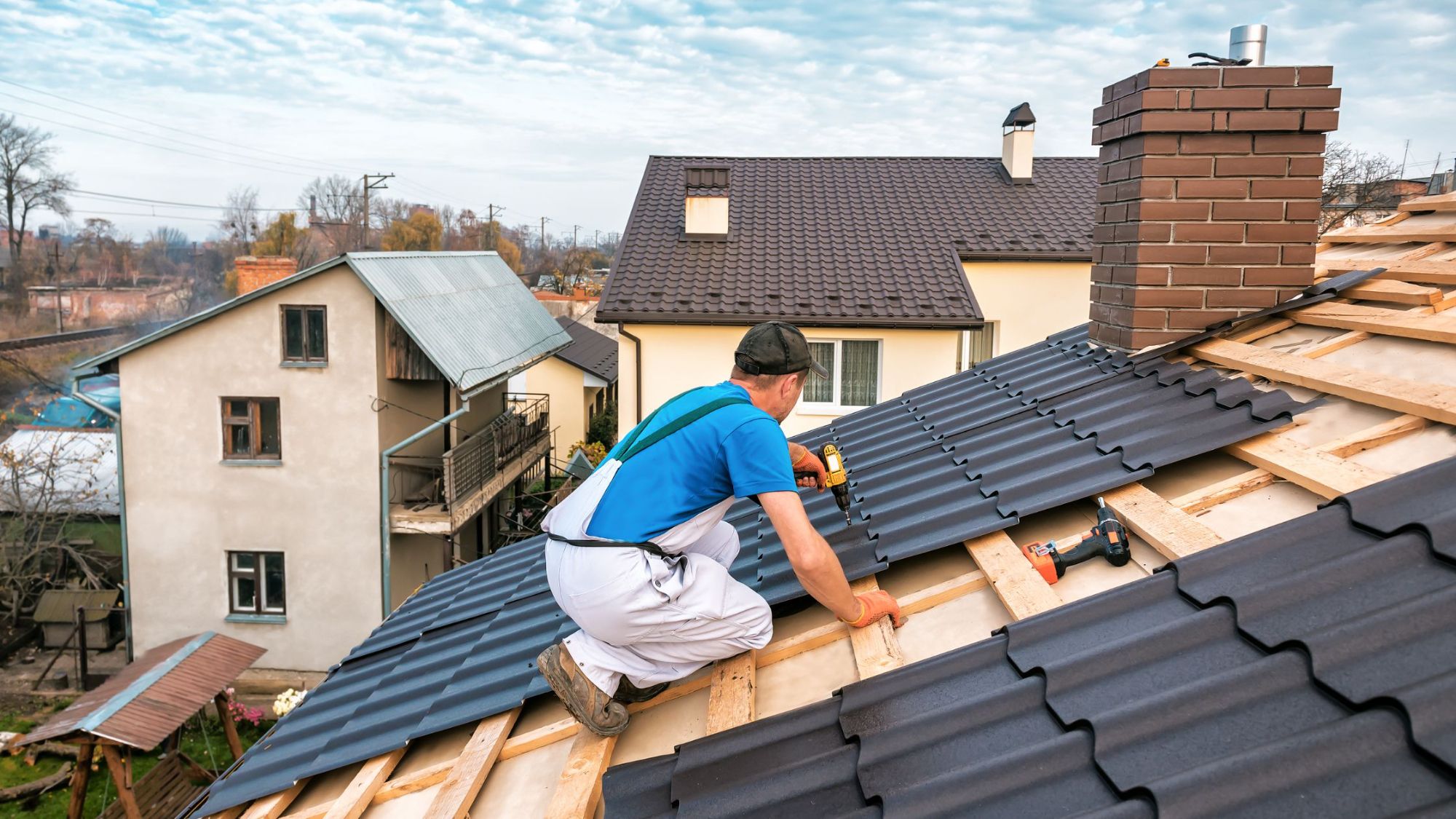
✅ Roof leaks or damage – Buyers (and their lenders) will require this to be addressed
✅ Major plumbing issues – Leaky pipes, water damage, or non-functional fixtures
✅ Electrical problems – Safety hazards that could fail inspection
✅ HVAC issues – A broken furnace or AC unit in the Pacific Northwest is a deal-killer
✅ Structural concerns – Foundation cracks, settling, or other major issues
Why? Because buyers' lenders often won't approve a loan if these issues exist, and buyers will use them as negotiating leverage to lower your price significantly.
Here's My Process: How I Help Sellers Make the Right Decision
So how do you know which repairs to make and which to skip?
This is where working with an experienced real estate agent before you start any repairs is crucial.
Here's how I work with my clients:
Step 1: Pre-Listing Consultation
I walk through your home with you and give you my honest assessment. I'll point out what buyers will notice, what will hurt your sale price, and what's worth investing in.
Step 2: Cost-Benefit Analysis
For every repair or update we discuss, I'll help you estimate:
- The cost to fix it
- The potential increase in sale price
- How it will affect your time on market
Step 3: Contractor Connections
I work with trusted, reliable contractors in the Vancouver and Portland area who can give you fair estimates and quality work. No need to spend hours researching—I've already vetted them.
Step 4: Strategic Pricing
Once we've decided which repairs to make (or not make), I'll price your home strategically based on its condition, the market, and what buyers are looking for right now.
The Bottom Line: I'm here to help you make the most profitable decision for your situation—not to push unnecessary repairs or list your home before it's ready to shine.
What About Staging? Does It Really Matter?
Short answer: Yes.
Even if you've made all the right repairs, how you present your home matters.
Staging doesn't have to mean renting furniture and hiring a professional (though that can help). Often, it's as simple as:
- Decluttering and depersonalizing
- Rearranging furniture to maximize space
- Adding fresh flowers or plants
- Making sure every room has a clear purpose
A well-staged home:
- Photographs better for online listings (where 90% of buyers start their search)
- Helps buyers visualize themselves living there
- Sells faster and for more money
I offer staging consultations as part of my listing services, so you're never guessing what buyers want to see.
Making the Decision: A Simple Framework
Still not sure whether to sell as-is or make repairs? Here's a simple framework to help you decide:
Sell As-Is If:
- You need to sell quickly (within 30-60 days)
- The repairs needed are extensive and expensive (foundation, roof, etc.)
- You don't have the upfront capital to invest
- You're selling an investment property from out of state
Make Repairs First If:
- You have time (60-90+ days before listing)
- The repairs are cosmetic or moderate (carpet, paint, fixtures)
- You want to maximize your sale price
- The market is competitive and buyers are selective (like right now)
When in doubt? Call me. We'll walk through your home together, talk through your goals and timeline, and figure out the best strategy for your situation.
Let's bring this back to where we started.
With interest rates high and buyers being more selective than ever, presentation matters more than it has in years.
Buyers today aren't just looking at your home—they're looking at their monthly payment, their renovation budget, and how much stress they're willing to take on.
If your home feels move-in ready, you'll attract more buyers, get stronger offers, and spend less time on the market.
If it feels like a project? Buyers will lowball you or walk away entirely.
So yes, some repairs are absolutely worth it. But not all of them. And that's where having an experienced agent in your corner makes all the difference.
Let's Talk About Your Home
Every home is different. Every seller's situation is unique. And that's why I don't believe in cookie-cutter advice.
If you're thinking about selling your home in Vancouver, Camas, Portland, or anywhere in Southwest Washington, let's start with a conversation.
I'll walk through your home, give you my honest take on what's worth fixing (and what's not), and help you create a strategy that gets you the most money with the least stress.
Ready to get started?
Sign up for my monthly newsletter to receive expert advice, important local updates, and insider knowledge on the best ways to thrive in the Vancouver, WA and Portland, OR region. Whether you're buying, selling, or simply curious about life in the Pacific Northwest, I've got you covered.
👉 Join my newsletter today and never miss a beat! Just enter your email below and get exclusive access to all things Southwest Washington and Portland. Let's stay connected!

REALTOR® · REAL Broker · Licensed in WA & OR
⭐ 5.0 Rating | 49 Google Reviews | 110 Homes Sold | $58.8M in Sales
Categories
Recent Posts








GET MORE INFORMATION

Cassandra Marks
Realtor, Licensed in OR & WA License ID: 201225764
Realtor, Licensed in OR & WA License ID: 201225764