
Vegetable Gardening in Vancouver, WA: My Complete Guide to Growing Your Own Food
Vegetable Gardening in Vancouver, WA: My Complete Guide to Growing Your Own Food
Happy National Gardening Day! April 14th is one of my favorite days on the calendar — not because it's a holiday anyone actually celebrates with a cake, but because it's the perfect nudge to get outside, dig in the dirt, and start thinking about what you're going to grow this year. If you know me at all, you know I'm not just a REALTOR® — I'm a farmer with a real estate problem. I raise chickens, I tend a garden, and I genuinely believe that growing even a small amount of your own food is one of the most satisfying things you can do as a homeowner in the Pacific Northwest.
This post is for anyone who's been curious about starting a vegetable garden here in Vancouver, WA — whether you've got a big backyard, a raised bed setup, or just a few containers on a patio. I'm going to walk you through everything: our growing zone, what to grow, how to start your plants indoors, when to transplant, and how I prep my garden each spring for the new season. Let's dig in.
And if you're newer to the area and wondering what life is really like here, check out my guides to living in Vancouver, WA vs. Portland, OR and why people are moving to Vancouver, Washington.
Vancouver's Growing Zone: What It Means for Your Garden
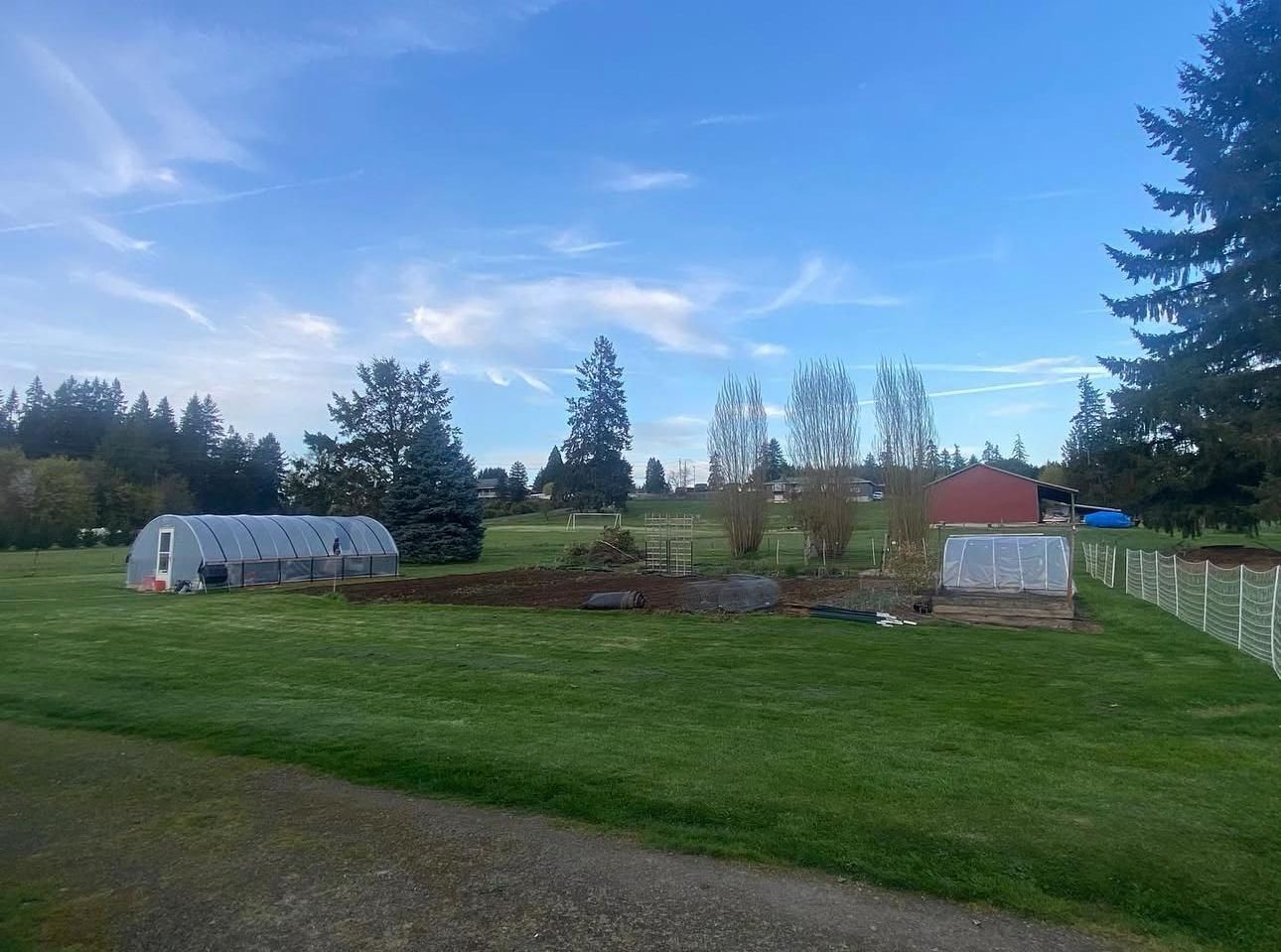
Before you plant a single seed, it helps to understand where you're gardening. Vancouver, Washington sits in USDA Hardiness Zone 8b — and that's actually really good news for home gardeners. Zone 8b means our winters are mild enough that we rarely see extended hard freezes, and our springs warm up gradually from March through May. We're not growing year-round the way folks in Southern California do, but we have a longer growing window than most of the country.
What does that mean practically? It means you can start cool-season crops like peas, radishes, and leafy greens earlier in the season — sometimes as early as late March or early April depending on the year. It means your tomatoes and corn need a little more patience (more on that below). And it means that if you time things right, you can be harvesting fresh vegetables from May all the way through October.
One thing to keep in mind about gardening in the Pacific Northwest: our springs are wet. Like, really wet. The soil can stay cold and soggy longer than you'd expect even when the calendar says it should be warming up. That's part of why I'm a big fan of inground garden boxes — they give you more control over your soil conditions and drainage than planting directly in native Clark County soil.
Zone 8b Quick Facts for Vancouver, WA
- Average minimum winter temp: 15–20°F (rarely reached in Vancouver)
- Last spring frost date: typically April 5th (at VANCOUVER PEARSON AP, WA climate station)
- First fall frost date: typically November 1st (at VANCOUVER PEARSON AP, WA climate station)
- Growing season: approximately 200+ days
- Best for: cool-season crops in spring, warm-season crops June through September
Raised Bed Garden Boxes: Why I Love Them
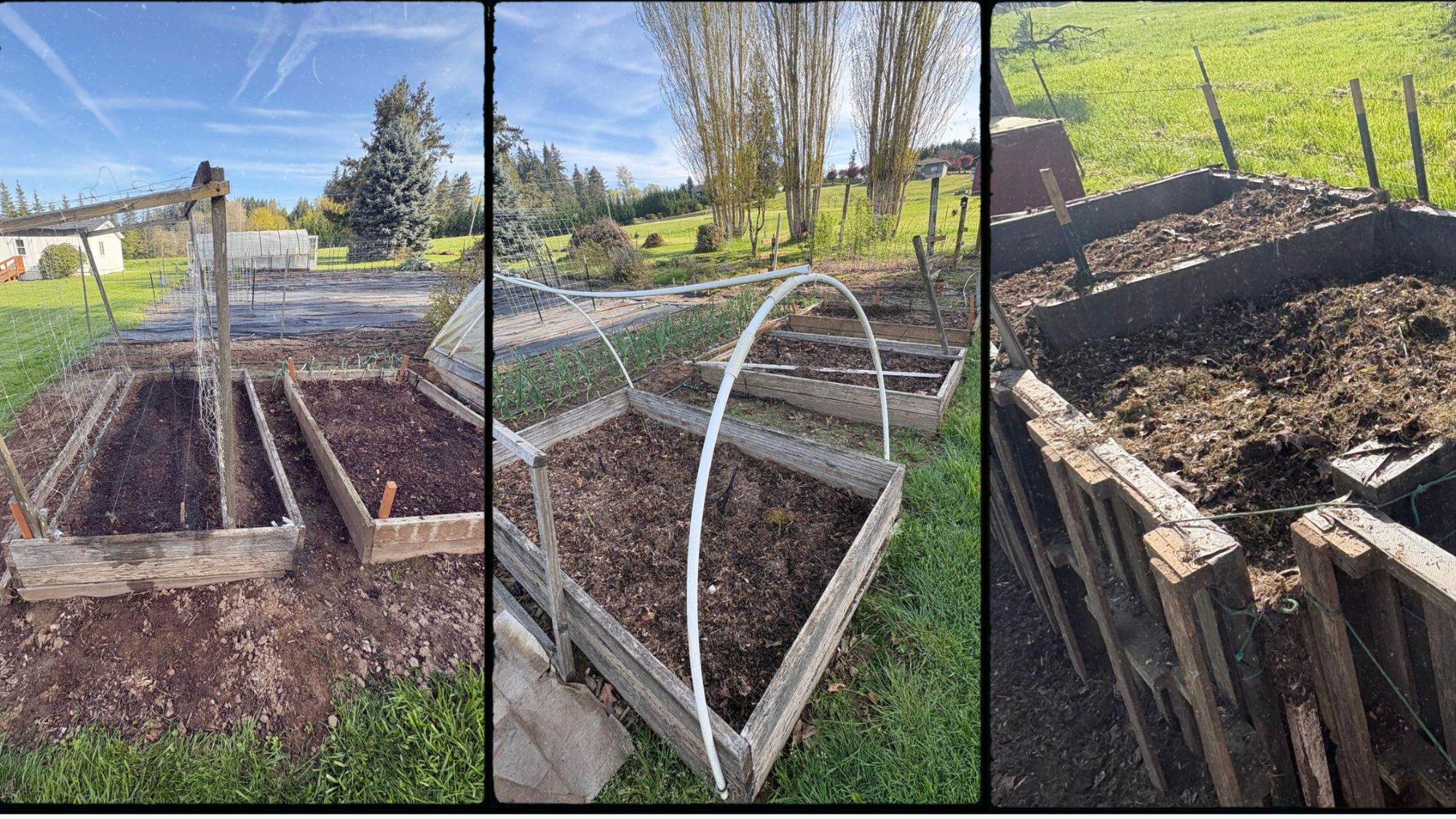
When people think "raised beds," they usually picture boxes sitting on top of the ground — and those work great. But I personally love raised garden boxes, which are essentially framed beds that can raise your garden items 6–24” above the existing grade. You get the structure to keep everything contained, the soil warms up faster than planting directly in the ground, and you have better drainage during our wet springs.
The beauty of gardening in defined boxes is the organization. Each box can be dedicated to a different type of plant, which makes crop rotation easier from year to year. It also makes it really easy to amend your soil specifically for what you're growing — tomatoes like things a little different than root vegetables, and having dedicated spaces lets you customize. I section off my boxes so I always know where the regular and sweet potatoes are going, where my asparagus always is, and where I've got my quick-turnaround crops like radishes, lettuce, and peas.
If you're just starting out and don't have garden boxes yet, even a simple wood frame made from 2x6 or 2x8 pressure-treated lumber is enough to get going. Because of our mole problem we staple in hardware cloth so they cannot come up and pull down our crops like carrots. Then we put down a layer of cardboard with all labels and tape removed, then fill it with a mix of good garden soil, compost, mulched leaves, and shavings cleaned out from our chicken coop and you're off to a much better start than you'd get trying to amend clay-heavy Pacific Northwest soil from scratch.
Why Garden Boxes Work So Well Here
- Better drainage than native PNW soil, which can be heavy with clay
- Easier to amend and customize soil for different crops
- Keeps crops organized and makes crop rotation simple year to year
- Warms up faster in spring than in-ground planting
- Reduces weeding — a lot
💡 Pro Tip from a Local
If you're building new boxes, orient them east-to-west so your tallest plants (like corn and tomatoes) are on the north side and don't shade out your shorter crops. And don't skip the compost — a 50/50 mix of quality garden soil and finished compost makes a huge difference in your first-year results.
Starting Plants Indoors: Trays, Racks & Getting a Head Start
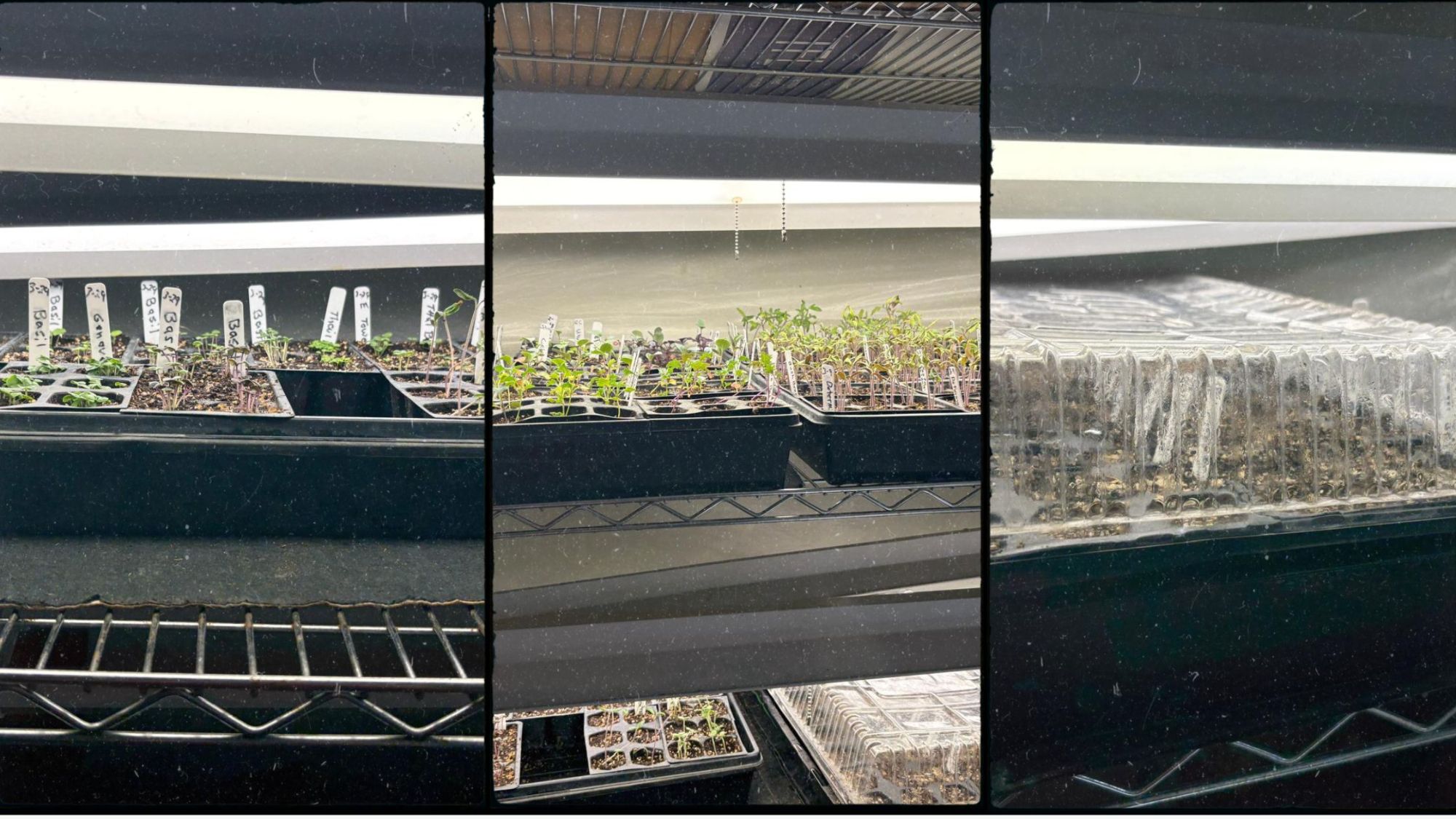
One of the best things you can do for your garden — especially here in the Pacific Northwest where our outdoor season gets a slow start — is to begin your plants indoors. I use a grow rack with shop lights or grow lights set up inside, along with standard seed-starting trays and a good seed-starting mix. It sounds more complicated than it is, and once you've done it once, you'll wonder how you ever gardened without it.
I typically start my indoor seeds in late February to mid-March depending on the crop. Tomatoes and peppers need the longest lead time — I want them to be sturdy, established starts by the time it's warm enough to put them outside (after Mother's Day here in Vancouver — more on that below). Kale, broccoli, cauliflower, cabbage, Brussels sprouts, and some squash varieties also benefit from a head start indoors.
The setup I use is simple: a wire shelving rack with one or two growing lights per shelf, seed trays with clear dome lids to hold in humidity, and a heat mat underneath for crops that like warm soil to germinate. Once the seeds sprout and show their first true leaves, I remove the dome and keep the lights about 2 inches above the tops of the seedlings to prevent them from getting leggy and weak.
As the plants grow, I pot them up. That means moving them from their small seed-starting cells into larger containers — usually 2-inch pots, then up to 4-inch as needed. They usually get 2 up-pottings before they go into the garden. This step makes a real difference in how well they perform once they're transplanted outdoors.
Indoor Seed Starting Essentials
- Wire shelving grow rack with adjustable light fixtures (shop lights work great)
- Seed-starting trays with clear dome lids to hold humidity
- Quality seed-starting mix — not regular potting soil
- Heat mat for warm-germinating crops like tomatoes and peppers
- Pot up seedlings as they grow to prevent rootbound stress before transplanting
💡 Pro Tip from a Local
Keep your grow lights as close to the tops of your seedlings as possible without burning them — about 2 inches is ideal. This prevents "leggy" seedlings that stretch for light and end up thin and floppy. Leggy tomato starts are still salvageable (you can bury the stem when you plant them), but compact, stocky starts always do better in the garden.
What to Grow: Peas, Corn, Radishes & the Tomato Rule
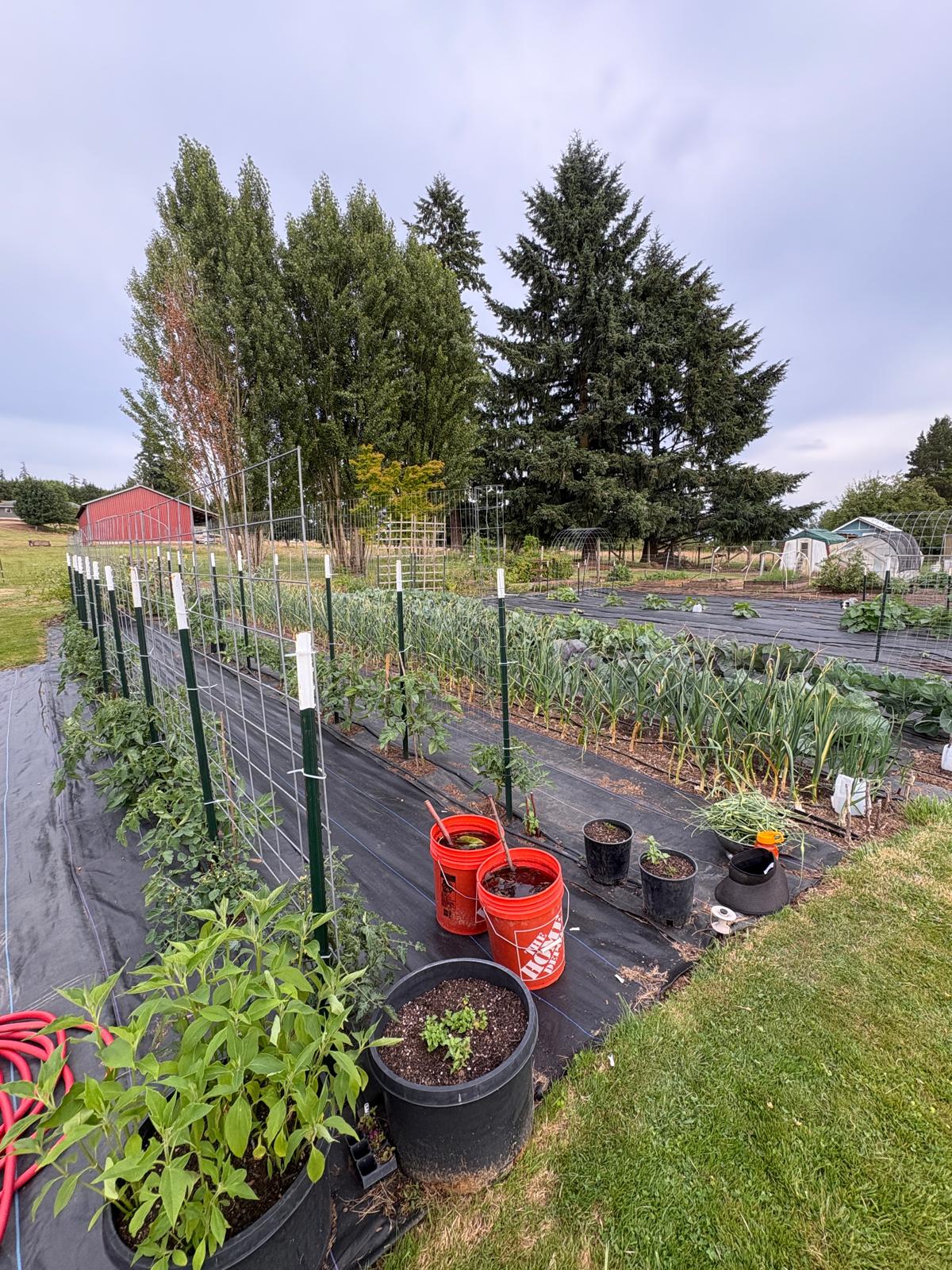
Here's the part everyone wants to know: what can you actually grow in Vancouver, WA? The good news is — a lot. Our Zone 8b climate is genuinely versatile, and between cool-season and warm-season crops, you can be harvesting fresh vegetables from spring well into fall. Here's how I think about my garden calendar:
Peas are one of my favorite early-season crops because they go in the ground while it's still cool and wet — which is basically our entire spring. I direct-sow peas in late March or early April, right into the garden boxes, and they love it. They don't need to be started indoors. Just push the seeds into the soil about an inch deep, give them something to climb, and stand back. Fresh peas straight off the vine are one of the great joys of having a garden. Consider varieties like 'Oregon Sugar Pod' or 'Green Arrow' for good yields.
Radishes are the instant-gratification crop of the vegetable garden. They go from seed to harvest in as little as 25–30 days, which means you can succession-plant them every few weeks and have a continuous supply all spring. Direct sow them in early April, thin them out once they sprout, and you'll be pulling radishes before most people have even started thinking about their garden. 'Cherry Belle' and 'French Breakfast' are reliable choices.
Corn needs warm soil and a full-season commitment. I don't rush corn — it goes in after the soil has warmed up, typically late May to early June. Corn is also a heavy feeder and needs to be planted in a block (not a single row) for good pollination. It's one of the most satisfying things to grow when it works, and our long, dry Vancouver summers give it what it needs to thrive. Look for 'Bodacious' or 'Mirai' for sweet corn varieties.
Tomatoes have their own rule here, and I say this every single year: do not plant tomatoes outdoors before Mother's Day. I don't care how warm it felt in April. I don't care that your neighbor did it. Tomatoes need consistent nighttime temperatures above 50°F to really thrive, and in Vancouver, that doesn't reliably happen until mid-May. Plant them out too early and they'll just sit there — cold, stunned, and sulking. Wait until after Mother's Day, harden them off by setting them outside for increasing periods of time over about a week, and then plant. You'll pass your impatient neighbor's tomatoes by July. For best results in the PNW, try 'Stupice', 'Early Girl', 'Oregon Spring', or 'Siletz' for reliable fruit set in cooler conditions.
If you like having a simple cheat sheet to follow, here's a more detailed month-by-month planting calendar that works really well for Vancouver-area gardeners. It's a great way to keep the season organized.
Vancouver WA Vegetable Planting Calendar
This is the kind of quick-reference calendar I like to keep handy in spring. Use it as a rough Pacific Northwest guide and adjust a little for your exact microclimate, elevation, and whether you're using row cover, a cloche, or a cold frame.
| Month | Start Indoors | Direct Sow Outside | Set Out Starts / Notes |
|---|---|---|---|
| January | Artichokes, arugula, endive, fava beans, kale, leeks, lettuce, mustard, onions, peas, scallions, spinach. | Radishes. | Focus on planning and seed ordering. |
| February | Broccoli, cabbage, cauliflower, celeriac, celery, chard, chives, choi, eggplant, kale, kohlrabi, leeks, lettuce, onions, parsley, peppers, tomatillos, tomatoes. | Arugula, asparagus crowns, cilantro, fava beans, garlic, mustard greens, onions, peas, potatoes, radishes, scallions, spinach. | Prepare garden beds. |
| March | Broccoli, cabbage, cauliflower, celeriac, celery, eggplant, leeks, lettuce, peppers, scallions, tomatoes, tomatillos. | Arugula, Asian greens, asparagus crowns, chard, cilantro, choi, fava beans, garlic, kale, mustard greens, peas, potatoes, scallions, spinach. | Set out starts for artichokes, broccoli, cabbage, chard, choi, kale, lettuce, onions, peas, salad greens, spinach. |
| April | **Late month:** Basil, cucumbers, melons, pumpkins, summer squash, winter squash. | Beets, broccoli, Brussels sprouts, cabbage, carrots, cauliflower, celeriac, celery, chard, choi, cilantro, collards, dill, endive, fennel, kale, kohlrabi, lettuce, mustard greens, peas, potatoes, radicchio, radishes, scallions, spinach, turnips. | Harden off seedlings. Last spring frost typically April 5th. |
| May | Basil, cucumbers, melons. | Arugula, Asian greens, basil, beans, beets, broccoli, Brussels sprouts, cabbage, carrots, cauliflower, celeriac, celery, chard, choi, cilantro, collards, dill, fennel, kale, kohlrabi, leeks, lettuce, parsnips, potatoes, pumpkin, radicchio, radishes, salad greens, scallions, spinach, squash, turnips. | **After mid-May (Mother's Day):** Set out starts for corn, cucumbers, eggplant, peppers, squash, tomatoes, tomatillos. |
| June | Arugula, Asian greens, basil, beans, beets, broccoli, Brussels sprouts, late cabbage, carrots, cauliflower, chard, cilantro, corn, cucumbers, dill, endive, kale, kohlrabi, lettuce, melons, parsnips, pumpkins, rutabaga, scallions, squash, turnips. | Continue succession planting. | |
| July | Arugula, Asian greens, basil, beans, beets, broccoli, Brussels sprouts, cabbage, carrots, cauliflower, chard, cilantro, collards, corn through mid-July, fennel, kale, kohlrabi, lettuce, parsnips, peas, radishes, scallions, spinach, summer squash, turnips. | Set out starts for broccoli, cabbage, carrots, cauliflower, collards, cucumbers, eggplant, kale, leeks, lettuce, peppers, summer squash. | |
| August | Arugula, Asian greens, beets, broccoli raab, early cabbage, cauliflower, chard, cilantro, collards, kale, lettuce, mustard greens, peas, radishes, salad greens, spinach, Swiss chard, turnips. | Set out starts for basil, broccoli, cabbage, carrots, cauliflower, collards, dill, fennel, kale, leeks, lettuce, mustard greens, scallions, salad greens, spinach. | |
| September | Arugula, Asian greens, beets, cabbage for spring, endive, fava beans, garlic, kale, lettuce, onion sets, radishes, salad greens, shallots. | Plant cover crops. Set out starts for bok choi, overwintering cabbage, lettuce, salad greens. | |
| October | Fava beans, garlic, onion sets, shallots. | Plant cover crops. Set out starts for kale, lettuce, salad greens, sorrel. First fall frost typically November 1st. | |
| November | Fava beans, garlic, onion sets, shallots. | Plant some cover crops. | |
| December | Focus on planning: Collect seed catalogs, pour a cup of tea, organize your garden journal, and start mapping out next year. |
Want a quick reference? Download our printable Vancouver, WA Vegetable Planting Calendar PDF!
Download PDF CalendarBonus herb tip: Chives, oregano, parsley, rosemary, and sage are flexible enough to plant just about any time of year here, which is one more reason I think every Vancouver garden should have an herb corner.
💡 Pro Tip from a Local
The Mother's Day tomato rule is non-negotiable in the Pacific Northwest. I've tested it. Your tomatoes won't die if you plant them early — they'll just be miserable and stunted until the soil warms up anyway. Save yourself the anxiety and wait. Your future self will thank you sometime around August when you're drowning in tomatoes.
The May Weekend Garden Turnover: My Annual Reset
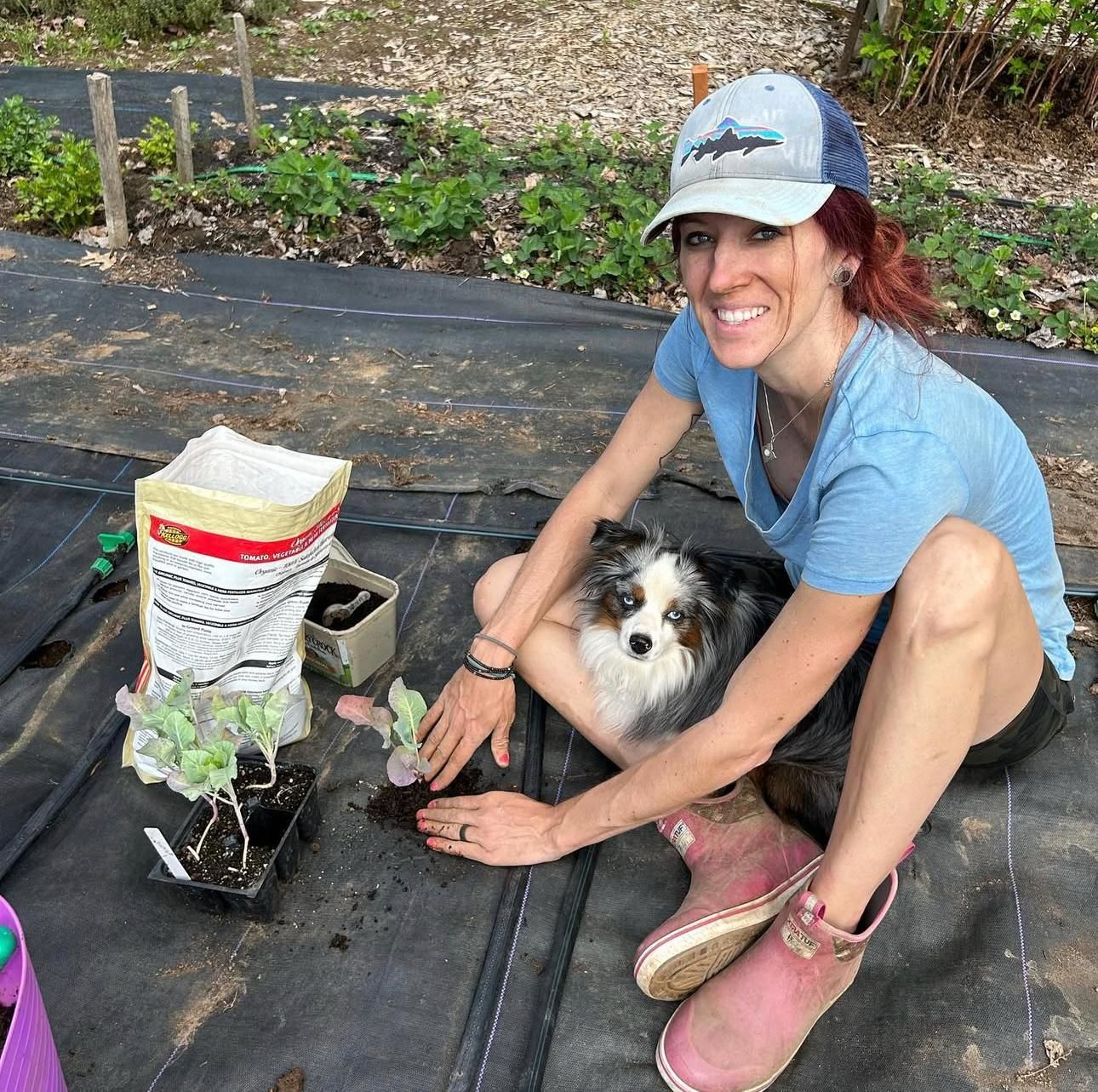
Every year, I dedicate a weekend in May — usually the weekend closest to Cinco de Mayo or the first weekend in May — to what I call the garden turnover. This is the big reset, the moment where the garden goes from "winter mode" to "production mode," and it's one of my favorite days of the year. There's something deeply satisfying about a freshly raked, mulched, and reorganized garden that's ready for the season ahead.
Here's what the turnover weekend looks like for me:
Removing all the stakes and garden fabric: This is where we pull all the watering lines out of the garden, remove all the cattle panels from the T-stakes where the tomatoes and squash grow, then pull over 1,000 garden fabric U-stakes that hold the rows of 3–4’ wide garden fabric out of the garden to expose the dirt below.
Adding compost and amendments: This is when I top-dress the beds with a few inches of finished compost from our compost area, mulched leaves from fall, bedding from cleaning out the chicken coop in the fall, and ashes from our woodstove over the winter. Our Pacific Northwest rains tend to leach nutrients from the soil over winter, so refreshing the organic matter in May gives the plants a strong start. We spread that over the garden, then the real fun begins. We till the new additions into the garden.
Mulching the pathways: Between my boxes I lay down fresh mulch — usually bark or wood chip mulch — to suppress weeds and keep the garden looking tidy. It also helps with mud management during our spring rains, which is very real until the weather fully turns.
Reorganizing the layout: We have 4 plans to rotate crops and in the fall when we plant the garlic this sets the plan for spring. Crop rotation matters in vegetable gardening — moving your crops around from year to year helps break pest and disease cycles in the soil. So tomatoes don't go where they were last year, the corn rotates, and the legumes (like peas) move to a bed where they can fix nitrogen for whatever follows them.
By the end of the weekend, the garden is cleaned up, fed, organized, and ready. There's nothing quite like standing back and looking at it. Then the chickens try to get in and undo all your work, but that's a different blog post.
May Garden Turnover Checklist
- Rake out debris, dead material, and early-season weeds from all beds
- Loosen the top layer of soil with a fork — no need for deep tilling
- Top-dress with 2–3 inches of finished compost and work it in lightly
- Refresh mulch in pathways between beds for weed suppression
- Reorganize your layout with crop rotation in mind
- Map out where each crop is going before you start planting
💡 Pro Tip from a Local
Take a photo of your garden layout at the end of your turnover weekend — just a quick overhead shot on your phone. You'll thank yourself next spring when you're trying to remember where things were and need to rotate your crops. I keep mine in a gardening notes folder on my phone along with the dates things were planted. It's not fancy, but it works.
Final Takeaway: Gardening Doesn't Have to Be Hard
If there's one thing I want you to take away from all of this, it's that gardening really doesn't have to be complicated. Get your seeds, grab a few basic tools, put some plants in the ground, and start. You do not need a perfect setup, fancy equipment, or years of experience to grow something good.
If you get stuck, ask for help. Reach out to me, talk to someone at a local garden center, ask a neighbor who grows food, or watch a few YouTube videos and learn as you go. There is so much free information out there, and most gardeners are more than happy to help.
The biggest thing is just to begin. Plant something. Try something. Learn as you go. Once you harvest your first tomato, pea, or handful of lettuce, you'll understand why so many of us get hooked on growing our own food.
🌱 Simple Truth
Farming and gardening don't have to be intimidating. Start with seeds, soil, water, and a willingness to learn. That's enough to get going.
Frequently Asked Questions About Gardening in Vancouver, WA
When is the last spring frost date in Vancouver, WA?
On average, the last spring frost in Vancouver, WA, occurs around April 5th.
What USDA Hardiness Zone is Vancouver, WA?
Vancouver, WA, is located in USDA Hardiness Zone 8b.
When can I plant tomatoes outdoors in Vancouver, WA?
It is generally recommended to plant tomatoes outdoors in Vancouver, WA, after Mother's Day, typically mid-May, when nighttime temperatures are consistently above 50°F.
What are some good vegetable varieties to grow in Vancouver, WA?
For peas, try 'Oregon Sugar Pod' or 'Green Arrow'. For radishes, 'Cherry Belle' or 'French Breakfast'. For sweet corn, 'Bodacious' or 'Mirai'. For tomatoes, 'Stupice', 'Early Girl', 'Oregon Spring', or 'Siletz' are good choices for the PNW climate.
Want More Local Lifestyle, Gardening Tips & Pacific Northwest Living?
Sign up for my monthly newsletter to get local lifestyle stories, real estate updates, and the kind of honest neighborhood insight that helps you actually enjoy living here in Southwest Washington.
Join My Newsletter Contact Cassandra
Cassandra Marks (Realtor Cas)
Categories
Recent Posts






GET MORE INFORMATION

Cassandra Marks
Realtor, Licensed in OR & WA License ID: 201225764
Realtor, Licensed in OR & WA License ID: 201225764