
National Cherry Day 2026: A PNW Farmer's Guide to Cherries in Vancouver WA
National Cherry Day 2026: A PNW Farmer's Guide to Cherries in Vancouver WA
A PNW farmer's complete guide to National Cherry Day - the history, how bees and weather make or break a cherry crop, where to find the best cherries in Vancouver WA, and the recipes worth celebrating with.
We have two cherry trees on the farm. One Rainier, one sweet cherry. And every single spring when they start to blossom, I feel it.
There's something about a cherry tree in bloom - the white flowers, the bees doing their thing, the knowledge that in a few weeks there will be fruit if everything goes right. The word "if" does a lot of work in that sentence when you're growing Rainiers. But when it does go right, there's nothing quite like walking out to the tree, picking a warm cherry, and eating it right there in the sun.
July 16 is National Cherry Day. And since Washington State is the nation's top producer of sweet cherries, and since the PNW puts the Rainier cherry on the map, I thought it deserved a proper guide. Here's everything worth knowing - the holiday, the fruit, the growing, the buying locally, and the eating.
What Is National Cherry Day and Where Did It Start?
The origin story is actually about saving orchards
National Cherry Day is observed every year on July 16. It was founded in 2008 in England by food writer Henrietta Green as part of a campaign called CherryAid - and the original goal wasn't just celebrating the fruit. It was about sounding the alarm on the disappearance of cherry orchards across England and Wales, which had lost an estimated 90% of their orchards over the 20th century. Cherries that were once a staple of British summers had become almost impossible to find locally, replaced by imported fruit. CherryAid was an attempt to stop that slide and bring people back to their own regional produce.
The date July 16 was chosen deliberately because that's the peak of the British cherry harvest season. Interestingly, it doesn't quite align with North America, where cherries typically ripen in June through August depending on variety and region. But the holiday has since traveled well beyond England, and now serves a broader purpose: a global celebration of cherries in every form, and a reminder to support local growers.
In the US, we have our own long cherry history. Documented references to cherries in Greek text go back to around 300 BC. English settlers brought cherry trees to North America by ship in the 1600s. Modern commercial cherry production in the US began in 1852 when Peter Dougherty planted cherry trees on the Old Mission Peninsula in Michigan. Today, the US produces over 650 million pounds of tart and sweet cherries annually, with Michigan leading in tart cherry production and Washington State leading in sweet cherries.
The Story of the Rainier Cherry
Born at WSU, named after the mountain, and a PNW icon for a reason
If you live in the Pacific Northwest and you care about cherries, the Rainier cherry deserves its own section.
The Rainier was bred in 1952 at Washington State University by a horticulturist named Harold Fogle. He was working at the WSU research station in Prosser, trying to develop a new Bing variety that would extend cherry season. Instead, thanks to recessive genetics from crossing Bing and Van cherry cultivars, he got something entirely unexpected: a golden-yellow cherry with a rose blush and a flavor that was dramatically different from either parent. He named it after Mount Rainier.
At first, Rainier trees were planted primarily to help cross-pollinate Bing orchards - Bing cherries can't bear fruit without a compatible partner tree nearby, and Rainier blooms at the same time. Growers soon realized the Rainier itself was something special. It's now considered one of the premium cherries in the world, prized for its honeyed sweetness, low acid, and delicate creamy flesh.
Rainiers are grown mainly in the Northwestern United States - Washington, Oregon, Idaho, Montana, Utah, and Wyoming - with Washington State as the top producer. Even Seattle-Tacoma International Airport feels the effects of Rainier cherry season: outbound cargo flights can triple in July thanks to freighters headed to Asia, their holds filled entirely with Washington cherries.
The peak season for Rainier cherries runs from late June through early July - a narrow window. And they are not forgiving. Thin-skinned, prone to bruising, highly susceptible to rain cracking, and loved by birds. That delicate character is also why they're so extraordinary to eat, especially straight from the tree.
Types of Cherries: Sweet, Tart, and In Between
Not all cherries are the same - here's what to know
Commercially, there are two main species of cherry: sweet cherries (Prunus avium) for fresh eating, and sour/tart cherries (Prunus cerasus) used primarily in cooking and baking. Within those, dozens of varieties have been developed over centuries of cultivation.
Growing Cherries in the PNW: Bees, Rain, and Timing
Why cherries are one of the most weather-dependent fruits you can grow
Growing cherries in the Pacific Northwest is a lesson in humility and timing. There are three variables that determine whether you get a good crop or a disappointing one, and none of them are entirely in your control: bees, rain, and the harvest window.
Why Bees Are Everything
Most sweet cherry varieties - including Rainier and Bing - are self-unfruitful. They cannot fertilize themselves. They need pollen from a compatible, different cherry variety to set fruit. And the primary carrier of that pollen is the honeybee.
According to Washington State University's Tree Fruit program, cross-pollination is essential for sweet cherries. Bees transfer pollen between trees as they forage for nectar, and their activity during that brief bloom period in early spring determines the entire crop. WSU recommends moving bees into orchards on the first day of bloom. For home growers, this means planting two compatible cherry varieties within 100 feet of each other.
The catch: bees work best when temperatures are above 65°F. Cool weather, rain, or wind during bloom can prevent bees from leaving their hives entirely. A week of cold, wet spring weather timed exactly at blossom can mean minimal bee activity, poor pollination, and a sparse cherry crop - even with perfectly healthy trees and a compatible pollinator planted right next door. This is why cherry growers, hobby and commercial alike, talk about the weather during bloom week the way other people talk about the weather on their wedding day.
Why Rain is the Enemy at Harvest Time
There is a phenomenon in cherry growing called rain cracking or fruit splitting - and it is exactly what it sounds like. When a cherry is approaching ripeness and then gets hit with heavy rain, the fruit absorbs water faster than the skin can expand. The result is a cherry that splits open along the seam, rendering it unsellable commercially and very much on the clock at home.
The technical explanation: splitting is caused by the rapid uptake of water through the fruit skin following a period of moisture stress. The cherry can absorb so much water so quickly that the skin quite literally bursts. Rainier cherries are especially susceptible because of their thin skin. Commercial growers in Washington State combat this with rain covers or high tunnels deployed over the trees during the final weeks of ripening.
For home growers, the advice from orchardists is to harvest cherries one to three days early at 90–95% ripeness if heavy rain is forecast, rather than waiting and losing the crop to splitting. The cherries will continue to develop slightly off the tree. A perfect, fully ripe Rainier that splits in the rain is gone. A slightly early-picked Rainier you actually get to eat wins every time.
Timing the Harvest
Cherry harvest timing in the Pacific Northwest is a window, not a day. The broad harvest season runs from early June through early September across all varieties. Rainier cherries specifically are ready from late June through early July, and that window is narrow - roughly two to three weeks in ideal conditions.
Washington State University categorizes Rainiers as "mid- to late-mid-bloom" cherries. They bloom in early April and bear fruit approximately 60 to 70 days after bloom. Most people agree that PNW cherries reach their juiciest, most flavorful peak in July - which is why National Cherry Day on July 16 is actually well-timed for this region, even if it was designed around the British season.
The key harvest indicators for Rainier: the skin color transitions from pale yellow to a deeper golden yellow with a pronounced red blush on the sun-exposed side. The flesh should feel firm but give slightly under pressure. Flavor is the best test - taste one. If it's honeyed and sweet with a delicate floral note, the tree is ready. If it's still starchy or bland, give it a few more days.
From Our Farm
What cherry season looks like on the Marks family farm
Our two cherry trees - the Rainier and the sweet cherry - are two of my favorite things on the property. Not the easiest fruit we grow. But the payoff, when it happens, is the best thing you can pick off a tree.
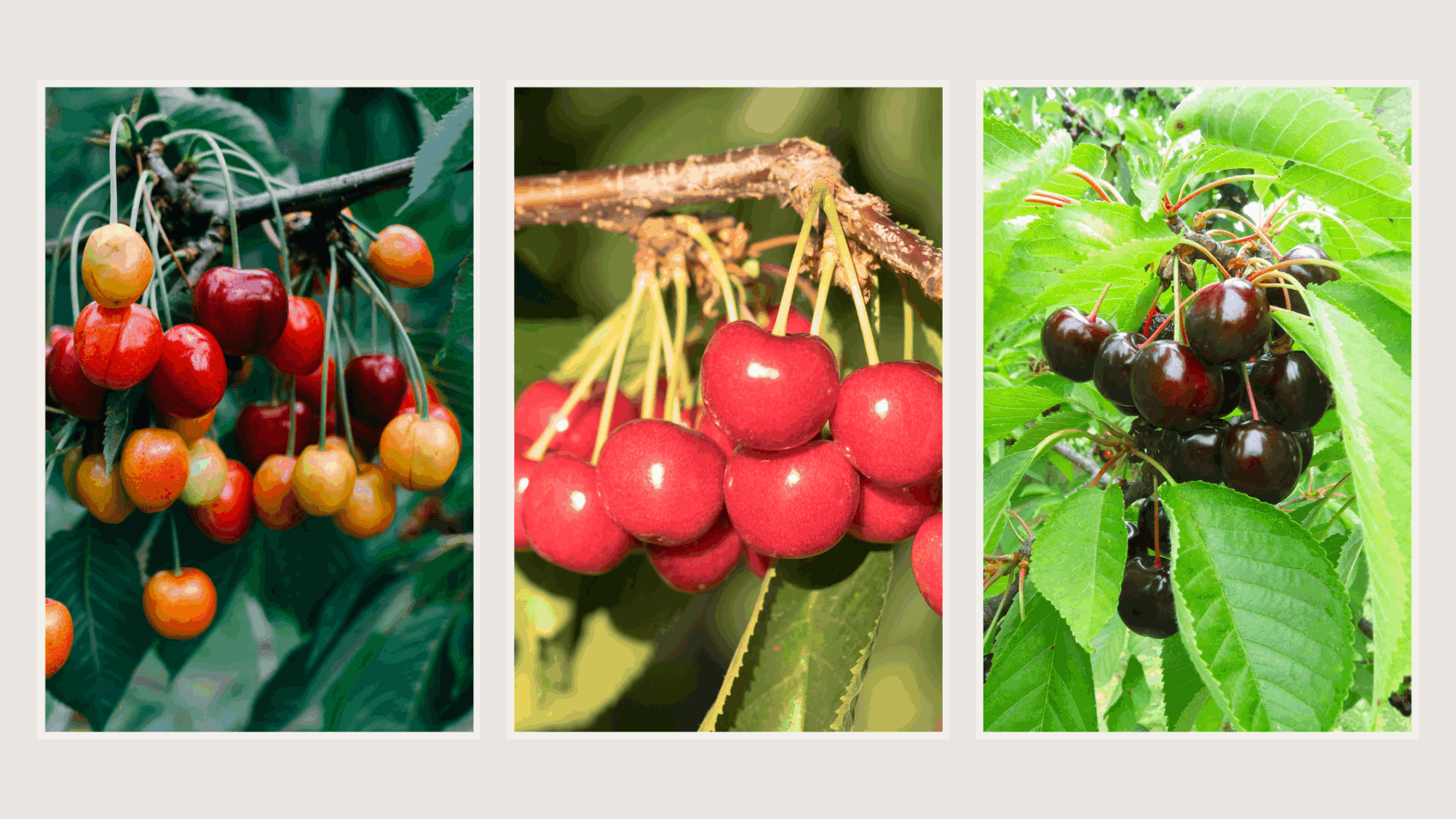
Cherry season on the farm overlaps with some of the busiest showings of the year. There have been seasons where I picked cherries in the morning before heading out to an inspection, and seasons where I came home to find the birds had gotten there before me. The Rainiers especially attract birds like a flashing neon sign - the light-colored fruit against the green leaves is irresistible to them. Bird netting matters more than you'd think if you actually want to harvest your own crop.
The sweet cherry tree is a bit more reliable - more forgiving of the rain, a longer harvest window, and birds seem less obsessive about it compared to the Rainiers. But the Rainier, when it cooperates, is in a category of its own.
Where to Buy Fresh Cherries in Vancouver WA
Local first, then the next-best options nearby
Most people get their cherries from wherever they happen to grocery shop, which is completely fine. But if you want to do National Cherry Day right, there are better options in Vancouver WA and Clark County that put you closer to the actual fruit and the people who grew it.
Health Benefits of Cherries
More than just delicious - here's what the research says
Cherries have a surprising health profile. They're not just a summer treat - they're genuinely good for you, and the research behind some of these benefits is more robust than you might expect.
Cherry Recipes to Celebrate With
From the tree to the table - what to make on National Cherry Day
The best way to eat a Rainier cherry is warm off the tree, standing in your yard in the sun. The second best way is with almost no intervention at all - a bowl of cold cherries, a lazy afternoon, and nowhere to be. But if you want to actually make something, here are the recipes worth the effort.
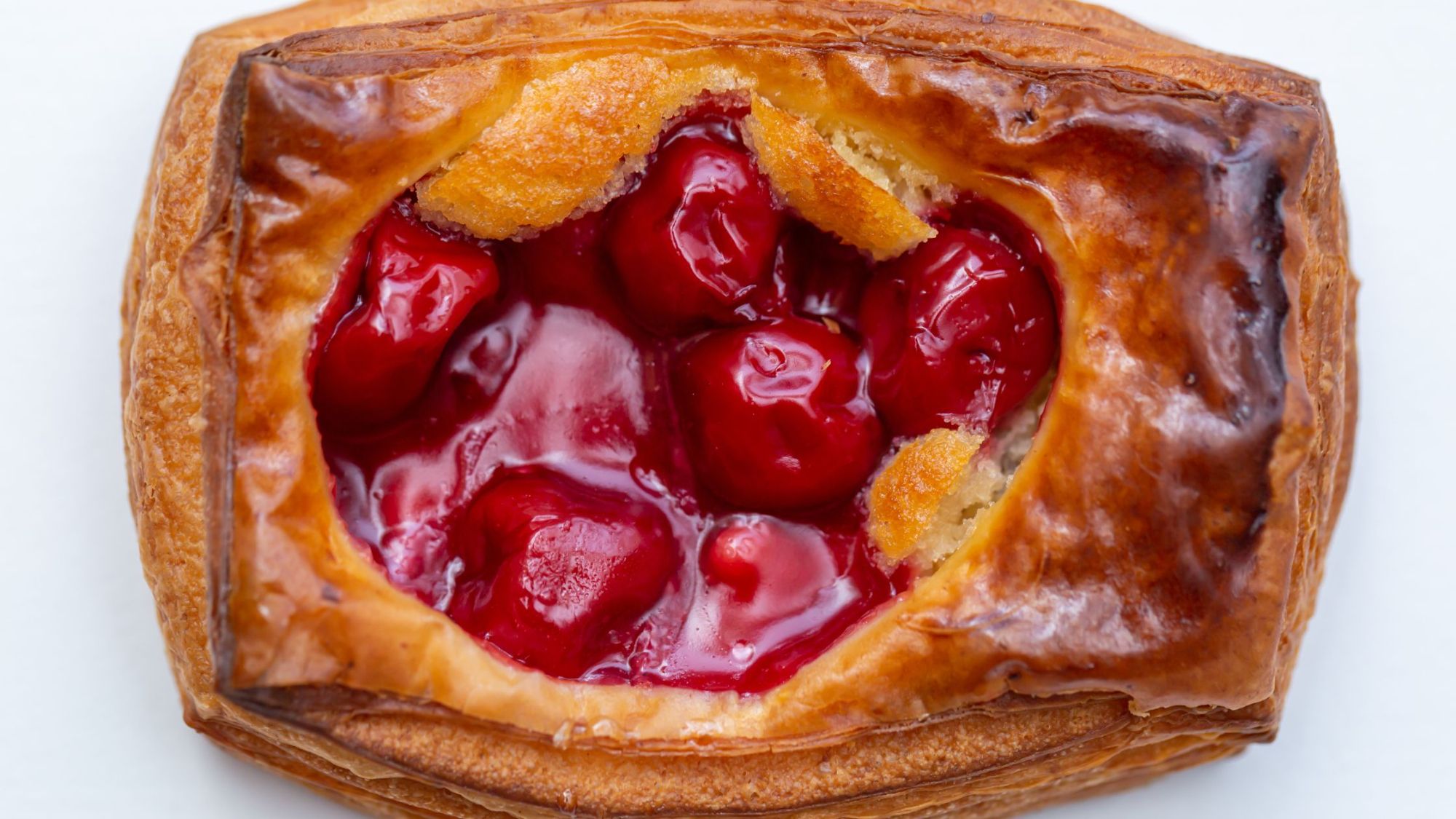
The easiest possible way to make a cherry danish at home - crescent roll dough does the heavy lifting, and the cream cheese filling turns it into something that feels genuinely special. Rainiers make the most beautiful version, but Bing cherries are excellent here too since their bolder flavor holds up to baking.
- 2 cans crescent roll dough
- 1 cup fresh cherries, pitted and halved
- 8 oz cream cheese, softened
- 1/4 cup powdered sugar
- 1 tsp vanilla extract
- 2 tbsp granulated sugar
- 1 egg, beaten (egg wash)
- 1/2 cup powdered sugar (glaze)
- 2–3 tbsp milk (for glaze)
- 1.Preheat oven to 375°F. Line a baking sheet with parchment paper.
- 2.Mix softened cream cheese with 1/4 cup powdered sugar and vanilla until smooth.
- 3.Unroll crescent dough and separate into triangles. Place on baking sheet.
- 4.Spread a generous spoonful of cream cheese on each triangle. Top with cherry halves and a pinch of sugar.
- 5.Fold edges up slightly to cradle the filling. Brush with egg wash.
- 6.Bake 18–20 minutes until deep golden brown.
- 7.Mix powdered sugar with milk to make a drizzle. Glaze while warm and serve.
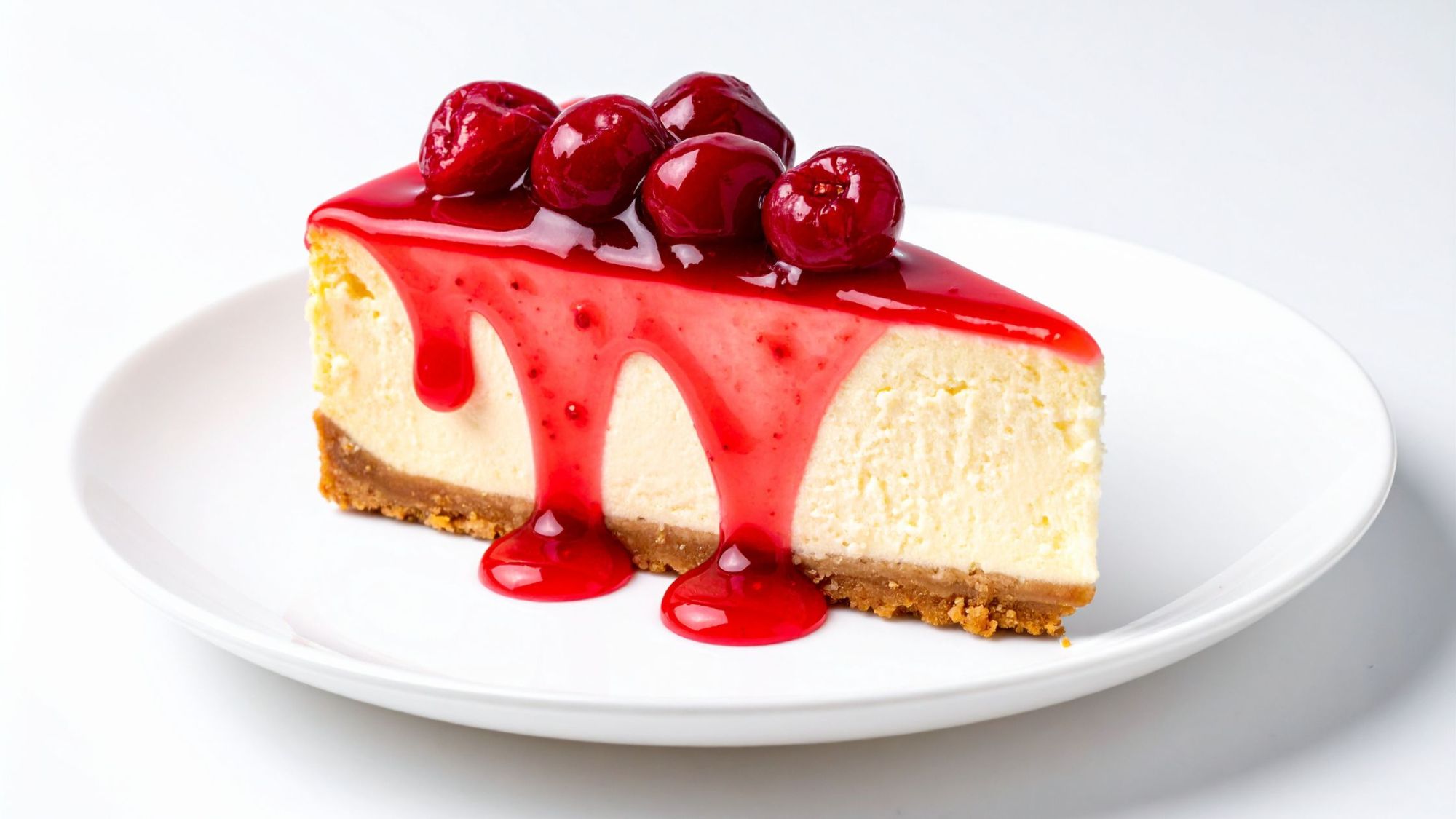
No-bake, no oven, genuinely impressive - and a perfect showcase for fresh cherries. The topping can be made with fresh pitted cherries cooked down briefly, or with Bing cherries straight from the bag for a fresh version. Either way, this is the dessert for National Cherry Day if you want to put effort into something.
- Crust: 1.5 cups graham cracker crumbs
- 1/3 cup melted butter
- 3 tbsp sugar
- Filling: 16 oz cream cheese, softened
- 1 cup powdered sugar
- 1 tsp vanilla extract
- 1 cup heavy whipping cream
- Cherry Topping: 2 cups fresh cherries, pitted
- 3 tbsp sugar
- 1 tbsp lemon juice
- 1 tsp cornstarch mixed with 1 tbsp water
- 1.Mix graham cracker crumbs, butter, and sugar. Press firmly into a 9-inch springform pan. Refrigerate 30 minutes.
- 2.Beat cream cheese until fluffy. Add powdered sugar and vanilla, mix until smooth.
- 3.In a separate bowl, whip heavy cream to stiff peaks. Fold gently into the cream cheese mixture.
- 4.Spread filling over crust. Refrigerate at least 4 hours or overnight.
- 5.For topping: cook cherries, sugar, and lemon juice over medium heat 5 minutes. Add cornstarch slurry and cook 2 more minutes until thickened. Cool completely.
- 6.Spoon cherry topping over cheesecake just before serving.
A few more ideas for using fresh cherries this week:
- Cherry clafoutis - a classic French baked custard with whole unpitted cherries. One of the simplest and most elegant things you can make with summer fruit.
- Cherry jam or preserves - especially good if you have an abundance. Tart cherries make the best jam; sweet cherries can be done with a little added lemon.
- Cherry galette - a free-form rustic tart that requires far less precision than a pie. Pitted cherries, a little sugar and cornstarch, a sheet of buttery pastry. Fold, bake, serve with cream.
- Cherry salsa - cherries pitted and chopped with red onion, jalapeño, cilantro, and lime. Genuinely excellent with grilled pork or chicken.
- Cherry cobbler - the most forgiving cherry dessert. Fruit on the bottom, biscuit on top, hot from the oven with vanilla ice cream.
- Tart cherry juice at bedtime - not a recipe exactly, but based on the sleep research, it's worth trying. A small glass of tart cherry juice an hour before bed has shown real results in some sleep studies.
Frequently Asked Questions
National Cherry Day, cherries in the PNW, and everything in between
Washington State is cherry country. We grow the best sweet cherries in the world, and we have the bees and the spring weather to thank for it - or blame, depending on the year. On July 16, eat some cherries. Buy them from a local farm stand if you can. Or just find a bowl, put it in the sun, and enjoy the one fruit that genuinely tastes like Pacific Northwest summer at its best. 🍒
"The Rainier cherry is the best argument I know for living where we do."
Thinking About Living Somewhere With a Farm?
Cherry trees, sweet cherries, Rainiers, chickens, and a job I love - this is what life in SW Washington looks like. If you're thinking about finding your own piece of it, I'd love to help you figure out what that looks like.
Schedule a Discovery Session Join My Monthly NewsletterCategories
Recent Posts








GET MORE INFORMATION

Cassandra Marks
Realtor, Licensed in OR & WA License ID: 201225764
Realtor, Licensed in OR & WA License ID: 201225764